
Herbal Skincare Routine for Hot and Dry Climates: Complete Guide for Naturally Radiant Skin
If you live in a hot and dry climate, you probably know how quickly your skin can feel tight, rough, and dehydrated. A well-designed herbal skincare routine for hot and dry climates helps you protect your skin barrier, lock in moisture, and stay comfortable even when temperatures are rising. Around 29% of adults are estimated to struggle with dry skin conditions such as xerosis, which shows how common this problem is worldwide. At the same time, climate and humidity are strongly linked to skin barrier function, with low humidity contributing to irritation and inflammation. In this guide, you will learn exactly how to build a herbal routine tailored to hot, dry weather, using natural ingredients, practical steps, and science-backed tips you can apply every day. [Source: TeintTeint]
You will discover the best herbal cleansers, mists, serums, and sunscreens for global conditions such as deserts, semi-arid regions, and long, hot summers. You will also see how the global shift toward natural, sustainable beauty aligns with long-term visions like regional Vision 2030 agendas that promote wellness and conscious consumption. By the end, you will have a step-by-step herbal skincare routine you can follow morning and night, wherever you are in the world. [Source: TheFJX]
Table of Contents
- What Is Herbal Skincare in Hot and Dry Climates?
- How Hot and Dry Climates Affect Your Skin
- Core Herbal Skincare Routine: Step-by-Step
- Best Herbal Ingredients for Heat and Dryness
- Global Use Cases: Desert, Urban, and High-Altitude Skin
- Table: Conventional vs Herbal Skincare in Hot, Dry Weather
- Future Trends, Clean Beauty, and Vision 2030
- FAQs About Herbal Skincare in Hot and Dry Climates
- Start Your Herbal Skincare Journey Today
- Tags
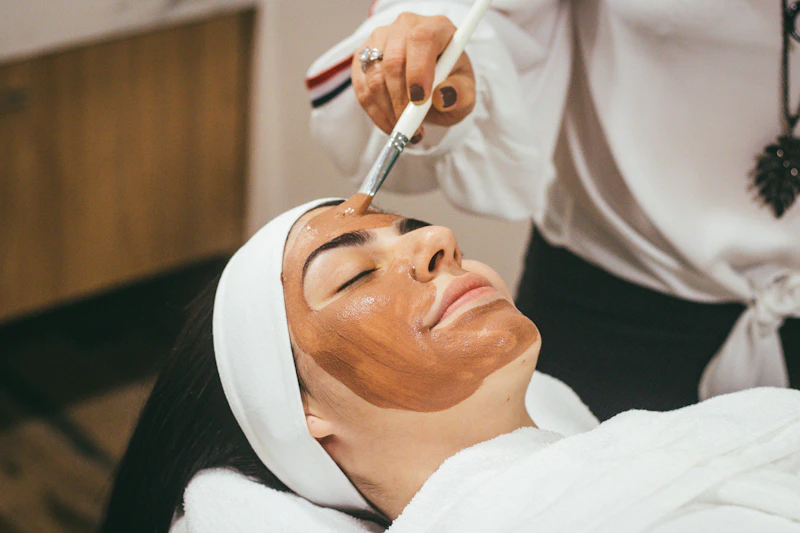
What Is Herbal Skincare in Hot and Dry Climates?
Herbal skincare is a skin routine built around plant-based ingredients like aloe vera, chamomile, green tea, and calendula instead of harsh synthetic chemicals. For hot and dry climates, herbal skincare focuses on calming heat, restoring moisture, and reinforcing your skin barrier so that it loses less water during the day. [Source: PubMed]
In regions with high temperatures and low humidity, the outer layer of your skin (the stratum corneum) can lose water quickly, which increases irritation and sensitivity. Carefully selected herbal ingredients can reduce inflammation, support repair, and provide antioxidants that help your skin cope with UV exposure and environmental stress. [Source: PubMed]
How Hot and Dry Climates Affect Your Skin
Hot and dry climates stress your skin in several ways at the same time. High temperatures increase sweat and oil production, while low humidity speeds up water loss from the skin surface, a process known as transepidermal water loss. Over time, this can lead to a weakened barrier, irritation, and flares of existing conditions such as atopic dermatitis. [Source: PubMed]
Research has shown strong links between climate factors and dry skin, confirming that low humidity and extreme temperatures affect population-level dry skin burden. In one large study of more than 48,000 adults, almost 30% were found to have dry or xerotic skin, showing that dryness is a major issue even outside extreme climates. When you add constant sun exposure and wind, a protective herbal skincare routine becomes even more important. [Source: Wiley Online Library]
Common Symptoms You May Notice
- Tight, rough, or flaky skin after washing or sun exposure. [Healthline]
- Redness or stinging sensations when you apply conventional products. [PubMed]
- Fine lines that look more visible because of dehydration, especially around the eyes and mouth. [Healthline]
- Patchy dry spots on cheeks, forehead, or hands in extremely arid regions. [Wiley Online Library]
Tip: If your skin feels tight within 10 minutes after cleansing, treat that as a signal that your routine is too stripping for a hot and dry climate. Switch to a milky herbal cleanser and add a hydrating mist immediately after washing. [TeintTeint]
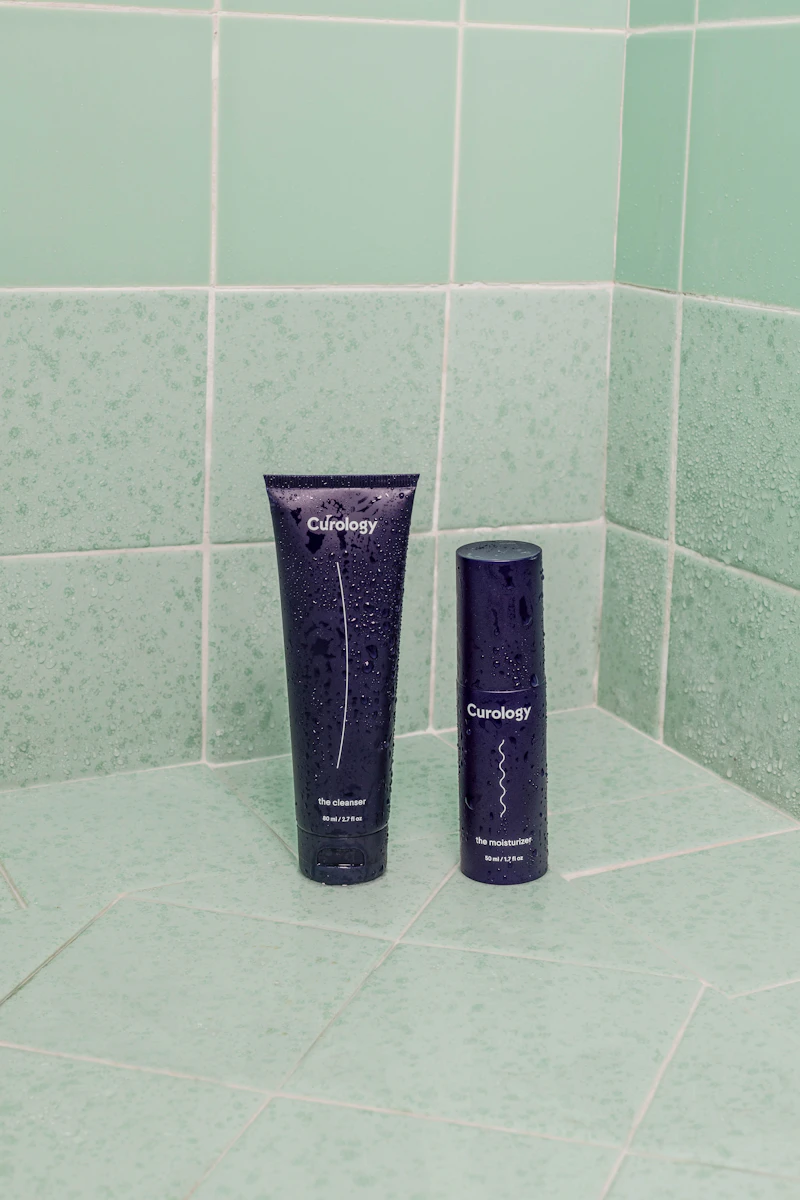
Core Herbal Skincare Routine: Step-by-Step for Hot and Dry Climates
An effective herbal skincare routine for hot and dry climates should stay simple but consistent. You want to cleanse gently, hydrate in layers, protect from the sun, and repair at night using botanical actives. Below is a practical routine you can adapt to your skin type. [DanG Lifestyle]
Morning Herbal Routine (Hot and Dry Days)
- Gentle herbal cleanser: Use a creamy or gel-based cleanser with ingredients like chamomile, calendula, or green tea to remove sweat and oil without stripping your skin. [TeintTeint]
- Cooling herbal mist: Spray an alcohol-free mist made with aloe vera, rose water, cucumber, or green tea to instantly replenish water and soothe heat. [Healthline]
- Lightweight hydrating serum: Choose a serum that combines humectants like hyaluronic acid with herbal extracts such as licorice or centella for extra calm and hydration. [TeintTeint]
- Herbal moisturizer for dry climates: Apply a lightweight cream or lotion with plant oils (jojoba, squalane, argan) and butters (shea in small amounts) to seal in moisture without feeling heavy in the heat. [DanG Lifestyle]
- Broad-spectrum sunscreen: Finish with a mineral or hybrid sunscreen of SPF 30 or higher, ideally with added herbal antioxidants like green tea or chamomile to boost protection. [Healthline]
In very dry climates, you can mist again every few hours, especially if you work outdoors or in air-conditioned spaces that further reduce humidity. Always reapply sunscreen every two hours if you are exposed to direct sun or sweating heavily. [PubMed]
Night Herbal Routine (Repair and Recovery)
- Double cleansing with herbal oils: Use a light oil or balm with sunflower, grapeseed, or jojoba oil to remove sunscreen, then follow with a gentle herbal cleanser to clean sweat and pollution. [TeintTeint]
- Hydrating toner or essence: Apply a hydrating toner rich in aloe, rose, or glycerin to prepare your skin for serums and moisturizers in a dry climate. [Healthline]
- Targeted herbal serum: If you have dark spots or redness from the sun, choose serums with licorice, niacinamide, or green tea. These ingredients help even tone and reduce inflammation. [Healthline]
- Nourishing herbal night cream: At night, you can use a slightly richer cream including ingredients like shea butter, calendula, or oat extract to repair your barrier while you sleep. [Healthline]
- Optional weekly herbal mask: Once or twice a week, use a hydrating mask with aloe vera, honey, or oat to give your skin extra moisture and calm. [TeintTeint]
Note: In hot and dry climates, avoid over-exfoliating. Limit exfoliation to once a week, and choose gentle options like lactic acid or fruit enzymes combined with soothing herbs instead of strong scrubs. [TeintTeint]

Best Herbal Ingredients for Hot and Dry Climates
Some herbs and botanicals are particularly effective at calming heat, reducing dryness, and protecting your skin in hot climates. Many natural skincare guides highlight ingredients like aloe, green tea, and chamomile as core components of a dry-skin-friendly routine. When you choose products, look for these names on your labels. [TeintTeint]
Key Herbal Ingredients and Benefits
- Aloe vera: Cooling, soothing, and hydrating; ideal for sun-exposed, dry, or slightly sunburned skin. [Healthline]
- Chamomile: Calms redness and irritation, supports sensitive or reactive skin in hot environments. [Healthline]
- Green tea extract: Provides antioxidants to fight UV-related damage and pollution in urban hot climates. [TeintTeint]
- Calendula: Helps support skin repair and barrier function after wind or sun exposure. [Healthline]
- Licorice root: Supports brightening and targets hyperpigmentation that often appears in sunny climates. [Healthline]
- Oat and oat extract: Known for soothing dry, itchy, or compromised skin. [Healthline]
- Jojoba, argan, and squalane: Lightweight plant-based lipids that mimic skin’s natural oils without clogging pores. [Healthline]
Combining these herbs with modern actives like niacinamide or hyaluronic acid can give you the best of both worlds: traditional plant wisdom and modern skincare science. This kind of hybrid formula is now common in many global “clean beauty” brands responding to consumer demand for natural yet effective products. [Himalaya Wellness]
In a hot and dry climate, the most effective herbal skincare routine is the one that protects your barrier every single day, not just after your skin starts to feel damaged. [PubMed]
Global Use Cases: How Herbal Skincare Adapts to Different Hot and Dry Environments
Hot and dry weather exists in many forms around the world: from desert regions in the Middle East and North Africa to high-altitude cities and long, dry summers in parts of Australia and North America. Your herbal skincare routine for hot and dry climates should adapt to your local lifestyle and environment, even though the core steps remain the same. [PubMed]
Desert and Semi-Arid Regions (e.g., Gulf, North Africa)
In desert environments, you face intense sun, sand, and very low humidity. You may commute between air-conditioned interiors and extreme outdoor heat. Here, your herbal skincare routine should include richer night creams and frequent use of soothing mists during the day. [PubMed]
- Use aloe and chamomile-based mists several times a day.
- Choose barrier-repair creams with shea butter, oat, and calendula at night. [Healthline]
- Wear mineral sunscreen with added green tea antioxidants outdoors. [TeintTeint]
Hot Urban Areas with Pollution
In dense cities you may face not only heat and dryness but also pollution that increases oxidative stress on your skin. Antioxidant-rich herbal extracts like green tea, rosemary, and licorice help neutralize free radicals and support a clear, even tone. [TeintTeint]
- Add an antioxidant serum with green tea and niacinamide in the morning. [Healthline]
- Double cleanse every evening to remove SPF and soil particles. [TeintTeint]
- Use a non-comedogenic herbal moisturizer to avoid congestion in humid pockets of the city. [TeintTeint]
High-Altitude and Plateau Regions
High-altitude regions combine strong UV radiation with thin, dry air. This setting can accelerate dryness and sun-related aging. Here you need reliable sun protection and slightly richer herbal moisturizers, even during the day. [PubMed]
- Use SPF 50 mineral sunscreen daily with herbal antioxidants. [TeintTeint]
- Layer a hydrating serum under a more emollient herbal day cream. [Healthline]
- Limit hot water showers, which further strip skin lipids in low humidity. [Healthline]

Table: Conventional vs Herbal Skincare in Hot and Dry Climates
If you are still deciding whether to switch to a herbal skincare routine for hot and dry climates, it helps to compare the main differences. Many consumers are moving toward natural or hybrid routines because they want gentler ingredients and more sustainable choices. [TheFJX]
| Aspect | Conventional Routine in Heat | Herbal Routine for Hot and Dry Climates |
|---|---|---|
| Cleansers | Foaming, can strip oils and worsen dryness. [Healthline] | Creamy or gel-based with soothing herbs, gentle on barrier. [TeintTeint] |
| Hydration | Often one thick cream, may feel heavy in heat. [TeintTeint] | Layered mists, serums, and light creams for comfort. [DanG Lifestyle] |
| Sun Protection | Chemical SPF, sometimes irritating for sensitive dry skin. [Healthline] | Mineral or hybrid SPF with botanical antioxidants. [TeintTeint] |
| Irritation Risk | Higher if formulas contain alcohol and strong fragrances. [PubMed] | Lower when using fragrance-free, plant-based formulas. [Healthline] |
| Sustainability | Varies; some formulas and packaging less eco-focused. [Himalaya Wellness] | Often aligned with natural, eco-conscious and Vision 2030-style goals. [TheFJX] |
Features and Benefits of an Herbal Skincare Routine for Hot and Dry Climates
- Barrier support: Herbal lipids and soothing extracts help restore your natural moisture barrier, which is often weakened by heat and low humidity. [PubMed]
- Reduced irritation: Gentle, fragrance-light formulas decrease stinging and redness common in dry, sun-stressed skin. [PubMed]
- Lightweight comfort: Layered hydration feels less heavy than thick creams, which is more comfortable in high temperatures. [DanG Lifestyle]
- Antioxidant protection: Green tea, licorice, and other botanicals help your skin cope with UV and pollution damage. [TeintTeint]
- Alignment with wellness goals: Many natural brands are now pursuing 2030 sustainability targets, which means your routine can support both your skin and the planet. [Himalaya Wellness]
Real-Life Examples and Case Mini-Studies
Across the Middle East and North Africa, many consumers are moving toward routines that combine traditional herbal ingredients with modern formulations, especially as local beauty sectors grow under strategic visions like Vision 2030. Interest in “clean beauty” and natural skincare has multiplied, with some regions reporting double-digit increases in searches for related routines and products. [TheFJX]
At the same time, global wellness brands are publicly committing to 2030 goals to improve sustainability in sourcing, packaging, and environmental impact. This means when you build a herbal skincare routine for hot and dry climates, you can intentionally choose brands that support regenerative agriculture and reduced waste, aligning personal care with larger social goals. [Himalaya Wellness]

Future Trends: Herbal Skincare, Clean Beauty, and Vision 2030
The global beauty industry is rapidly shifting toward health, wellness, and natural ingredients, and this is especially visible in hot, dry regions that are investing heavily in new beauty and wellness infrastructure as part of Vision 2030 programs. In Saudi Arabia, for example, there is strong growth in skincare and beauty tech, with a notable shift toward clean, natural formulations and premium experiences. [TheFJX]
Brands are also setting explicit sustainability goals for 2030, such as improving recyclability of packaging, reducing carbon footprints, and using regenerative herbal cultivation. For you, this means the herbal skincare routine for hot and dry climates will likely become more personalized, tech-supported, and eco-conscious over the next decade, combining AI-driven recommendations with traditional botanicals. [Himalaya Wellness]
Helpful Internal and External Links
- Internal: Natural skincare routine basics
- Internal: Choosing sunscreen for dry and sensitive skin
- Internal: Vision 2030 and the future of wellness and beauty
- External: Natural skincare routine guide (Healthline) [Healthline]
- External: Environmental humidity and skin barrier function (PubMed) [PubMed]
- External: Climate and dry skin interest (Google Trends analysis) [PubMed]
FAQs About Herbal Skincare Routine for Hot and Dry Climates
1. How often should you moisturize in a hot and dry climate?
In hot and dry climates, you should moisturize at least twice a day, morning and night, and add a light reapplication if your skin feels tight during the day. Layering a mist, serum, and moisturizer gives better long-lasting hydration than one heavy cream, especially when humidity is low. [DanG Lifestyle]
2. Can herbal skincare really protect your skin barrier?
Yes, many herbal ingredients such as aloe, oat, calendula, and plant oils support the outer barrier layer of your skin by calming inflammation and restoring lipids. Studies show that climate and humidity directly affect barrier function, so combining barrier-friendly herbs with gentle routines is a practical way to reduce dryness and irritation. [PubMed]
3. Do you still need sunscreen if you use herbal skincare?
Absolutely, sunscreen is non-negotiable in hot and dry climates, even if you follow an excellent herbal skincare routine. Ideally, choose a broad-spectrum SPF 30 or higher, and look for formulas that include herbal antioxidants like green tea or chamomile for extra defense against sun damage. [TeintTeint]
4. What is the best herbal cleanser type for hot and dry skin?
The best herbal cleanser for hot and dry skin is usually a low-foam gel or milky cleanser with soothing botanicals such as chamomile, aloe, or green tea. Harsh foaming cleansers can strip oils and make dryness worse, especially when the climate already increases water loss. [PubMed]
5. Are DIY herbal treatments safe in very hot and dry climates?
Simple DIY herbal treatments like cooled chamomile tea compresses or aloe gel can be soothing, but you should be cautious with strong essential oils or unpreserved mixtures. In high heat, improperly stored DIY products can grow bacteria, so use fresh preparations quickly and rely on well-formulated commercial herbal products for daily use. [Healthline]
6. How long does it take to see results from a herbal skincare routine for hot and dry climates?
Most people notice improvements in comfort and hydration within 1–2 weeks of consistently following a gentle herbal routine. For deeper concerns like hyperpigmentation or long-standing roughness, expect 6–12 weeks of daily care combined with strict sun protection to see visible change. [TeintTeint]
7. Is herbal skincare suitable for sensitive or eczema-prone skin in hot weather?
Herbal skincare can be suitable for sensitive or eczema-prone skin if you choose fragrance-free, alcohol-free formulas and patch test new products. Because dry weather increases flares for conditions like atopic dermatitis, it is important to prioritize barrier repair and consult a dermatologist for persistent or severe symptoms. [PubMed]
8. Does diet and hydration matter for dry skin in hot climates?
Yes, what you drink and eat influences your skin’s ability to stay hydrated and resilient in hot and dry climates. Drinking sufficient water, eating water-rich fruits and vegetables, and limiting very salty or dehydrating foods supports your herbal skincare routine from the inside out. [TeintTeint]
Optimizing Image SEO for Your Herbal Skincare Content
When you publish your herbal skincare routine for hot and dry climates, be sure to optimize your images for Google Images and other visual search engines. This helps more people discover your content visually and improves your overall SEO and GEO performance. [TeintTeint]
Tip: For every image that illustrates your herbal skincare routine for hot and dry climates, write alt text like “Herbal skincare routine for hot and dry climates using aloe and green tea” to give search engines and AI clear context while staying natural. [TeintTeint]
Conclusion: Building Your Personal Herbal Skincare Routine for Hot and Dry Climates
A well-designed herbal skincare routine for hot and dry climates combines gentle cleansing, layered hydration, targeted herbal actives, and daily sun protection. By understanding how heat and low humidity affect your skin and choosing plant-based ingredients that support your barrier, you give your skin the best chance to stay comfortable and radiant all year. [Wiley Online Library]
At the same time, you can align your daily skincare choices with bigger goals such as sustainability and Vision 2030 wellness initiatives by supporting brands that prioritize natural ingredients and responsible sourcing. Whether you live in a desert, a hot city, or a high plateau, your herbal skincare routine can become a small, meaningful part of a healthier lifestyle for you and the planet. [TheFJX]
Call to Action: Start Your Herbal Routine Today
Ready to design your own herbal skincare routine for hot and dry climates?
- Audit your current products and remove harsh, drying cleansers or toners.
- Introduce one herbal product at a time, starting with a gentle cleanser or soothing mist.
- Commit to at least four weeks of consistent use before judging results.
Start with one simple change this week—like swapping your cleanser or adding an aloe-based mist—and let your skin guide you toward a sustainable herbal routine that fits your climate and lifestyle. [Healthline]
Tags
herbal skincare routine for hot and dry climates, herbal skincare for dry skin, natural skincare in hot weather, dry climate skin routine, herbal sun care for dry climates, clean beauty, Vision 2030 skincare, sustainable herbal skincare, global dry skin routine, aloe vera routine for hot climates


0 Comments