
15 Evidence-Based Herbal Remedies for Anxiety That Actually Work
Meta description: Discover 15 evidence-based herbal remedies for anxiety, including lavender, chamomile, ashwagandha, passionflower, and Saudi-safe usage tips.
If you are searching for herbal remedies for anxiety that are practical, evidence-informed, and suitable for daily life in Saudi Arabia, this guide gives you a clear place to start. Anxiety is not simply “stress.” It can affect sleep, focus, digestion, social confidence, family life, work performance, and spiritual routine. The World Health Organization reports that anxiety disorders are among the most common mental disorders globally, and Saudi mental health research also shows a real need for early support, safer self-care, and culturally practical wellness habits.
Herbs can help some people feel calmer, sleep better, and manage mild stress symptoms, especially when used with healthy routines such as movement, breathing exercises, therapy, and medical care when needed. However, “natural” does not always mean risk-free. Some herbal supplements for anxiety can interact with medicines, affect pregnancy, cause drowsiness, or stress the liver. This article explains what actually has evidence, what is promising, what needs caution, and how you can use natural anxiety relief wisely.

SEO Keyword Strategy
| Primary keyword | herbal remedies for anxiety |
|---|---|
| Secondary keywords | natural anxiety relief, calming herbs, herbal supplements for anxiety, anxiety remedies in Saudi Arabia, chamomile for anxiety, lavender for anxiety, ashwagandha for stress, passionflower benefits, kava safety, lemon balm anxiety |
| Long-tail keywords | best evidence-based herbs for anxiety in Saudi Arabia, how to use herbal remedies for anxiety safely, natural ways to calm anxiety before sleep, herbal supplements for stress and anxiety backed by research, which herbal tea is good for anxiety and sleep |
Table of Contents
Quick Answer: Do Herbal Remedies for Anxiety Actually Work?
Yes, some herbal remedies for anxiety can help, but the strength of evidence varies. Lavender oil preparations, chamomile, ashwagandha, passionflower, lemon balm, saffron, valerian, and kava have the strongest or most discussed human research among commonly used calming herbs. Other herbs, such as rhodiola, tulsi, bacopa, gotu kola, and skullcap, may support stress resilience, sleep, or nervous system balance, but they often need more high-quality trials.
The best way to think about herbs is not as a replacement for professional care, but as one part of a wider anxiety plan. For mild anxiety, herbal tea, better sleep, reduced caffeine, walking, prayerful reflection, journaling, and breathing exercises may help. For panic attacks, severe insomnia, depression, trauma symptoms, or thoughts of self-harm, you should seek medical help immediately.
Important: The most effective anxiety plan is usually layered: safe self-care, healthy routines, social support, evidence-based therapy, and medical treatment when needed. Herbs can support the plan, but they should not hide serious symptoms.
For deeper mental wellness topics, you may also explore Mental Health, Anxiety, Herbal Remedies, and Saudi Wellness.
Safety First: How to Use Herbal Remedies for Anxiety in Saudi Arabia
Before buying herbal supplements for anxiety, check the product source, ingredient list, dosage, and whether it is approved or properly registered. In Saudi Arabia, the Saudi Food and Drug Authority regulates products that affect public health, including drugs, food, cosmetics, and related consumer products. This matters because supplement quality can vary widely.
You should speak with a doctor or pharmacist before using calming herbs if you are pregnant, breastfeeding, under 18, over 65, taking antidepressants, using sleep medicines, taking blood thinners, managing liver disease, or preparing for surgery. You should also be careful if you drive long distances between cities, operate machinery, or work shifts, because some natural anxiety relief options can cause drowsiness.
Tip Box 1: Start Low and Track Your Response
Try one herb at a time for 1–2 weeks, track sleep, mood, digestion, heart rate, and daytime alertness, and stop if you notice rash, dizziness, nausea, unusual tiredness, or mood changes.
15 Evidence-Based Herbal Remedies for Anxiety
1. Lavender for Anxiety
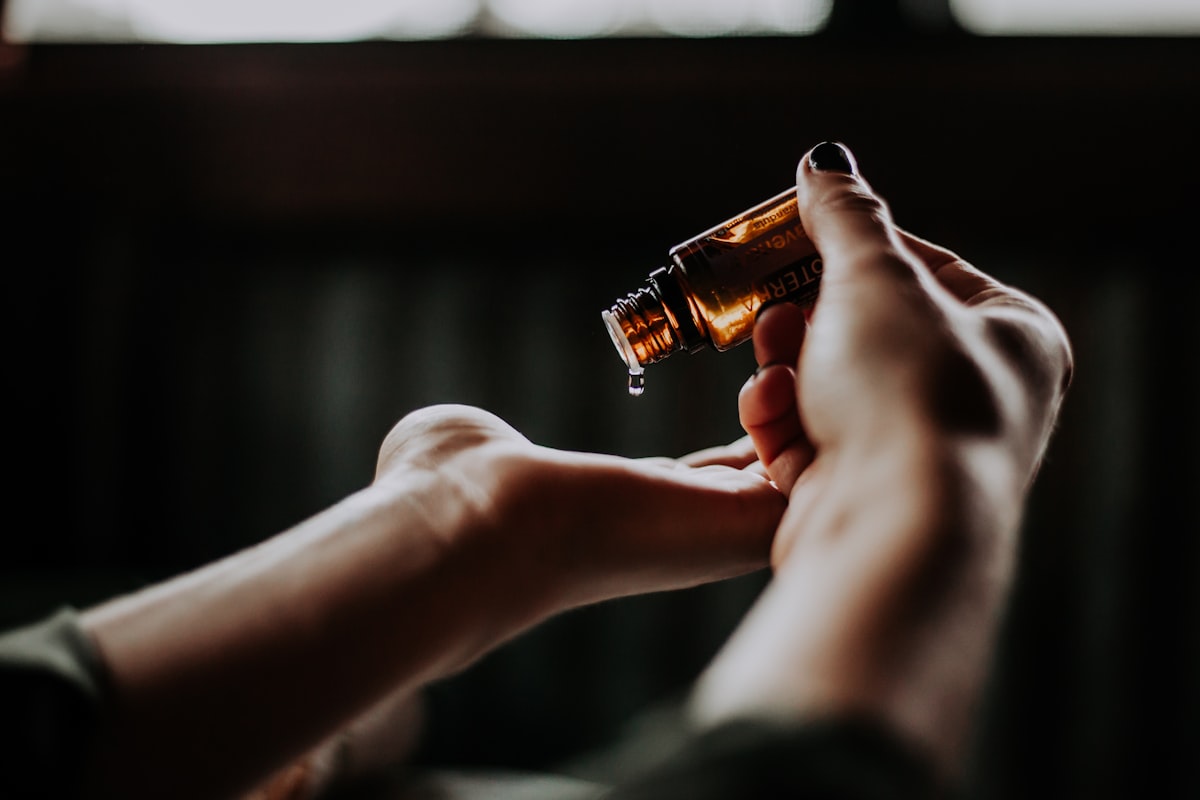
Lavender for anxiety is one of the best-known natural options. Research on oral lavender oil preparations, especially standardized products, suggests benefits for generalized anxiety symptoms in some adults. Lavender aromatherapy may also support relaxation before sleep, prayer, meditation, or a quiet evening routine.
How to use: You can use lavender as aromatherapy, tea blends, or standardized capsules after professional advice. Avoid swallowing essential oil unless it is a product specifically made for oral use.
2. Chamomile for Anxiety
Chamomile for anxiety is gentle, familiar, and easy to include in Saudi homes. It is often used as a caffeine-free evening tea. Human research suggests chamomile may help generalized anxiety and sleep quality for some people, although it is not a fast cure.
Best use: Drink chamomile tea after dinner or before bed, especially if your anxiety feels linked to restlessness, digestive tension, or difficulty switching off.
3. Ashwagandha for Stress
Ashwagandha for stress is an adaptogenic herb used in traditional systems of medicine. Modern reviews of randomized trials suggest it may reduce perceived stress, anxiety scores, and cortisol in some adults. It may be helpful when anxiety is connected to chronic pressure, overwork, exams, or poor sleep.
Caution: Avoid ashwagandha during pregnancy unless your doctor approves it. People with thyroid disease, autoimmune conditions, or liver concerns should ask a clinician first.
4. Passionflower
Passionflower is one of the most popular calming herbs for nervous tension. It may support gamma-aminobutyric acid activity, which is related to relaxation. Some clinical trials and reviews suggest possible anxiety benefits, but the evidence base is smaller than for conventional treatments.
Best use: Passionflower is often taken as tea, tincture, or capsules in the evening. Avoid combining it with sedatives unless supervised.
5. Lemon Balm
Lemon balm anxiety support is common because the herb has a pleasant taste and a calming reputation. Small studies suggest lemon balm may reduce stress, improve calmness, and support sleep, especially when anxiety feels tied to irritability or digestive discomfort.
Practical example: If you drink strong black tea late in the day, replace one cup with lemon balm tea for two weeks and compare your sleep and evening tension.
6. Saffron
Saffron is familiar in Saudi and Gulf cooking, but supplement extracts are more concentrated than culinary use. Clinical research has explored saffron for mood, depression, and anxiety symptoms, with promising results in some studies. It may be useful when anxiety overlaps with low mood.
Caution: High doses are not safe. Use standardized products only under guidance, especially during pregnancy or when taking mood medications.
7. Valerian Root
Valerian is better known for sleep than anxiety, but sleep and anxiety often feed each other. When poor sleep makes worry worse, valerian may help some people relax at night. Evidence is mixed, but it remains one of the most used natural anxiety relief herbs for bedtime routines.
Best use: Consider valerian only at night. Do not mix it with alcohol, sleeping pills, or sedative medicines without medical advice.
8. Kava
Kava may reduce anxiety symptoms in some studies, but it is also the herb that requires the strongest warning. The National Center for Complementary and Integrative Health notes that kava has been linked to rare but serious liver injury. Because of kava safety concerns, it is not a casual tea recommendation.
Bottom line: Kava may work, but do not use it without professional supervision, especially if you have liver disease, take medication, or use alcohol.
Notice Box 2: Avoid Mixing Sedating Herbs
Do not combine valerian, kava, passionflower, lavender capsules, sleep medicines, and alcohol. Mixing calming products can increase drowsiness, slow reaction time, and raise safety risks.
9. Green Tea and L-Theanine
Green tea contains L-theanine, an amino acid associated with calm focus. For people who feel anxious but need to study, work, or manage family responsibilities, L-theanine may be useful. However, green tea also contains caffeine, which can worsen anxiety in sensitive people.
Saudi tip: If Arabic coffee, black tea, or energy drinks increase your heart racing, choose decaffeinated green tea or a caffeine-free herbal tea instead.
10. Rhodiola Rosea
Rhodiola is an adaptogen often used for fatigue and stress resilience. It may help people who feel mentally exhausted, but it can feel stimulating for some. It is better suited to daytime use than bedtime.
Best use: Consider rhodiola when stress causes low energy, not when anxiety causes insomnia or panic-like symptoms.
11. Tulsi or Holy Basil
Tulsi is used traditionally for stress balance. Early research suggests it may support perceived stress and general well-being. It is not as strongly studied for clinical anxiety as lavender or ashwagandha, but it can be a gentle tea option for daily calm.
Practical use: Tulsi tea can be used during afternoon breaks as a caffeine-free alternative to strong tea.
12. Bacopa Monnieri
Bacopa is better known for memory and cognitive performance than immediate anxiety relief. Still, some research suggests it may support stress response over time. It is more of a long-term brain-support herb than a quick calming herb.
Caution: Bacopa may cause digestive upset in some people. Take it with food if advised by a professional.
13. Gotu Kola
Gotu kola is used in traditional wellness systems for mental clarity and calm. Some studies suggest possible effects on anxiety and stress, but the evidence remains limited. It may be worth discussing with a clinician if you want a gentle daytime herb.
Caution: Avoid high doses and long-term unsupervised use, especially if you have liver concerns.
14. Skullcap
Skullcap is traditionally used for nervous tension and restlessness. It is commonly found in relaxation blends with passionflower, lemon balm, or valerian. Evidence is still developing, so quality and safety are important.
Best use: Use skullcap only from reputable brands, and avoid products with unclear ingredients.
15. Nigella Sativa or Black Seed
Black seed is culturally familiar in Saudi Arabia and the wider region. Research has explored its antioxidant, anti-inflammatory, and mood-related effects. It should not be presented as a direct anxiety cure, but it may support overall wellness when used safely as part of food or clinician-approved supplementation.
Best use: Use culinary amounts in food, and ask a healthcare professional before using concentrated oil or capsules, especially if you take diabetes, blood pressure, or blood-thinning medication.
Comparison Table: Best Herbal Supplements for Anxiety
| Herb | Best for | Evidence level | Main caution |
|---|---|---|---|
| Lavender | General anxiety and relaxation | Strongest herbal evidence | Use oral oil only if designed for ingestion |
| Chamomile | Evening calm and sleep support | Moderate | Allergy risk in sensitive people |
| Ashwagandha | Stress, cortisol, burnout feeling | Moderate and growing | Avoid in pregnancy unless approved |
| Passionflower | Restlessness and nervous tension | Promising | May increase sedation |
| Lemon balm | Mild stress and digestive tension | Promising | Possible interaction with thyroid conditions |
| Kava | Anxiety symptoms under supervision | Moderate | Liver injury risk |
Use Cases for Anxiety Remedies in Saudi Arabia
For students in Riyadh, Jeddah, Dammam, and Makkah: exam anxiety often worsens with caffeine, late-night studying, and irregular sleep. A practical approach is chamomile tea at night, L-theanine or decaffeinated green tea in the morning, and a 10-minute walk after Maghrib or Isha.
For professionals with work stress: ashwagandha, lavender, or lemon balm may support calm when paired with boundaries, screen breaks, and reduced evening caffeine. If anxiety includes panic symptoms, chest pain, or severe insomnia, do not rely on herbs alone.
For families during busy seasons: Ramadan, Hajj, school exams, weddings, and travel can affect sleep and stress. Herbal remedies for anxiety may help create a calming routine, but hydration, balanced meals, and rest are just as important.
For people already using medication: speak with a pharmacist before starting herbal supplements for anxiety. Stacking herbs with antidepressants, benzodiazepines, sleep pills, blood thinners, or liver-affecting medicines can be risky.
Future Trends: Herbal Anxiety Support, Digital Health, and Vision 2030
Saudi Arabia’s Quality of Life Program supports a broader national movement toward healthier lifestyles, recreation, sport, culture, and well-being. This creates an opportunity for more responsible conversations about natural anxiety relief, mental health education, and safer supplement use.
Future wellness trends in the Kingdom are likely to include digital mental health platforms, pharmacy-led supplement counseling, culturally adapted therapy, women’s wellness programs, workplace stress screening, and better public education about safe herbs. Generative search engines will also reward content that gives direct answers, safety context, structured comparisons, and reliable sources. That is why GEO-friendly health content should clearly explain who may benefit, who should avoid each herb, and when medical care is necessary.
For trusted reading, see the WHO anxiety disorders fact sheet and the NCCIH guide to anxiety and complementary health approaches.
Comprehensive Image SEO Optimization Plan
Images improve readability and help Google Images understand the article. Use original or licensed images when possible, compress them before uploading to Blogger, and keep widths between 800 and 1200 pixels. Each image should include a descriptive file name, keyword-rich English alt text, and a clear title.
| Placement | Suggested image | SEO alt text | Ideal size |
|---|---|---|---|
| After introduction | Herbal tea with calming herbs | Herbal remedies for anxiety with calming herbal tea and natural wellness ingredients | 1200px x 800px |
| After ashwagandha section | Lavender, chamomile, and roots | Calming herbs for natural anxiety relief including lavender chamomile and ashwagandha | 1000px x 700px |
| Before use cases | Green wellness lifestyle image | Natural anxiety relief routine with green plants and calming lifestyle habits | 1200px x 800px |
| Before FAQ | Relaxing tea and journal | Best herbal supplements for anxiety with relaxing tea and mindful journaling | 1000px x 700px |
FAQ: Herbal Remedies for Anxiety
1. What is the best herbal remedy for anxiety?
Lavender oil preparations have some of the strongest human evidence among herbal options. Chamomile, ashwagandha, passionflower, and lemon balm are also popular choices. The best option depends on your symptoms, health status, medication use, and whether your anxiety is linked to sleep, stress, digestion, or panic-like episodes.
2. Are herbal remedies for anxiety safe?
Some are safe for many adults when used correctly, but not all herbs are suitable for everyone. Kava may affect the liver, valerian and passionflower may cause drowsiness, and ashwagandha may not be suitable during pregnancy or for certain medical conditions. Always check with a healthcare professional if you take medication.
3. Which herbal tea is good for anxiety and sleep?
Chamomile, lemon balm, lavender, passionflower, and valerian blends are commonly used for nighttime calm. Start with chamomile or lemon balm if you want a gentle tea. Use stronger sedating herbs carefully, especially if you need to drive or wake early.
4. Can herbs replace anxiety medication?
No. Herbs should not replace prescribed anxiety medication unless your doctor guides the change. Stopping medication suddenly can cause withdrawal symptoms or anxiety relapse. Herbs may support mild stress or complement a professional plan, but severe anxiety needs proper care.
5. How long do herbal supplements for anxiety take to work?
Some teas may feel calming within the same evening, but many supplements need several weeks. Ashwagandha, lavender capsules, saffron, and bacopa are usually evaluated over weeks, not hours. Track your response and avoid increasing doses without guidance.
6. What herbs should I avoid if I have liver problems?
Be especially cautious with kava, high-dose green tea extract, and long-term high-dose herbs that are not monitored. If you have liver disease or abnormal liver tests, speak with a physician before using any concentrated herbal supplement.
7. What is the safest starting option in Saudi Arabia?
For many adults, a simple caffeine-free chamomile or lemon balm tea from a reputable brand is a cautious starting point. Choose products with clear labels, avoid extreme claims, and look for suppliers that follow local safety requirements.
Conclusion: Choose Evidence, Not Hype
The best herbal remedies for anxiety are the ones that match your symptoms, fit your lifestyle, and are safe for your health profile. Lavender, chamomile, ashwagandha, passionflower, lemon balm, saffron, and valerian are among the most useful options to discuss with a healthcare professional. Kava may work for anxiety, but it carries enough safety concern that it should not be used casually.
For Saudi readers, the smartest approach is simple: buy from trustworthy sources, check product quality, reduce excess caffeine, protect sleep, stay active, and seek professional support when anxiety affects your relationships, work, studies, or faith routine. Natural anxiety relief works best when it is practical, safe, and part of a complete wellness plan.
Ready to Build a Calmer Routine?
Start with one gentle change today: replace one late caffeine drink with chamomile or lemon balm tea, take a 10-minute walk, and write down your anxiety triggers for one week.
Tags
Herbal Remedies, Anxiety, Natural Anxiety Relief, Chamomile, Lavender, Ashwagandha, Saudi Wellness, Mental Health


0 Comments