
The Truth About Detox Teas: What Works and What Is Marketing
Meta Description: Discover the truth about detox teas, weight loss tea claims, side effects, and safer wellness choices in Saudi Arabia. Learn what works, what is marketing, and how to choose herbal tea wisely.
Detox teas are everywhere: on social media, in online stores, at wellness shops, and sometimes even in casual conversations about weight loss. Many products promise a flatter stomach, faster metabolism, natural detox, less bloating, and quick results before a wedding, vacation, Ramadan gathering, or summer event. But the truth about detox teas is more practical than most marketing suggests. Your body already has a powerful detox system: the liver, kidneys, digestive tract, lungs, skin, and lymphatic system work every day to process waste and maintain balance.
This guide explains what detox teas can and cannot do, especially for readers in Saudi Arabia who face hot weather, busy routines, online supplement advertising, and rising interest in healthy weight management. You will learn which ingredients may support comfort, which claims are exaggerated, what side effects to watch for, and how to make safer choices. The goal is not to attack herbal tea. A warm cup of green tea, peppermint, ginger, or chamomile can be part of a healthy lifestyle. The key is knowing the difference between evidence-based benefits and marketing hype.
SEO Keyword Strategy for This Guide
Primary keyword: detox teas
Secondary keywords: weight loss tea, herbal slimming tea, detox tea side effects, green tea benefits, natural detox, laxative tea, liver detox, metabolism support, Saudi Arabia wellness, healthy weight management.
Long-tail keywords: do detox teas really work for weight loss, are detox teas safe in Saudi Arabia, best alternatives to detox teas for bloating, detox tea side effects and dehydration, how to choose a safe herbal tea in Saudi Arabia.
Table of Contents

Suggested placement: Hero image after the introduction. Ideal size: 1200px wide. Description: A calm green tea image that supports the topic of detox teas, herbal tea, and healthy weight management.
What Are Detox Teas?
Detox teas are tea blends marketed as products that help your body remove toxins, lose water weight, reduce bloating, or support a slimmer appearance. They may include green tea, oolong tea, senna, dandelion, ginger, peppermint, licorice root, fennel, turmeric, or other herbs. Some are simple herbal drinks. Others are closer to dietary supplements because they contain active ingredients that can affect digestion, urination, bowel movement, or medication absorption.
The problem is not tea itself. The problem is the word detox. In medical terms, detoxification usually refers to specific treatment for poisoning, drug withdrawal, or heavy metal exposure. Most commercial detox teas use the word in a looser marketing sense. They suggest that your body is overloaded with vague toxins and that a tea can fix the problem quickly. According to the National Center for Complementary and Integrative Health, many detox and cleanse programs are promoted for toxin removal and weight loss, but strong evidence for these claims is limited.
A better way to understand detox teas is this: some blends may help you drink more fluids, replace sugary drinks, feel temporarily less bloated, or create a calming daily routine. But detox teas do not melt fat, clean the liver, or replace balanced nutrition, sleep, movement, and medical care.
The honest answer: detox teas may support hydration and comfort, but they do not perform the body’s detox work. Your liver and kidneys already do that job every day.
How Detox Tea Marketing Works
Detox tea marketing often uses emotional triggers. It speaks to frustration with bloating, weight gain, low energy, or slow progress. It may use before-and-after photos, influencer reviews, discount codes, and phrases such as “natural cleanse,” “flat tummy,” “burn fat,” “remove toxins,” and “reset your body.” These claims sound simple and attractive, especially when you want fast results.
However, quick changes on the scale after using detox teas are usually not fat loss. They are often water loss, reduced food volume, increased bowel movement, or temporary digestive changes. If a product contains a laxative tea ingredient such as senna, you may lose stool and fluid, not body fat. When you return to normal eating and hydration, the weight often comes back.
Marketing also hides the difference between feeling lighter and being healthier. Feeling less bloated after a herbal drink may be real, but it does not prove that toxins were removed. It may simply mean you drank warm fluid, avoided a heavy meal, reduced salt, or had a bowel movement.
Tip Box 1: Read the Promise Carefully
If a detox tea promises rapid fat loss, guaranteed toxin removal, or medical-level results without lifestyle changes, treat it as marketing. A credible product explains ingredients, serving size, warnings, and realistic benefits.
What Works: The Real Benefits of Detox Teas
Some parts of detox teas can be useful when used wisely. A plain tea routine may help you replace high-calorie drinks, especially sweetened coffee beverages, soft drinks, and dessert-style juices. In Saudi Arabia, where social drinks and sweetened beverages can be common in gatherings, this simple change may reduce daily calories without feeling extreme.
Green tea benefits are often discussed because green tea contains caffeine and catechins, including EGCG. These compounds may slightly support metabolism, but the effect is modest. A cup of green tea will not cancel a high-calorie diet. Still, unsweetened green tea can be a smart choice when it replaces sugary drinks.
Peppermint tea may support digestive comfort for some people. Ginger tea may feel soothing after a heavy meal. Chamomile tea may support relaxation as part of an evening routine. These are reasonable wellness uses. They become misleading only when brands turn them into dramatic fat-burning or liver detox claims.
Features and Benefits of a Sensible Tea Routine
- Hydration support: Warm tea can help you increase fluid intake, especially when you dislike plain water.
- Lower calorie swaps: Unsweetened herbal tea can replace sugary drinks and support healthy weight management.
- Digestive comfort: Peppermint, ginger, and fennel may reduce mild discomfort for some people.
- Routine building: A daily tea habit can remind you to pause, relax, and make intentional food choices.
- Antioxidant intake: Green tea and some herbal teas provide plant compounds that can complement a balanced diet.
The best detox teas are not magical. They are simple, transparent, low in sugar, free from risky stimulants, and used as part of a broader lifestyle plan. Think of tea as a supportive habit, not a shortcut.
Common Ingredients in Detox Teas: Helpful, Neutral, or Risky?
Ingredients matter more than the product name. Two detox teas may look similar on the shelf but act very differently in the body. One may be a mild peppermint and green tea blend. Another may contain stimulant laxatives, strong diuretics, or undisclosed ingredients. This is why reading labels is essential.
| Ingredient | Common Claim | Reality | Caution |
|---|---|---|---|
| Green tea | Metabolism support | May slightly support energy use when combined with healthy habits. | Contains caffeine; avoid excess if sensitive. |
| Senna | Cleansing and flat stomach | Works as a stimulant laxative, not a fat-loss ingredient. | May cause cramps, diarrhea, dehydration, and dependence if misused. |
| Dandelion | Water weight reduction | May have a mild diuretic effect for some people. | Use caution with kidney issues or diuretic medication. |
| Ginger | Digestion and comfort | Can be soothing after meals and may support comfort. | High amounts may bother sensitive stomachs. |
| Peppermint | Bloating relief | May help mild digestive discomfort for some users. | May worsen reflux in some people. |
For safer Saudi Arabia wellness choices, avoid any herbal slimming tea that hides ingredient amounts, uses extreme claims, or tells you to skip meals. Also be cautious with imported products sold only through social media. The Saudi Food and Drug Authority regulates food, drugs, medical devices, cosmetics, pesticides, and related products to protect public health. When possible, choose products with clear registration, Arabic and English labeling, and transparent manufacturer information.

Suggested placement: Ingredient section. Ideal size: 1000–1200px wide. Description: Herbal tea ingredients that help readers understand what is inside detox teas.
Detox Tea Side Effects You Should Not Ignore
Detox tea side effects depend on ingredients, dose, frequency, health status, and medication use. The most common concerns involve laxatives, diuretics, caffeine, and hidden pharmaceutical ingredients in some weight loss products.
Laxative tea can cause diarrhea, stomach cramps, dehydration, and electrolyte imbalance. This matters even more in Saudi Arabia because hot weather can increase fluid loss. If you use detox teas before a long day outside, during exercise, or while fasting, dehydration risk may become more serious.
Electrolytes such as sodium, potassium, and magnesium help regulate fluid balance, muscles, and heart rhythm. Severe diarrhea or excessive urination can disturb this balance. The Cleveland Clinic explains that electrolyte imbalance may be linked to problems involving the heart, liver, or kidneys, and symptoms should not be ignored.
Notice Box 2: Stop and Seek Advice
Stop using detox teas and speak with a healthcare professional if you experience severe diarrhea, dizziness, heart palpitations, fainting, strong abdominal pain, blood in stool, unusual weakness, or symptoms of dehydration.
Some weight loss products have been found to contain undeclared drugs or chemicals. The U.S. Food and Drug Administration warns that contaminated weight loss products are sometimes marketed as dietary supplements, foods, or natural treatments and can pose serious health risks. This is relevant because online shopping makes international products easy to access.
Who Should Be Extra Careful?
- Pregnant or breastfeeding women.
- People with kidney, liver, heart, digestive, or blood pressure conditions.
- People taking diabetes medication, blood thinners, diuretics, antidepressants, or heart medication.
- Teenagers and young adults influenced by extreme social media weight loss trends.
- Anyone fasting, training intensely, or working outdoors in hot weather.
Natural does not always mean safe. A plant compound can still affect your body strongly. If a product changes bowel movement, urination, sleep, appetite, or heart rate, it is doing more than simply “cleansing.”
Detox Teas in Saudi Arabia: Practical Use Cases
Saudi Arabia has a fast-growing wellness culture. More people are interested in gyms, walking tracks, healthy cafés, calorie-aware menus, and better daily habits. At the same time, obesity and overweight remain important public health issues. The Saudi Ministry of Health reports that adult obesity in the Kingdom reached 20.2% and overweight reached 38.2% based on National Health Information Survey data from 2019.
This creates a market where weight loss tea and herbal slimming tea can become popular quickly. But the right solution depends on the real problem. Detox teas are not the answer for every goal.
Use Case 1: Bloating After Heavy Meals
If you feel bloated after a large meal, a peppermint or ginger tea may help you feel more comfortable. However, the better long-term solution is slower eating, smaller portions, adequate fiber, less excess salt, and regular movement. A detox tea with senna is not necessary for normal post-meal fullness.
Use Case 2: Weight Management Before an Event
If you want to look and feel better before a wedding, graduation, or Eid gathering, detox teas may seem attractive. But real fat loss needs time. A safer short-term plan is to reduce sugary drinks, manage sodium, sleep well, walk daily, and choose balanced meals. This can reduce bloating without risky laxative use.
Use Case 3: Ramadan and Fasting
During Ramadan, hydration windows are limited. Using detox teas with laxatives or diuretics between iftar and suhoor may increase dehydration risk. A simple caffeine-free herbal tea can be fine for many people, but strong cleansing blends are not ideal during fasting periods.
Use Case 4: Replacing Sugary Drinks
This is one of the best uses. Unsweetened tea can replace soda, sweet iced tea, or high-calorie coffee drinks. If you enjoy the taste, tea can support healthy weight management because it helps reduce liquid calories without feeling like a strict diet.
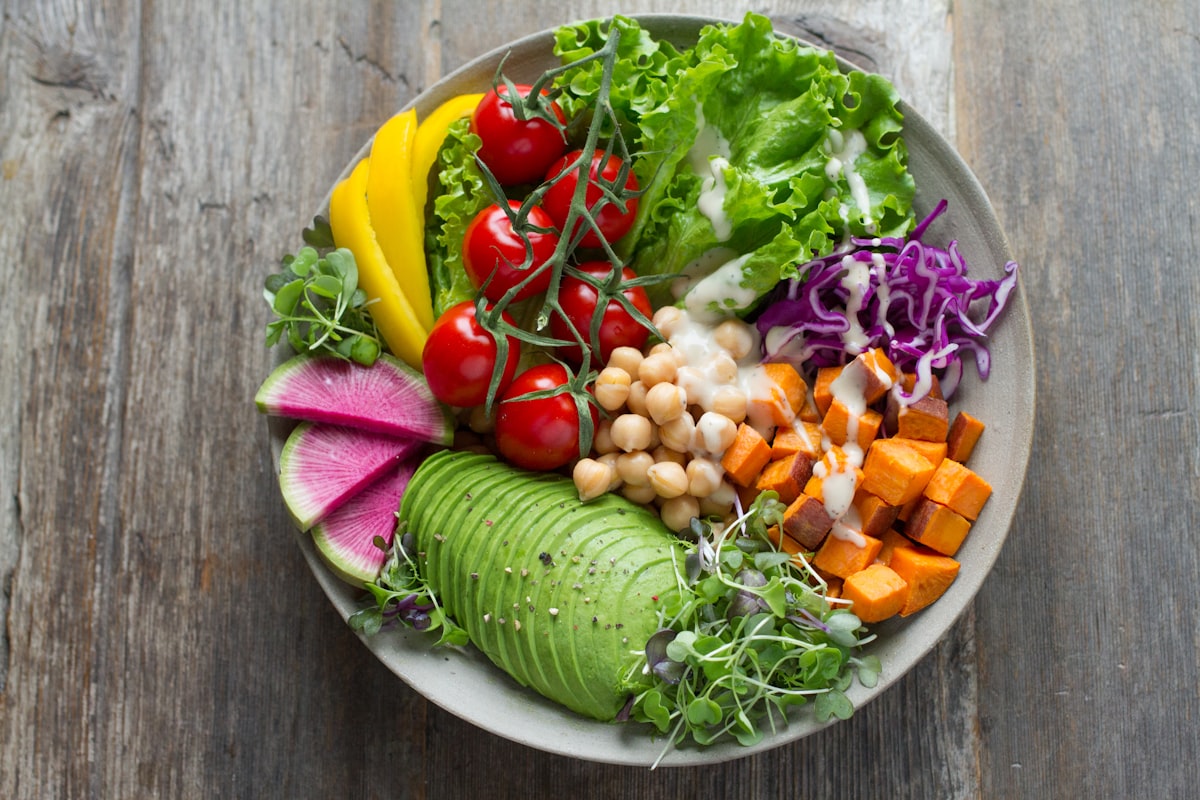
Suggested placement: Saudi Arabia use cases section. Ideal size: 1000–1200px wide. Description: A healthy food image that supports better alternatives to detox teas and herbal slimming tea.
Comparison: Detox Teas vs Evidence-Based Wellness Habits
| Approach | Expected Result | Evidence Level | Best Use |
|---|---|---|---|
| Detox teas with laxatives | Temporary scale drop from fluid and stool loss. | Weak for fat loss. | Not recommended for routine weight management. |
| Unsweetened green tea | Small metabolism support and lower calorie drink swap. | Moderate for general wellness, modest for weight. | Daily beverage replacement. |
| Balanced meals | Better energy, appetite control, and long-term weight progress. | Strong. | Core foundation for health. |
| Walking and resistance training | Improved fitness, muscle, insulin sensitivity, and body composition. | Strong. | Long-term weight and metabolic health. |
| Sleep and stress management | Better hunger regulation and recovery. | Strong. | Sustainable lifestyle change. |
For more practical wellness content, explore related internal resources such as Nutrition Guides, Weight Management Tips, Healthy Lifestyle Articles, and Saudi Wellness Updates.
Image SEO Plan for Google Images
Image optimization helps readers and search engines understand the content. For this article, images should be compressed, visually clean, and relevant to detox teas, healthy weight management, and herbal tea ingredients.
| Image Placement | SEO Alt Text | Image Title | Ideal Size |
|---|---|---|---|
| After introduction | Detox teas and green tea benefits in a healthy wellness routine | Detox Teas and Green Tea Benefits | 1200px wide |
| Ingredient section | Herbal tea ingredients used in detox teas including ginger peppermint and green tea | Common Herbal Tea Ingredients in Detox Teas | 1000–1200px wide |
| Saudi Arabia use cases | Healthy weight management alternatives to detox teas in Saudi Arabia | Healthy Alternatives to Detox Teas | 1000–1200px wide |
| CTA section | Saudi Arabia wellness routine with herbal tea hydration and balanced nutrition | Saudi Wellness Routine with Herbal Tea | 800–1200px wide |
Practical Case Study: Choosing Better Than a Detox Tea Challenge
Imagine a 29-year-old office worker in Riyadh who wants to lose weight before a family event. She sees a 14-day detox tea challenge online. The advertisement promises a flat stomach, toxin removal, and fast weight loss. The product contains green tea, senna, and dandelion, but the label does not clearly explain how much of each ingredient is included.
During the first three days, she notices more bowel movement and a lower number on the scale. But she also feels thirsty, tired, and slightly dizzy after walking outside. This is not proof of fat loss. It is more likely fluid loss and digestive stimulation.
A safer plan would be simple: replace sweetened drinks with unsweetened tea or water, eat protein at each meal, add vegetables, walk 30 minutes most days, reduce late-night snacks, and sleep consistently. In two weeks, she may still feel lighter and less bloated, but without relying on a laxative tea.
Future Trends: Detox Teas, Smart Wellness, and Vision 2030
Saudi Arabia’s wellness market is moving toward more informed choices. Consumers are becoming more aware of ingredient labels, supplement safety, fitness tracking, preventive health, and Vision 2030
The future of detox teas will likely become more transparent. Consumers will expect clearer labels, realistic claims, third-party testing, and safer formulations. Brands that rely on vague “toxin” language may lose trust. Brands that focus on hydration, taste, digestive comfort, caffeine awareness, and honest education may perform better.
Another trend is personalization. Instead of following a generic detox tea challenge, people will use health apps, wearable devices, lab tests, and dietitian guidance to understand their real needs. A person with low sleep, high stress, and irregular meals does not need a harsh cleanse. They need a realistic plan.
Tip Box 3: Choose the Boring Option First
The most effective wellness habits often sound boring: drink water, eat balanced meals, walk, sleep, and manage stress. Detox teas can be enjoyable, but they should not replace the basics.
How to Choose a Safe Herbal Tea in Saudi Arabia
When you buy detox teas or herbal tea products, use a simple checklist. This is especially important for products advertised through social media, influencer pages, or unofficial sellers.
- Check the full ingredient list. Avoid products that hide ingredients behind “proprietary blend” without clear amounts.
- Avoid extreme claims. Be cautious with phrases like “guaranteed fat burn,” “medical detox,” or “lose 5 kg in one week.”
- Look for local compliance. Prefer products with clear importer, manufacturer, and labeling details suitable for Saudi Arabia.
- Watch for laxatives. Senna and similar ingredients should not be used casually for weight loss.
- Consider your health status. Ask a doctor or pharmacist if you take medication or have a chronic condition.
- Use tea as a beverage. Treat it as a supportive drink, not a treatment.
You can also visit the Saudi Ministry of Health obesity awareness page for public health information, and review more wellness posts through our contact page if you want to suggest future topics.
FAQ About Detox Teas
Do detox teas really work for weight loss?
Detox teas do not directly burn body fat in a meaningful way. Some may cause short-term weight changes because of water loss, bowel movement, or reduced food intake. Real fat loss requires a consistent calorie deficit, balanced nutrition, physical activity, and sleep. Unsweetened tea can support weight management only when it replaces higher-calorie drinks or helps you build better habits.
Are detox teas safe in Saudi Arabia?
Some simple herbal teas are safe for many healthy adults when used moderately. However, detox teas with laxatives, diuretics, high caffeine, or unclear ingredients can be risky. In Saudi Arabia, heat, fasting periods, and outdoor activity may increase dehydration risk. Choose products with clear labels and consult a healthcare professional if you take medication or have a health condition.
Can detox teas clean the liver?
No commercial detox tea has proven that it can clean the liver in the way advertisements often suggest. Your liver already processes substances naturally. A healthier way to support liver health is to maintain a balanced diet, avoid excess calories, limit harmful substances, stay active, and manage metabolic risk factors.
What are the most common detox tea side effects?
Common detox tea side effects include diarrhea, cramps, nausea, dehydration, frequent urination, sleep problems from caffeine, and electrolyte imbalance. Side effects are more likely when products contain senna, strong diuretics, stimulants, or undisclosed ingredients. Stop use if symptoms are severe or unusual.
Is green tea better than detox tea?
Plain green tea is usually a better choice than aggressive detox teas because it is simpler, widely consumed, and easier to fit into a healthy routine. Green tea benefits may include antioxidant intake and modest metabolism support, but it still works best as part of a balanced lifestyle.
What is the best alternative to detox teas for bloating?
The best alternatives include drinking water, reducing excess salt, eating slowly, walking after meals, increasing fiber gradually, and identifying foods that trigger discomfort. Peppermint or ginger tea may help some people feel more comfortable, but repeated bloating should be discussed with a healthcare professional.
Can I drink detox teas during Ramadan?
It is better to avoid detox teas with laxatives or diuretics during Ramadan because hydration time is limited. If you enjoy tea, choose a gentle caffeine-free herbal tea after iftar and focus on water, balanced meals, and electrolytes from nutritious foods. If you have a medical condition, ask your doctor first.
Conclusion: What Is the Real Truth About Detox Teas?
The truth about detox teas is simple: they are often better at marketing than detoxing. Some herbal teas can be enjoyable and useful. They may support hydration, comfort, relaxation, and lower-calorie beverage choices. But they do not remove toxins in a special way, melt fat, or replace the liver and kidneys.
If a detox tea helps you drink less soda and build a calming routine, it can have a place in your lifestyle. If it causes diarrhea, dehydration, anxiety, or unrealistic expectations, it is not worth it. For readers in Saudi Arabia, the safest approach is to choose transparent products, avoid extreme claims, respect the climate and fasting routines, and focus on habits that can last beyond a 7-day or 14-day challenge.
Use detox teas wisely, but do not depend on them. Your strongest “detox plan” is still balanced food, enough water, daily movement, quality sleep, and medical guidance when needed.
Ready to Build a Healthier Routine?
Start with one simple change today: replace one sugary drink with unsweetened tea or water, take a 20-minute walk, and read the ingredient label before buying any detox tea.

Suggested placement: CTA section. Ideal size: 800–1200px wide. Description: A positive wellness image that supports hydration, balanced nutrition, and sustainable habits.
Tags
detox teas, weight loss tea, herbal slimming tea, detox tea side effects, green tea benefits, natural detox, Saudi Arabia wellness, healthy weight management, liver detox, metabolism support, herbal tea, nutrition tips, wellness marketing, bloating relief


0 Comments