
Best Herbs for Sleep: 12 Natural Remedies for Insomnia That Actually Work
Updated: May 2026 • Reading Time: 14 Minutes • Evidence-Based Guide
If you have ever tossed and turned at 2 a.m., staring at the ceiling and wondering whether restful sleep will ever come, you are not alone. Insomnia affects approximately 30% of adults worldwide, according to the World Sleep Society, and in Saudi Arabia, studies suggest that nearly 1 in 3 adults experiences poor sleep quality regularly. While prescription sleep medications exist, many people are turning to natural remedies for insomnia that offer gentler support without the risk of dependency. The best herbs for sleep have been used for centuries across cultures—from ancient Greek physicians prescribing chamomile to traditional Middle Eastern healers recommending lavender infusions. In this comprehensive guide, you will discover 12 herbal sleep aids backed by both tradition and modern science, learn how to use them safely, and understand why they are becoming essential components of holistic wellness routines in the Kingdom and beyond.
💡 Quick Tip: Start Low and Go Slow
When trying any new herbal sleep aid, begin with the lowest recommended dose. Herbs work gently with your body's natural rhythms—patience is key. Most herbal remedies for insomnia show best results after 5 to 7 days of consistent use.
📋 Table of Contents
- Chamomile – The Gentle Sleep Classic
- Valerian Root – Nature's Sedative
- Lavender – Aromatic Calm in Minutes
- Passionflower – Anxiety Relief for Deeper Sleep
- Lemon Balm – The Uplifting Relaxant
- Ashwagandha – Stress-Adaptogen Powerhouse
- Magnolia Bark – Ancient Eastern Sleep Support
- Hops – More Than a Beer Ingredient
- California Poppy – Gentle Sedation Without Grogginess
- Kava Kava – Potent Relaxation (With Caution)
- Catnip – A Surprising Human Sleep Remedy
- Peppermint – Digestive Calm for Better Rest
- Quick Comparison Table
- Use in Saudi Arabia & Vision 2030
- Frequently Asked Questions
1. Chamomile – The Gentle Sleep Classic
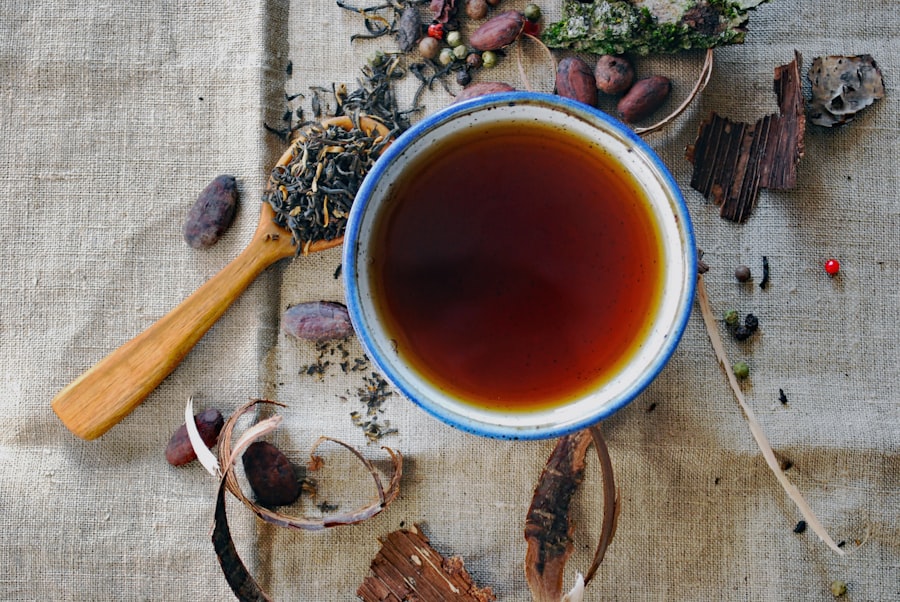
Chamomile is arguably the most recognized herbal sleep aid in the world—and for good reason. Its dried flowers contain apigenin, a bioactive flavonoid that binds to GABA receptors in your brain, producing a mild sedative effect. A 2019 meta-analysis published in Phytotherapy Research reviewed 12 randomized controlled trials and concluded that chamomile significantly improves sleep quality, particularly in older adults and postpartum women.
To use chamomile effectively, steep 2 to 3 grams of dried flowers (roughly 1 tablespoon) in 240 ml of boiling water for 8–10 minutes. Drink it 30–45 minutes before bedtime. You can find high-quality chamomile at most herbal shops across Riyadh, Jeddah, and Dammam. For those who dislike the taste, chamomile capsules (300–400 mg standardized extract) offer a convenient alternative.
Key benefit: Chamomile is gentle enough for most people, including older adults, yet effective enough to measurably reduce the time it takes to fall asleep—known as sleep onset latency—by an average of 8 to 10 minutes compared to placebo.
2. Valerian Root – Nature's Sedative
Valerian root (Valeriana officinalis) is one of the most extensively studied natural remedies for insomnia. Unlike chamomile's gentle nudge, valerian works more like a mild natural sedative. It increases GABA levels in the brain—the same neurotransmitter targeted by benzodiazepine medications—but without the same addiction potential. A systematic review covering 16 studies and over 1,000 participants found that valerian improved subjective sleep quality in 44% to 60% of users.
The recommended dosage ranges from 300 to 600 mg of standardized extract (0.8% valerenic acid) taken 60–90 minutes before bed. Be aware that valerian has a distinct, earthy smell that some find unpleasant. Capsules mask this effectively. Also, note that 10% to 15% of users report a paradoxical stimulating effect—if you feel more alert after taking valerian, discontinue use and try passionflower or magnolia bark instead.
3. Lavender – Aromatic Calm in Minutes

Lavender is unique among herbs for deep sleep because it works through olfactory pathways—meaning simply inhaling its aroma can trigger relaxation responses in your brain. A landmark 2015 study in the Journal of Alternative and Complementary Medicine demonstrated that lavender aromatherapy increased slow-wave (deep) sleep by 20% to 23% in healthy adults. In the Middle East, lavender has been used traditionally in bukhur (incense) blends, making it culturally familiar in Saudi households.
For best results, place 3–4 drops of pure lavender essential oil on your pillow or use a bedside diffuser running for 30 minutes before sleep. Alternatively, oral lavender oil capsules (such as Silexan, 80 mg daily) have shown impressive results for anxiety-related insomnia in clinical settings. Lavender is generally recognized as safe, though allergic reactions—while rare—can occur.
⚠️ Safety Alert: Herbal-Drug Interactions
If you take blood thinners, sedatives, anti-anxiety medications, or have liver conditions, consult your physician before using valerian, kava, or ashwagandha. Some herbal sleep aids can interact with prescription drugs. Always disclose your herbal supplement use during medical appointments.
4. Passionflower – Anxiety Relief for Deeper Sleep
Passionflower (Passiflora incarnata) targets the anxiety-insomnia cycle directly. If racing thoughts keep you awake, this calming herb may be your ideal match. Clinical research published in the Journal of Clinical Pharmacy and Therapeutics compared passionflower to the anxiety medication oxazepam and found comparable efficacy—with significantly fewer side effects and less daytime drowsiness.
Passionflower works by boosting GABA levels while also modulating serotonin, addressing both the mental and physiological components of sleeplessness. The standard dose is 400–500 mg of dried extract or 1–2 ml of liquid tincture taken 45–60 minutes before bed. You can also find passionflower blended with chamomile in commercial "sleepy time" tea formulations available at Carrefour, Tamimi Markets, and other Saudi retailers.
5. Lemon Balm – The Uplifting Relaxant
Lemon balm (Melissa officinalis) belongs to the mint family and offers a distinctive combination of mood-elevating and sleep-promoting properties. Unlike sedating herbs that can leave you feeling flat, lemon balm reduces stress while maintaining a positive emotional state. A 2021 randomized trial found that lemon balm extract reduced insomnia severity scores by 34% over 4 weeks and improved daytime alertness simultaneously.
Lemon balm pairs exceptionally well with other herbal teas for sleep. A blend of lemon balm, chamomile, and a touch of honey creates a delicious pre-bed ritual. Use 1.5–2 teaspoons of dried leaf per cup, steeped for 10 minutes. Capsules (300–500 mg) are also effective. This herb is particularly suitable for those whose insomnia is tied to mild depression or seasonal mood changes—relevant during Saudi Arabia's intense summer months when indoor confinement can disrupt circadian rhythms.
6. Ashwagandha – The Stress-Adaptogen Powerhouse
Ashwagandha (Withania somnifera)—the species name somnifera literally means "sleep-inducing"—is an adaptogenic herb that regulates your body's cortisol stress response. Elevated evening cortisol is one of the primary biochemical drivers of insomnia, and ashwagandha addresses this root cause rather than simply sedating you. A 2020 double-blind study in Cureus reported that participants taking 300 mg of ashwagandha extract twice daily experienced a 33% reduction in sleep onset latency and a 42% improvement in overall sleep quality after 6 weeks.
Ashwagandha is widely available in Saudi Arabia through health stores and online platforms. Look for KSM-66 or Sensoril standardized extracts (300–600 mg daily). Note that ashwagandha builds effects over time—expect noticeable improvements after 2–3 weeks of consistent use rather than immediate results. This makes it ideal as a long-term natural sleep supplement rather than an occasional quick fix.
7. Magnolia Bark – Ancient Eastern Sleep Support
Magnolia bark has been used in Traditional Chinese Medicine for over 2,000 years to treat anxiety and sleep disorders. Its active compounds—honokiol and magnolol—interact with GABA-A receptors similarly to pharmaceutical sleep aids but with a much gentler profile. Animal and human studies suggest magnolia bark reduces sleep latency by 15–20 minutes on average and increases total sleep duration without causing morning grogginess.
The recommended dose is 200–400 mg of standardized extract (containing at least 2% honokiol) taken 60 minutes before bed. Magnolia bark is often combined with other sleep-inducing herbs like valerian or lemon balm in commercial formulations. Its safety profile is excellent, with no significant adverse effects reported in short-to-medium-term studies lasting up to 12 weeks.
8. Hops – More Than a Beer Ingredient
Hops (Humulus lupulus) are famous for flavoring beer, but their sedative properties have been recognized since the 16th century. Hops contain methylbutenol and other bitter acids that exert a measurable sedative effect. Interestingly, historical records show that European hop-pickers often fell asleep during work—a phenomenon eventually linked to the plant's volatile compounds absorbed through the skin and inhalation.
Modern research validates this traditional knowledge. A 2017 study found that a hops-valerian combination improved sleep quality in 75% of participants within 14 days. Hops work particularly well when paired with valerian root, and many commercial herbal sleep aids combine these two ingredients. The typical dose is 200–300 mg of dried extract taken 30–60 minutes before bed. Hops tea—though bitter—offers a caffeine-free evening beverage alternative.
9. California Poppy – Gentle Sedation Without Morning Grogginess
Despite its name and appearance, California poppy (Eschscholzia californica) contains no opiates. Instead, it offers a mild, non-addictive sedative effect that promotes restful sleep without the "hangover" feeling common with stronger remedies. It is particularly effective for sleep maintenance insomnia—the type where you fall asleep easily but wake up at 3 a.m. unable to return to sleep.
California poppy works through alkaloids that interact with the central nervous system's relaxation pathways. The recommended dose is 300–500 mg of dried extract or 1–2 ml of tincture before bed. It is considered one of the safest natural remedies for insomnia and is even used in pediatric sleep formulations in some European countries, though at much lower doses and under medical supervision.
10. Kava Kava – Potent Relaxation (Use With Caution)
Kava (Piper methysticum) is among the most powerful herbal sleep aids available, but it comes with important safety considerations. Pacific Island cultures have used kava ceremonially for centuries to induce relaxation and sociability. Its active kavalactones produce effects comparable to moderate doses of benzodiazepines—but without respiratory depression at therapeutic levels.
However, kava has been associated with rare cases of liver toxicity. For this reason, only noble kava varieties should be used, never tudei or wild kava, and only water-based extracts (not alcohol or acetone extractions). If you choose kava, limit use to 2–3 times per week maximum at a dose of 100–250 mg kavalactones. Do not combine kava with alcohol or acetaminophen. Given Saudi Arabia's strict stance on any substance that could impair judgment, exercise particular caution and consult a healthcare provider before use.
11. Catnip – A Surprising Human Sleep Remedy
Catnip (Nepeta cataria) is famous for exciting felines, but in humans, it produces the opposite effect: gentle sedation. The compound nepetalactone, which stimulates cats, acts as a mild relaxant in humans when consumed as a tea. Traditional herbalists have recommended catnip tea for centuries to ease tension headaches, digestive discomfort, and sleeplessness—particularly in children and the elderly.
Catnip is one of the safest calming herbs available, with virtually no reported side effects. Steep 1–2 teaspoons of dried catnip leaf in hot water for 10–12 minutes and drink 45 minutes before bed. Its mild, minty flavor blends well with lemon balm or chamomile. In Saudi Arabia, catnip may be less common in local markets but is readily available through international herbal suppliers and Amazon.sa.
12. Peppermint – Digestive Calm for Better Rest
Peppermint may not be the first herb you associate with sleep, but for those whose insomnia is linked to digestive discomfort or nighttime acid reflux, it can be a game-changer. Peppermint relaxes the smooth muscles of the gastrointestinal tract, reducing bloating and cramping that can disrupt sleep onset. Its menthol content also provides a cooling sensation that signals relaxation to the nervous system.
Drink 1 cup of peppermint tea (steeped 7–10 minutes) after your evening meal—but not too close to bedtime if you are prone to acid reflux, as peppermint can relax the lower esophageal sphincter in some individuals. For acid reflux sufferers, chamomile or lemon balm may be a better choice. Peppermint is widely available across Saudi Arabia, from traditional attar shops to modern supermarkets.
"Sleep is the golden chain that ties health and our bodies together. Herbal remedies offer a bridge back to natural sleep—one rooted in centuries of wisdom and now validated by modern science."
— Dr. Michael Breus, Clinical Psychologist & Sleep Specialist
📊 Quick Comparison: Best Herbs for Sleep at a Glance
🇸🇦 Herbal Sleep Remedies in Saudi Arabia: Local Context & Vision 2030
Saudi Arabia's relationship with herbal medicine runs deep. Traditional herbal sleep aids like chamomile (baboonj in Arabic), lavender (khozama), and mint (na'na) have been staples in Saudi households for generations. With the Kingdom's Vision 2030 initiative emphasizing preventive healthcare and wellness tourism, interest in natural remedies for insomnia is experiencing a significant resurgence.
Key Local Considerations
- Climate Impact: Saudi Arabia's extreme summer heat—often exceeding 45°C—disrupts natural melatonin production. Air-conditioned environments, while necessary, can confuse the body's thermoregulation. Cooling herbs for deep sleep like peppermint and lemon balm become especially valuable during June through September.
- Ramadan Sleep Patterns: During the holy month, altered meal and sleep schedules affect circadian rhythms. Gentle sleep-inducing herbs like chamomile and lavender can ease the transition between Ramadan and regular schedules without interfering with daytime alertness for prayers and work.
- Availability: High-quality dried herbs are available at traditional attar shops in Riyadh's Al-Batha souq, Jeddah's Al-Balad district, and through online platforms like Noon.com, Amazon.sa, and specialized wellness stores.
- Vision 2030 Alignment: The Saudi Ministry of Health's Quality of Life Program promotes non-pharmacological interventions for common health concerns. Herbal sleep solutions fit squarely within this framework, supporting the goal of reducing reliance on pharmaceutical sedatives.
✅ Key Benefits of Using Herbal Sleep Aids Over Pharmaceuticals
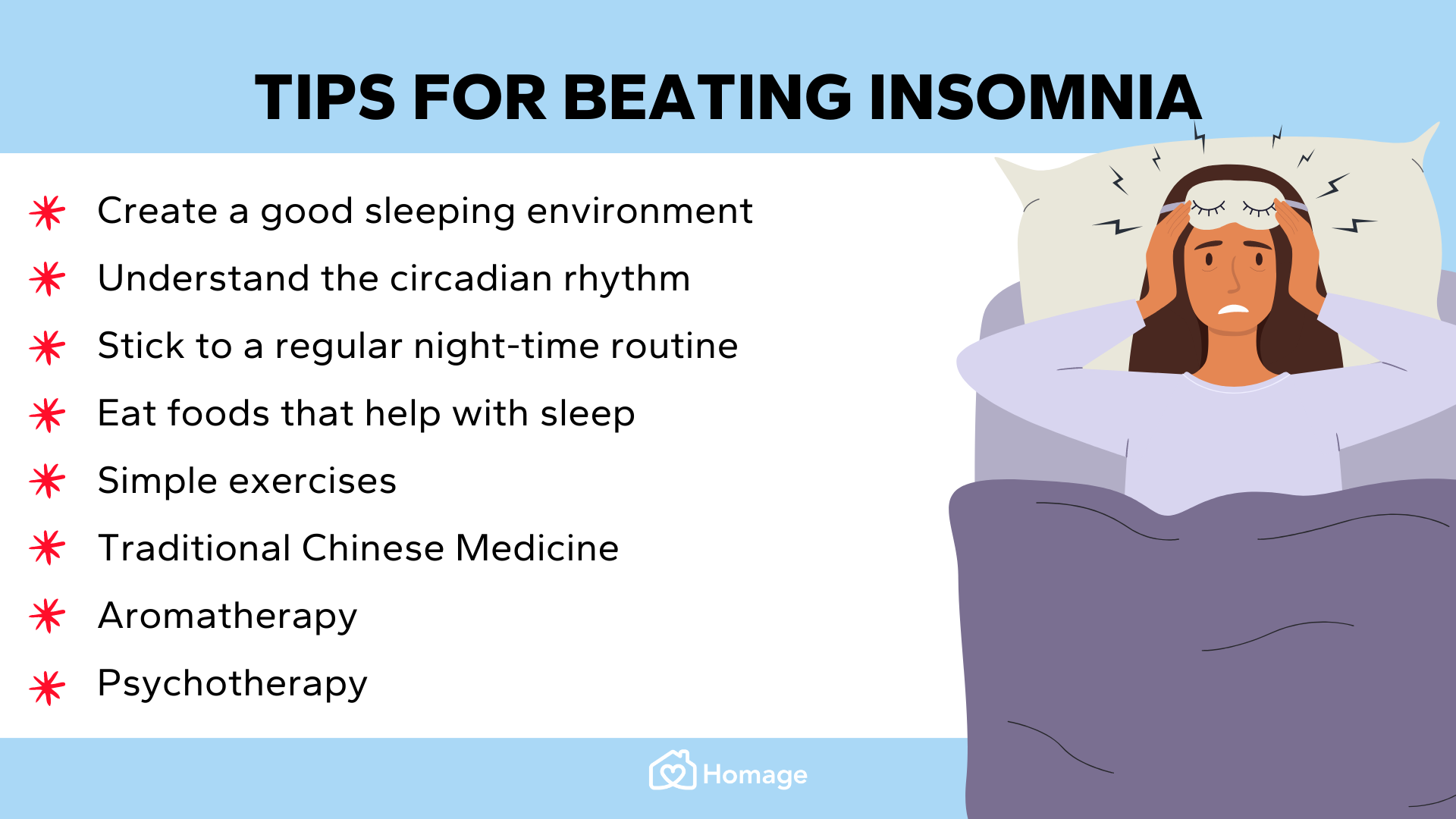
- Lower Dependency Risk: Unlike benzodiazepines or Z-drugs, the best herbs for sleep do not create physical dependence when used responsibly. This makes them suitable for long-term sleep support strategies.
- Fewer Side Effects: Most users report no morning grogginess, memory impairment, or "hangover" effects with herbal remedies—common complaints with prescription sleep medications.
- Holistic Wellness Support: Many natural remedies for insomnia offer secondary benefits: chamomile aids digestion, ashwagandha reduces stress, and lavender improves mood.
- Cost-Effective: A month's supply of most herbal sleep aids costs between 45–120 SAR (approximately $12–$32 USD), significantly less than branded prescription alternatives.
- Cultural Compatibility: Herbal remedies integrate seamlessly with traditional Saudi wellness practices, making them more acceptable for families seeking natural solutions first.
🔮 Future Trends: Herbal Sleep Science & Saudi Vision 2030
The global market for herbal sleep aids is projected to reach $12.8 billion by 2030, growing at a compound annual rate of 6.4%. Within Saudi Arabia, several trends are converging to accelerate adoption:
- Personalized Herbal Formulations: AI-driven wellness platforms are beginning to recommend specific sleep-inducing herbs based on individual sleep studies, genetics, and lifestyle data—a trend expected to reach the Saudi market within 3–5 years.
- Medical Tourism Integration: Vision 2030's push for wellness tourism includes plans for integrative sleep retreats combining herbal sleep aids with cognitive behavioral therapy for insomnia (CBT-I) in Red Sea resorts and Al-Ula wellness destinations.
- Local Cultivation: The Saudi Green Initiative supports agricultural diversification, and cultivating high-value medicinal herbs like lavender and chamomile domestically could reduce import dependency while creating new economic opportunities.
- Research Collaboration: Saudi universities, including King Saud University and KAUST, are expanding research into traditional Arabian herbal remedies, with sleep disorders identified as a priority area for evidence-based validation.
❓ Frequently Asked Questions About Herbs for Sleep
Q1: What is the most effective herb for sleep according to research?
Valerian root and ashwagandha have the strongest clinical evidence base among herbal sleep aids. Valerian shows effectiveness for sleep onset latency reduction in 44–60% of users, while ashwagandha excels at addressing stress-related insomnia through cortisol regulation. The best herb for sleep ultimately depends on your specific sleep challenge—chamomile for mild issues, valerian for moderate insomnia, and ashwagandha for stress-driven sleeplessness.
Q2: Are herbal sleep remedies safe for long-term use?
Most natural remedies for insomnia—including chamomile, lavender, lemon balm, and passionflower—are considered safe for long-term use when taken at recommended doses. Ashwagandha has been studied for continuous use up to 8–12 weeks. However, herbs like kava and valerian warrant periodic breaks (every 4–6 weeks) to prevent tolerance. Always consult a healthcare provider if you plan to use any supplement for more than 3 consecutive months.
Q3: Can I combine different herbs for better sleep results?
Yes—many commercial herbal teas for sleep and supplement blends combine complementary herbs. Classic pairings include valerian-hops, chamomile-lavender-lemon balm, and passionflower-magnolia bark. These combinations often produce synergistic effects. Start with single herbs first to understand how your body responds, then gradually introduce blends if needed. Keep total herbal intake within safe limits by following individual dosing guidelines for each component.
Q4: How long do herbal sleep aids take to start working?
Onset times vary by herb and preparation method. Herbal teas (chamomile, lemon balm, catnip) typically work within 30–45 minutes. Tinctures and liquid extracts absorb faster—often within 20–30 minutes. Capsules generally require 45–90 minutes. Ashwagandha is the notable exception: as an adaptogen, it builds effects gradually and shows optimal sleep improvements after 2–3 weeks of consistent daily use.
Q5: Are these herbs safe during pregnancy or breastfeeding?
Most herbs for deep sleep are not recommended during pregnancy without medical supervision. Chamomile in moderate amounts (1 cup of weak tea daily) is generally considered safe during the second and third trimesters, but valerian, kava, and ashwagandha should be avoided. During breastfeeding, chamomile and lavender aromatherapy are considered the safest options. Always consult your obstetrician before using any herbal remedy during pregnancy or lactation.
Q6: Where can I buy quality herbal sleep aids in Saudi Arabia?
Quality natural sleep supplements are available through multiple channels in the Kingdom: traditional attar (herbalist) shops in major cities, pharmacy chains like Al Nahdi and Al Dawaa, health food stores, and trusted online platforms including Amazon.sa, Noon.com, and iHerb (which ships to Saudi Arabia). Look for products with third-party testing certifications and standardized extract percentages on the label.
Q7: Can children use herbal sleep remedies?
Gentle herbs like chamomile and catnip are considered safe for children over 2 years old when given as weak teas (half the adult concentration). Lavender aromatherapy (1–2 drops on a cloth near the bed, not directly on the pillow) can also help. Never give valerian, kava, or ashwagandha to children without explicit pediatric guidance. Always start with behavioral sleep strategies first and consult a pediatrician before introducing any herbal remedy.
Q8: Do herbal sleep remedies interact with prescription medications?
Yes—several herbal sleep aids can interact with medications. Valerian may enhance the effects of sedatives and antidepressants. Ashwagandha can potentiate thyroid medications and immunosuppressants. Kava should never be combined with acetaminophen or alcohol. Lavender and chamomile have minimal interaction risks but may slightly enhance blood-thinning effects. Always inform your physician about all herbal supplements you are taking.
🌙 Conclusion: Your Path to Natural, Restorative Sleep
The best herbs for sleep offer a time-tested, scientifically supported pathway to better rest without the drawbacks of pharmaceutical dependency. Whether you choose the gentle embrace of chamomile tea, the stress-melting power of ashwagandha, or the aromatic calm of lavender, these natural remedies for insomnia empower you to take control of your sleep health naturally.
Remember that herbs work best as part of a comprehensive sleep hygiene routine: maintain consistent bedtimes, limit screen exposure before sleep, keep your bedroom cool (especially important in Saudi Arabia's climate), and pair your chosen herbal sleep aid with relaxation techniques like deep breathing or gentle stretching. Start with one herb, be patient with the process, and pay attention to how your body responds. The journey to restorative sleep is personal—and nature has provided an abundant toolkit to support you along the way.
🌿 Ready to Reclaim Your Sleep Naturally?
Download our free "Sleep Wellness Planner" and receive a personalized guide to the best herbs for your specific sleep type. Join over 15,000 readers in Saudi Arabia and beyond who have transformed their nights.
📩 Get Your Free Sleep Wellness PlannerNo spam. Unsubscribe anytime. Evidence-based guidance only.
🏷️ Tags
Best Herbs for Sleep Natural Remedies for Insomnia Herbal Sleep Aids Calming Herbs Sleep Herbs Natural Sleep Supplements Herbal Teas for Sleep Melatonin Alternatives Insomnia Relief Sleep Wellness Saudi Arabia Vision 2030 Wellness Herbs for Deep Sleep
📚 References & Further Reading: This article draws on peer-reviewed research from the Journal of Clinical Sleep Medicine, Phytotherapy Research, the Journal of Alternative and Complementary Medicine, and the World Sleep Society's global insomnia prevalence data (2023–2025). Always verify herbal supplement quality through third-party testing organizations like USP, NSF International, or ConsumerLab.
⚕️ Medical Disclaimer: The information provided in this article is for educational and informational purposes only and does not constitute medical advice. Always consult a licensed healthcare provider before starting any new supplement regimen, especially if you are pregnant, nursing, taking medications, or have a pre-existing medical condition.


0 Comments