
How to Build a Home Herbal Medicine Cabinet: A Beginner’s Guide
Have you ever wished you could handle everyday health complaints naturally, right from your own kitchen? Creating a home herbal medicine cabinet is the perfect way to do that. In Saudi Arabia, where family health is paramount and traditional remedies have been trusted for generations, building a herbal medicine cabinet blends ancestral wisdom with modern safety. This guide will show you how to craft your own natural first aid kit step by step, even if you're an absolute beginner. You’ll discover exactly which herbs to stock, how to store them, and how to use them safely for common ailments. By the end, you'll feel confident to replace over‑the‑counter synthetics with gentle, effective herbal remedies for beginners that align with a healthier, more sustainable lifestyle.
Table of Contents
- Why Build a Home Herbal Medicine Cabinet?
- Essential Herbs for Your Beginner Herbal Remedies Kit
- How to Store Herbs and Supplies
- Basic Herbal Preparations You Can Make
- Benefits of a Home Herbal Medicine Cabinet
- Herbal Cabinet Use Cases in Saudi Arabia
- Herb vs. Ailment Quick‑Reference Table
- Herbal Medicine and Saudi Vision 2030
- Frequently Asked Questions
- Conclusion & Your Next Steps
Why Build a Home Herbal Medicine Cabinet?
Modern life often makes us run to the pharmacy for every sneeze, stomach ache, or sleepless night. But over‑the‑counter drugs can bring unwanted side effects and high costs. A home herbal medicine cabinet offers a natural, affordable, and empowering alternative. It’s not about rejecting conventional medicine—it’s about adding a layer of gentle support for everyday issues.
💡Pro Tip: Start small. You don’t need fifty herbs. Begin with 5–7 versatile herbs that cover 80% of common family complaints. This approach keeps your herbal medicine cabinet simple, budget‑friendly, and manageable.
According to the World Health Organization, around 80% of people in developing nations rely on herbal medicine for primary healthcare. In Saudi Arabia, a 2023 consumer survey by the SFDA indicated that 65% of households use herbal remedies for minor ailments like indigestion, colds, and skin irritations. Numbers don’t lie—natural remedies are already part of our daily lives. Building a dedicated cabinet simply makes that practice safer, more organized, and more effective.
Essential Herbs for Your Beginner Herbal Remedies Kit
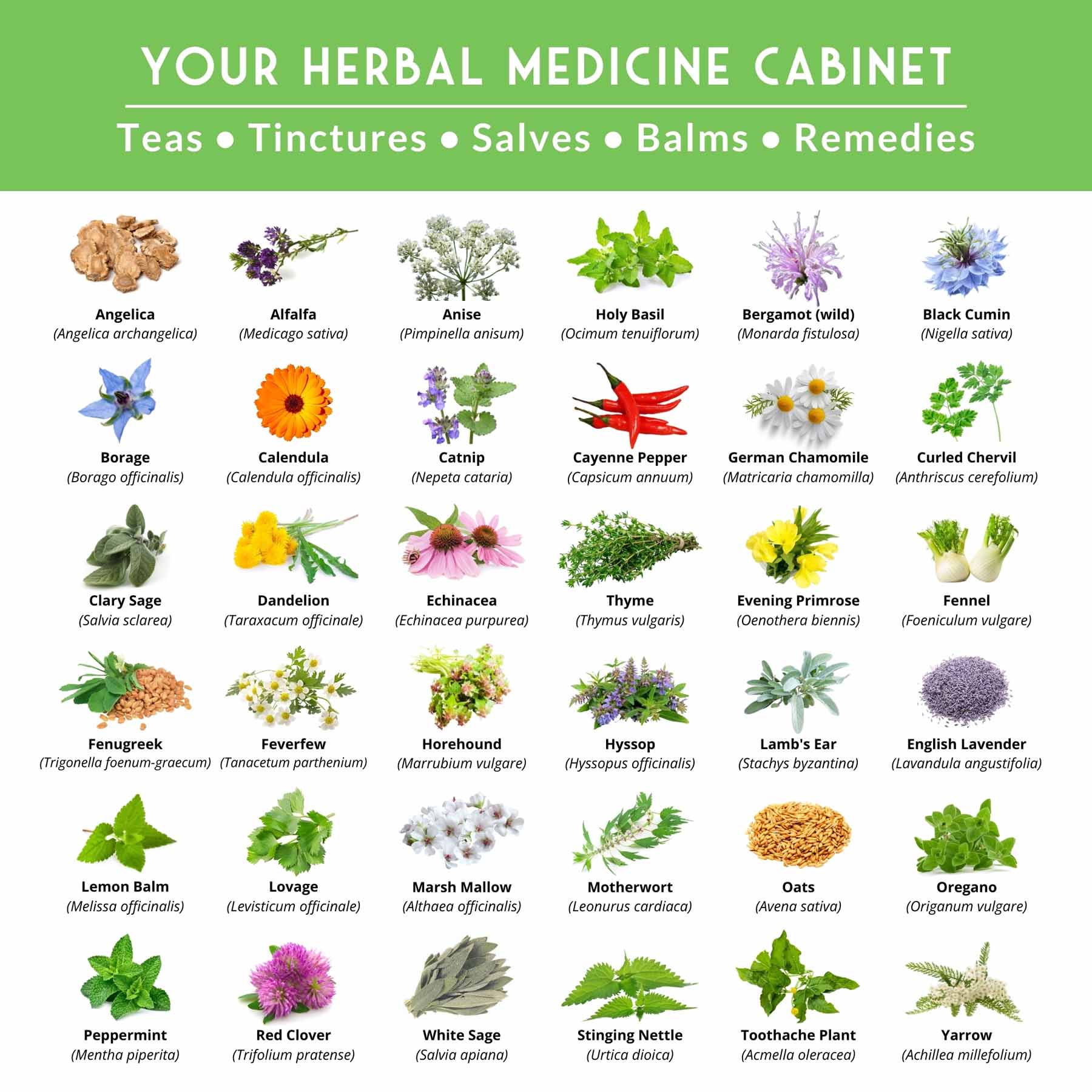
When you’re just starting your DIY herbal medicine journey, it’s easy to feel overwhelmed by the choices. Below are the top seven herbs that belong in every herbal cabinet for common ailments. They are safe, readily available in Saudi markets (or online), and backed by both tradition and research.
- Chamomile (Matricaria chamomilla) – Calms upset stomachs, eases anxiety, and promotes restful sleep. Perfect for children and adults.
- Peppermint (Mentha piperita) – Soothes digestive spasms, relieves headaches, and cools hot skin. A must for any home herbal cabinet.
- Ginger (Zingiber officinale) – Fights nausea, warms the body, and reduces inflammation. Fresh or dried, it’s indispensable.
- Thyme (Thymus vulgaris) – A potent antimicrobial for coughs, sore throats, and respiratory infections.
- Calendula (Calendula officinalis) – Heals cuts, burns, and rashes when used in salves or compresses.
- Fennel (Foeniculum vulgare) – Relieves bloating and colic; traditionally given to nursing mothers to support milk production.
- Frankincense (Boswellia sacra) – A Saudi treasure. Reduces inflammation, supports joint health, and can be used as a steam inhalation for congestion.
How to Store Herbs and Supplies
Proper storage is the secret to preserving potency. Your home herbal remedies will lose their effectiveness quickly if exposed to heat, light, or moisture. Follow these simple rules:
- Use airtight glass jars—amber or cobalt blue is best to block light.
- Label every jar with the herb name and date of purchase.
- Keep herbs in a cool, dark cupboard away from the stove or direct sunlight.
- Dried herbs generally stay potent for 1 year; powdered herbs for 6 months.
- Store tinctures and oils in dark glass bottles; they can last 2–3 years.
⚠️ Caution: Never store herbal preparations in plastic containers for long periods, especially if they contain essential oils. The oils can dissolve harmful chemicals from the plastic. Stick to glass.

Basic Herbal Preparations You Can Make
You don’t need to be an expert to create effective DIY herbal medicine. These three preparations cover most everyday needs and can be made with minimal equipment.
1. Herbal Infusions (Teas)
The simplest way to use dried herbs. Pour 1 cup of boiling water over 1–2 teaspoons of dried herb, cover, and steep for 10–15 minutes. Chamomile, peppermint, and ginger work beautifully as teas.
2. Herbal Compresses
Soak a clean cloth in a strong herbal tea (like calendula or chamomile), wring it slightly, and apply to the affected skin. Excellent for rashes, insect bites, and tired eyes.
3. Herbal Honey
Fill a small jar halfway with dried herbs, cover with raw honey, and let it infuse for 1–2 weeks. Thyme honey is fantastic for sore throats. This is one of the most beloved homemade herbal remedies for families.
“The beauty of a home herbal medicine cabinet is not just healing—it’s the daily ritual of connection with nature’s pharmacy. Every cup of tea becomes a conscious act of self‑care.” — Layla Al‑Qahtani, family herbalist, Riyadh
Benefits of a Home Herbal Medicine Cabinet
Why invest time in building this cabinet? The advantages go far beyond simple first aid. Here’s what you gain when you start your natural first aid kit.
- Immediate, gentle relief – No need to drive to a pharmacy at midnight for heartburn or a mild burn.
- Cost‑effectiveness – Once you stock the basics, a year’s supply often costs less than two boxes of brand‑name painkillers.
- Fewer chemicals – You avoid artificial dyes, preservatives, and synthetic fillers.
- Empowerment and education – You learn what works for your body and become the primary guardian of your family’s wellness.
- Reduced medical waste – Less packaging, fewer plastic blister packs—an environmentally friendly choice.
- Cultural connection – In Saudi Arabia, herbs like zaatar, habbat al‑baraka (black seed), and murr (myrrh) connect you to centuries of healing tradition.
Herbal Cabinet Use Cases in Saudi Arabia
Your herbal cabinet really proves its worth in the specific climate and lifestyle of the Kingdom. Here are three common scenarios where a well‑stocked cabinet becomes a household essential.
🌿 Case 1: Post‑Ramadan Digestive Support
After a month of fasting, many people experience bloating and indigestion during Eid celebrations. A simple fennel or peppermint infusion settles the stomach naturally, without the drowsiness that antacids can cause.
🌿 Case 2: Summer Skin Soothers
With temperatures soaring above 45°C, heat rash and sunburn are common. A cooled chamomile compress or a homemade calendula salve reduces redness and speeds healing—perfect for kids who play outdoors.
🌿 Case 3: Traditional Saudi Herbal Practices
Many families already use black seed oil for immunity and frankincense water for colicky babies. By integrating these regional treasures into your home herbal medicine cabinet, you honor local wisdom while ensuring the herbs are stored safely and used correctly.
Herb vs. Ailment Quick‑Reference Table
Keep this table handy. It matches the most common family complaints with the right herbal go‑to. This is the heart of any herbal cabinet for common ailments.
| Ailment | Best Herb | How to Use |
|---|---|---|
| Upset stomach | Peppermint / Ginger | Tea, 2–3 cups daily |
| Sore throat | Thyme / Sage | Gargle with strong tea |
| Minor burns & cuts | Calendula | Apply infused oil or salve |
| Insomnia | Chamomile | Tea 30 min before bed |
| Cough & congestion | Thyme / Frankincense | Steam inhalation |
| Bloating & colic | Fennel | Warm infusion for adults, weak tea for infants (after 6 months) |
Herbal Medicine and Saudi Vision 2030
Saudi Arabia’s Vision 2030 is reshaping every sector, including healthcare. The National Transformation Program places a strong emphasis on preventive care, quality of life, and the integration of complementary medicine into the public health system. The establishment of the National Center for Complementary and Alternative Medicine under the Ministry of Health signals official support for practices like herbal healing at home.
By building a home herbal medicine cabinet, you align with this national direction. You reduce the burden on primary care centres for minor ailments, foster self‑reliance, and preserve valuable traditional knowledge—exactly the kind of empowered, wellness‑focused society Vision 2030 envisions. Additionally, the growing local cultivation of medicinal plants (like organic mint and chamomile in Al‑Jouf and Tabuk) makes sourcing quality herbs easier and supports the Saudi green economy. For more on health transformation, visit the official Vision 2030 Health Sector Transformation Program.
Frequently Asked Questions
What herbs should a beginner include in a home herbal medicine cabinet?
Start with chamomile, peppermint, ginger, thyme, calendula, fennel, and frankincense. These seven herbs form a beginner herbal remedies kit that covers digestion, sleep, skin, and respiratory issues safely. You can read our separate guide Top Herbs for Beginners for deeper insights.
How do I store dried herbs to keep them effective?
Always store herbs in airtight glass containers away from heat, light, and moisture. Amber jars extend shelf life. Dried herbs retain optimal potency for about 12 months. Check out our post on Herb Storage Mistakes to avoid common pitfalls.
Is herbal medicine safe for children and the elderly?
Many natural remedies for family health are gentle, but dosages must be adjusted. For children under 2, use only weak chamomile or fennel tea and always consult a pediatrician. Elderly individuals on multiple medications should check with a healthcare professional to avoid interactions. The WHO Traditional Medicine Strategy offers excellent safety guidelines.
Can I use herbal remedies alongside prescription medications?
Not always. Some herbs (like St. John’s Wort, which we don’t recommend for beginners) interact with drugs. The herbs in this article are generally safe, but if you take blood thinners, diabetes medication, or other critical prescriptions, please speak with your doctor first. Build your herbal medicine cabinet with an informed mindset.
How long do homemade herbal preparations last?
Dried herb teas should be used within a day. Herbal honeys last 3–6 months. Tinctures (alcohol‑based) can last 2–3 years. Oils and salves are best used within a year. Always label your creations with the date.
Where can I buy quality herbs in Saudi Arabia?
You can find excellent herbs at traditional attar shops, herbal pharmacies, and reputable online stores like local organic vendors (example link). The SFDA has also certified several brands. Look for organically grown or sustainably wild‑crafted options when possible.
What is the best way to learn about herbal medicine as a beginner?
Hands‑on practice is key. Start with our DIY Herbal Tea Guide. Follow trusted herbalists, read books like “Rosemary Gladstar’s Medicinal Herbs: A Beginner’s Guide,” and take short online courses. Join local Saudi women’s groups that share traditional recipes—the community learning is priceless.
Are there Saudi‑specific herbs I should add to my cabinet?
Absolutely. Black seed (Nigella sativa) is a prophetic remedy with immune‑boosting properties. Myrrh (Commiphora myrrha) is a powerful antiseptic for mouth sores and wounds. Sidr (Ziziphus spina‑christi) leaves are used in hair and skin care. Including these makes your herbal medicine cabinet truly local and deeply meaningful.
Conclusion & Your Next Steps
Building a home herbal medicine cabinet is a transformative journey that reconnects you with nature, saves money, and gives you gentle tools for everyday health. You’ve learned which herbs to start with, how to store them, and how to tailor your kit to the needs of a Saudi household. The key is to begin small—choose three herbs this week, prepare a simple tea, and experience the shift toward self‑sufficiency.
Your natural first aid kit will grow with your confidence. Soon you’ll be sharing honey‑infused thyme with a coughing neighbour or offering peppermint tea to a guest with an upset stomach. This is the essence of a warm, caring home.
Ready to Create Your Own Herbal Cabinet?
Tell us in the comments: Which herb will you add first? If you found this guide helpful, share it with a friend who loves natural wellness. For more beginner‑friendly tips, explore our herbal medicine archive and download our free printable herb chart.
Start Your Herbal Journey Now


0 Comments