
Honey vs Sugar: Complete Nutritional Comparison Updated 2026
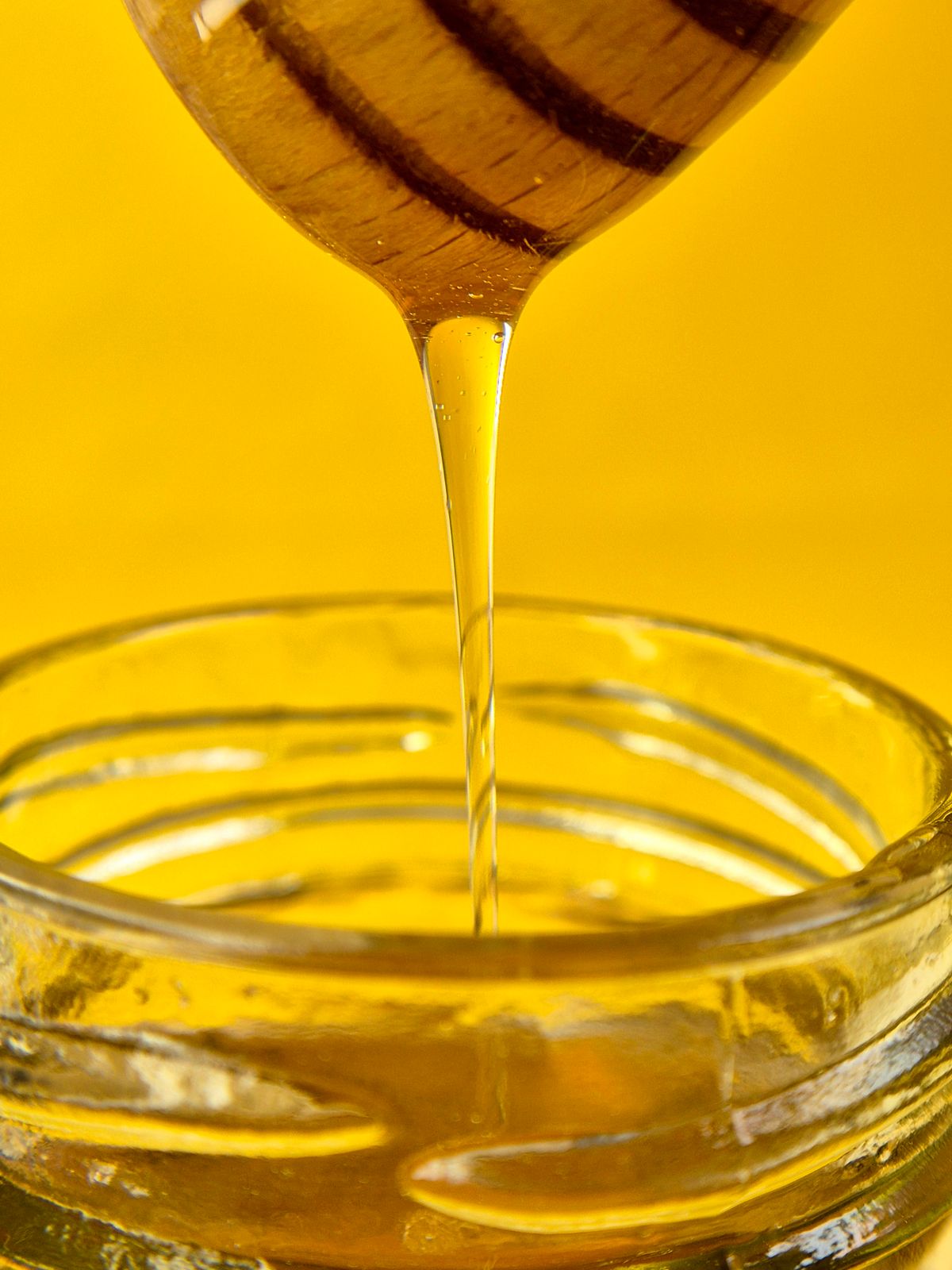
Honey vs sugar is one of the most common nutrition questions for people who want sweetness without harming their health goals. In Saudi Arabia, where tea, coffee, desserts, dates, Ramadan meals, and family gatherings often include sweet flavors, understanding the real difference between honey and sugar can help you make smarter daily choices. Honey may sound more natural, while sugar may look simpler and easier to measure, but both are concentrated sources of carbohydrates and free sugars. The better option depends on your portion size, health condition, recipe, and total daily intake.
This updated 2026 guide gives you a complete honey vs sugar nutritional comparison using clear data, practical examples, and Saudi-focused recommendations. You will learn how many calories are in honey and sugar, how they affect blood glucose, when honey is useful, when sugar is more predictable, and how to reduce added sugar without losing flavor. The goal is not to label one sweetener as perfect. The goal is to help you choose wisely, measure accurately, and enjoy sweetness in a balanced way.
Table of Contents
Honey vs Sugar: Quick Answer for 2026
Honey is not automatically healthier than sugar. Honey contains slightly more water, small amounts of minerals, and plant compounds, while white sugar is almost pure sucrose. However, both honey and sugar raise blood glucose and count as free sugars when added to food or drinks.
If you use a small measured amount, honey can be a flavorful choice for yogurt, oats, lemon drinks, and marinades. If you need exact sweetness in baking or calorie tracking, sugar can be easier to measure. The healthiest choice is usually the one that helps you use less total sweetener.
The best sweetener is not the one with the healthiest image. It is the one you can use in the smallest satisfying amount while keeping your total free sugar intake under control.
Tip Box: The One-Teaspoon Rule
For daily tea, Arabic coffee, milk drinks, or oatmeal, start with one teaspoon. Taste first, then decide whether you really need more. This simple habit can reduce sugar calories across the week without making your food feel restrictive.
Honey vs Sugar Nutrition Table: Calories, Carbs, and Sugars
The clearest way to compare honey vs sugar is to look at both weight and household portions. A tablespoon of honey weighs more than a tablespoon of granulated sugar because honey is dense and liquid. That means a tablespoon-to-tablespoon comparison can make honey look higher in calories, even though 100 grams of honey has fewer calories than 100 grams of sugar.
| Nutrient or Factor | Honey | Granulated Sugar | What It Means |
|---|---|---|---|
| Calories per 100 g | About 304 kcal | About 387 kcal | Honey has fewer calories by weight because it contains water. |
| Typical tablespoon | 1 tbsp, 21 g, about 64 kcal | 1 tbsp, about 12.5 g, about 49 kcal | A tablespoon of honey may contain more calories because it weighs more. |
| Main carbohydrate | Glucose and fructose | Sucrose | Both are rapidly digestible sugars. |
| Fiber | Almost none | None | Neither behaves like whole fruit. |
| Micronutrients | Trace potassium, calcium, antioxidants | Negligible minerals | Honey has small extras, but not enough to treat it as a vitamin source. |
| Free sugar status | Yes, when added | Yes, when added | Both should be limited within daily free sugar targets. |
Nutrition databases such as USDA FoodData Central for honey and USDA FoodData Central for sugar show that both sweeteners are mainly carbohydrates. This is important for anyone tracking calories, managing blood glucose, or planning a weight-loss diet.
How Honey and Sugar Affect Your Body
When you eat sugar, your digestive system breaks sucrose into glucose and fructose. Glucose enters the bloodstream and can raise blood sugar quickly. Fructose is processed mainly by the liver. Honey already contains mostly free glucose and fructose, so it is also absorbed quickly.
This is why the honey vs sugar question should not be answered only by saying “natural.” Natural does not always mean low-calorie, low-glycemic, or safe in unlimited amounts. Honey can still raise blood glucose, especially when added generously to tea, desserts, smoothies, pancakes, or breakfast bowls.
Glycemic Index Honey vs Sugar
The glycemic index of honey varies by floral source, processing, and composition. Many references place honey in the moderate range, often lower than table sugar, but this difference is not large enough to make honey a free-choice sweetener for people with diabetes. Portion size remains more important than the sweetener name.
For Saudi Arabia, this matters because diabetes is a major public health concern. The International Diabetes Federation reports that Saudi Arabia had about 5.3 million adults aged 20 to 79 living with diabetes in 2024 and projects a higher number by 2050. You can review the country data through the IDF Diabetes Atlas Saudi Arabia page.
Notice Box: Diabetes and Medical Conditions
If you have diabetes, insulin resistance, fatty liver disease, high triglycerides, or a medically prescribed diet, treat both honey and sugar as concentrated sweeteners. Ask a qualified healthcare professional or dietitian how much fits your plan.
Features and Benefits of Honey vs Sugar
Honey and sugar both have a place in the kitchen, but they serve different purposes. Understanding their benefits helps you choose based on function, not marketing.
Potential Benefits of Honey
- Stronger flavor: A small amount of honey can add floral, herbal, or caramel notes.
- Moisture in recipes: Honey helps baked goods stay soft because it holds water.
- Trace compounds: Honey may contain small amounts of antioxidants and minerals.
- Useful in marinades: Honey balances acidity in lemon, vinegar, and spice-based sauces.
- Better satisfaction for some people: Its richer taste may help you use less sweetener overall.
Potential Benefits of Sugar
- Precise measurement: Sugar is easier to measure for baking and calorie tracking.
- Neutral taste: It sweetens without changing the flavor profile of tea, coffee, or recipes.
- Consistent texture: Sugar supports structure in cakes, cookies, jams, and desserts.
- Lower cost and longer shelf life: Granulated sugar is widely available and stable.
- Predictable performance: It behaves consistently in traditional baking.
Honey vs Sugar Use Cases in Saudi Arabia
Food choices are cultural as well as nutritional. In Saudi Arabia, honey and sugar appear in different daily situations, from morning tea to Ramadan desserts. A practical honey vs sugar decision should match the meal, portion, and health goal.
1. Tea, Coffee, and Daily Drinks
If you add sugar to tea several times a day, the total can rise quickly. One teaspoon of sugar has about 16 calories. Three sweetened drinks per day can add around 48 calories before snacks or desserts. Honey can be used instead, but one teaspoon of honey still contributes sugar and calories. For daily drinks, the best strategy is reducing the amount gradually.
2. Arabic Coffee with Dates
Arabic coffee is often served with dates, which already provide natural sweetness. In this setting, you may not need extra sugar or honey. A better approach is to enjoy the date mindfully and keep the drink unsweetened. For more balanced eating ideas, see this internal guide to healthy eating in Saudi Arabia.
3. Ramadan and Iftar Meals
During Ramadan, many people eat sweet drinks and desserts after fasting. Honey may be used in oats, yogurt, or light desserts, while sugar appears in juices and traditional sweets. The key is not replacing sugar with large amounts of honey. The key is controlling total sweet portions across iftar and suhoor. For planning support, visit Ramadan nutrition tips.
4. Children and Family Snacks
For children, sweetness preferences develop early. Instead of asking whether honey vs sugar is better, parents can focus on lower-sweetness habits. Try plain yogurt with fruit, oats with cinnamon, or milk with a smaller sweetener portion. Honey should not be given to infants under 12 months.
5. Weight Management
For weight management, honey is not a magic substitute for sugar. Calories still count. If honey helps you enjoy a smaller portion, it can be useful. If you pour it freely because it feels natural, it can slow progress. For more ideas, read the internal meal planning for weight loss guide.
Honey vs Sugar Comparison: Best Choice by Situation
The best answer depends on the situation. Use the table below as a practical guide for daily life in Saudi Arabia.
| Situation | Better Option | Reason |
|---|---|---|
| Daily tea or coffee | Less of either | Frequency matters more than sweetener type. |
| Greek yogurt or oats | Honey, measured | A small drizzle gives flavor and aroma. |
| Precise baking | Sugar | Sugar gives predictable structure and texture. |
| Marinades and dressings | Honey | Honey blends well with lemon, vinegar, and spices. |
| Diabetes-friendly planning | Measured portions only | Both can raise blood glucose. |
| Reducing added sugar | Gradual reduction | Taste buds adapt over time. |
How Much Honey or Sugar Is Too Much?
The World Health Organization recommends reducing free sugars to less than 10% of total energy intake and suggests that going below 5% may provide additional benefits. Free sugars include added sugar and honey added to foods or drinks. You can read the official guidance from the World Health Organization sugars guideline.
For a 2,000-calorie diet, 10% equals about 200 calories from free sugars, or roughly 50 grams. A stricter 5% target equals about 25 grams. These are not goals to reach; they are upper limits. Many people do better by keeping sweeteners lower and choosing whole foods such as fruit, milk, nuts, and high-fiber grains.
Practical Portion Guide
- Use teaspoons, not free pouring.
- Keep sweetened drinks to occasional use, not every cup.
- Pair sweet foods with protein or fiber, such as yogurt, nuts, or oats.
- Reduce recipe sugar by 10% to 25% when texture allows.
- Choose unsweetened versions of milk, yogurt, and cereals when possible.
Tip Box: Sweetness Reset Method
Reduce your usual sugar or honey by one quarter for two weeks. After your taste buds adjust, reduce again. This method is easier than stopping suddenly and works well for tea, coffee, oats, and homemade desserts.
Case Study: Replacing Sugar with Honey in a Saudi Household
Imagine a person in Riyadh drinks three cups of tea daily, each with two teaspoons of sugar. That is six teaspoons of sugar per day, or about 96 calories from tea alone. If this person switches to two teaspoons of honey in each cup, the calories may not improve and could even rise depending on the spoon size.
A better plan is to reduce each cup to one teaspoon, whether using honey or sugar. That cuts sweetener volume by half. Then, after two weeks, the person can try half a teaspoon or use spices such as cinnamon, cardamom, mint, or ginger for more flavor. This is a realistic example of how honey vs sugar choices work in real life: the portion change matters more than the replacement.
Image SEO Plan for Google Images
Use high-quality, compressed images between 800 and 1200 pixels wide. Name image files with descriptive English keywords before uploading to Blogger, such as honey-vs-sugar-nutrition-comparison-2026.jpg. Add keyword-rich alt text, but keep it natural and useful for readers using screen readers.
| Image | Ideal Placement | Alt Text | Title and Description | Size |
|---|---|---|---|---|
| Honey close-up | Hero image under H1 | Honey vs sugar nutritional comparison with golden honey as a natural sweetener | Honey vs Sugar Nutritional Comparison Updated 2026; shows honey texture for the main topic. | 1200 px wide |
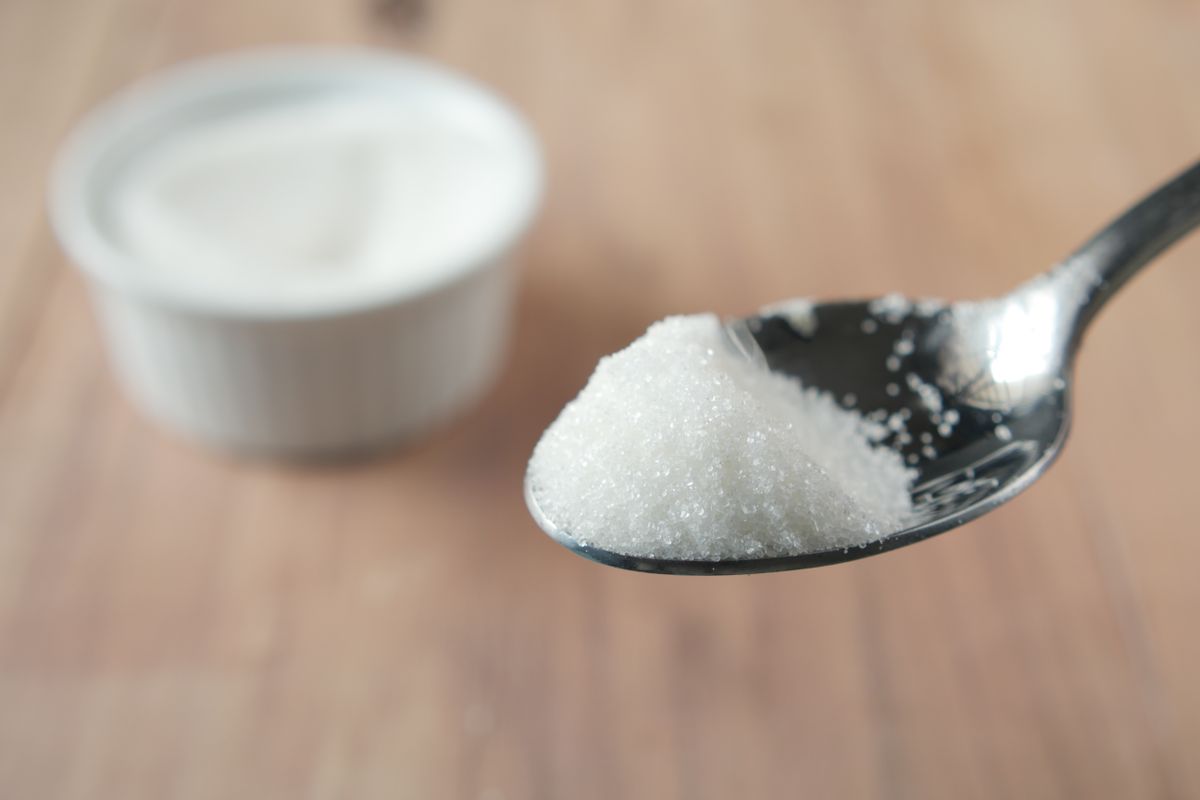
| Sugar spoon | After nutrition table | Granulated sugar calories and sugar nutrition comparison for honey vs sugar | Granulated Sugar Nutrition and Calories; supports sugar nutrition section. | 1000 to 1200 px wide |
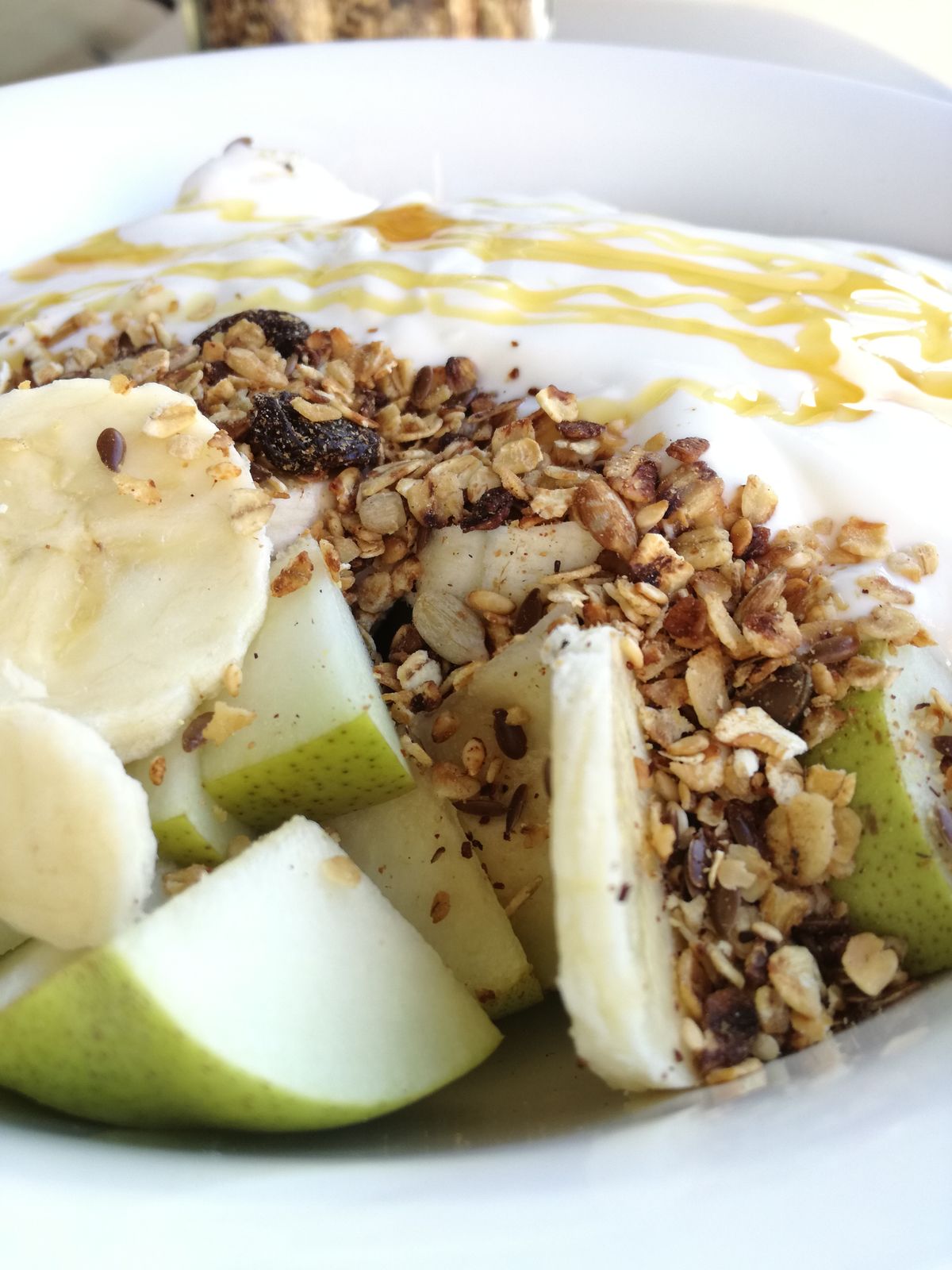
| Healthy breakfast bowl | Saudi use cases section | Healthy breakfast with honey showing how to use honey vs sugar in Saudi Arabia meal planning | Healthy Breakfast with Honey for Balanced Meal Planning; shows practical use. | 1000 to 1200 px wide |
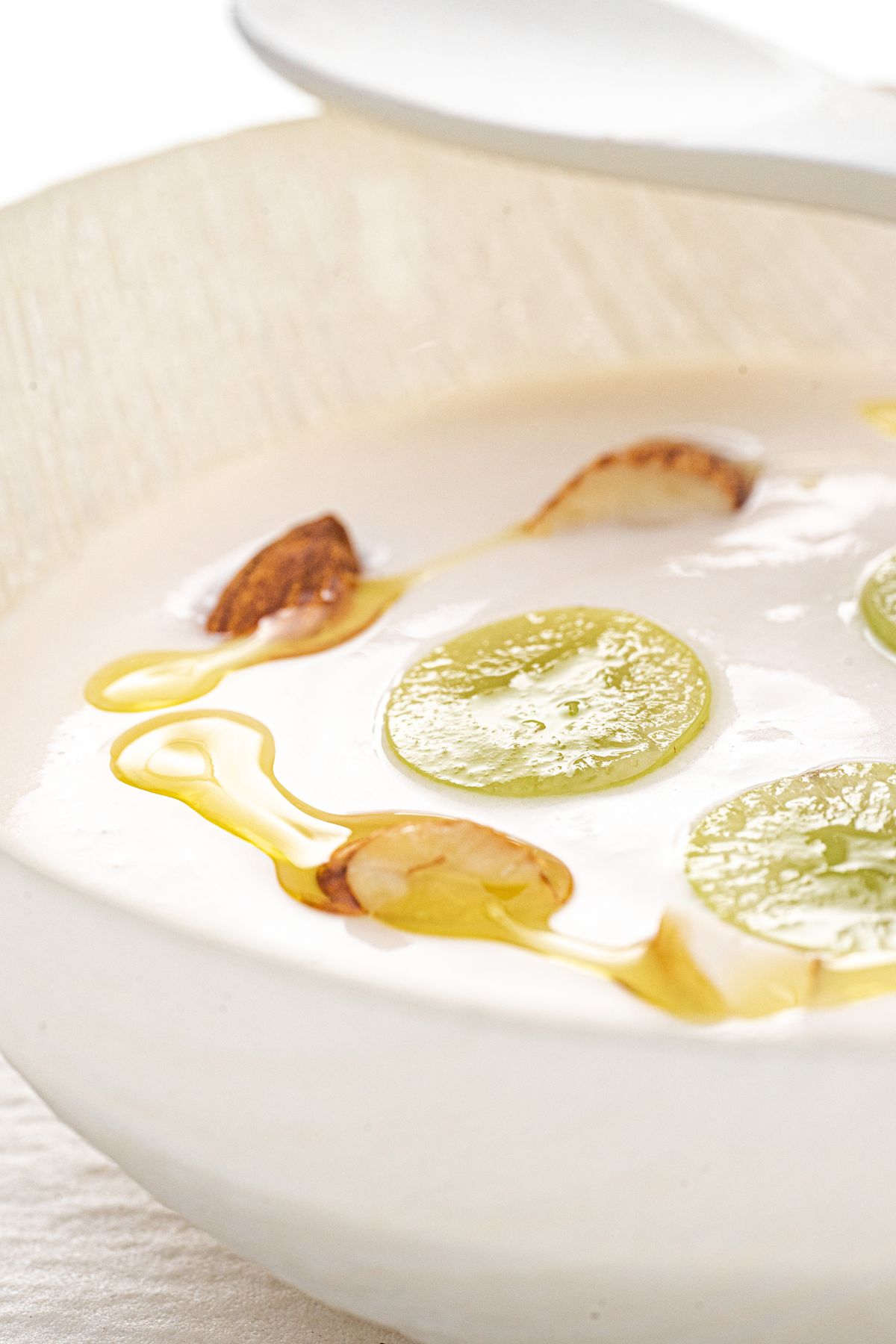
| Yogurt with honey | Before conclusion | Measured honey serving on yogurt for reducing added sugar in a healthy diet | Measured Honey Serving on Yogurt; supports portion-control advice. | 800 to 1200 px wide |
Future Trends: Honey vs Sugar, Health Awareness, and Saudi Vision 2030
In 2026 and beyond, nutrition decisions in Saudi Arabia are likely to become more data-driven. People are reading labels, using health apps, checking blood glucose, and comparing ingredients before buying. This trend supports the goals of preventive health and quality of life.
Saudi Arabia’s Vision 2030 Health Sector Transformation Program emphasizes prevention, public health, and better health outcomes. You can learn more from the official Health Sector Transformation Program. In this context, honey vs sugar is not only a kitchen debate. It is part of a larger shift toward smarter food choices, lower chronic disease risk, and more informed consumers.
Expected trends include clearer front-of-pack labels, lower-sugar products, more unsweetened beverages, functional foods, and personalized nutrition plans. Restaurants and cafes may also offer smaller sweetener portions or let customers choose sweetness levels. For consumers, the winning habit will be reading labels and choosing portions intentionally.
Practical Buying Tips for Honey and Sugar
When buying honey, look for clear labeling, trusted suppliers, and proper storage. Raw, filtered, local, imported, floral, and commercial honey can vary in taste and price. Choose honey for flavor, not because you expect it to cancel the effects of sugar. Store it tightly closed at room temperature unless the label says otherwise.
When buying sugar, remember that brown sugar, raw sugar, and white sugar are still added sugars. Brown sugar may contain molasses flavor, but it is not meaningfully healthier in normal serving sizes. If your goal is reducing sugar calories, the best purchase may be smaller packages, unsweetened drinks, and naturally sweet whole foods.
For people comparing products in supermarkets, read “total sugars” and “added sugars” when available. Also check serving size. A product may look low in sugar until you realize the package contains two or three servings. For more label-reading help, visit this internal nutrition label reading guide.
FAQ: Honey vs Sugar Nutritional Comparison
1. Is honey healthier than sugar for daily use?
Honey has small amounts of minerals and plant compounds, and it has a richer flavor than white sugar. However, for daily use, it should still be treated as a free sugar. If honey helps you use a smaller amount, it may be a better choice. If you use large spoonfuls, it is not healthier in practice.
2. Does honey have fewer calories than sugar?
By weight, honey has fewer calories than sugar because it contains water. However, one tablespoon of honey usually weighs more than one tablespoon of granulated sugar, so it can contain more calories by household measure. Use teaspoons or a kitchen scale if calories matter to you.
3. Is honey better than sugar for diabetes?
Not automatically. Honey can still raise blood glucose because it contains glucose and fructose. People with diabetes should count honey as a carbohydrate source and use it only within their medical nutrition plan.
4. Which is better for weight loss, honey or sugar?
For weight loss, total calories and consistency matter most. Honey may feel more satisfying in small amounts, but it is still calorie-dense. The best approach is to reduce the total amount of sweetener and focus on high-protein, high-fiber meals.
5. Can I replace sugar with honey in baking?
Yes, but recipes may need adjustment. Honey adds moisture, browns faster, and has a stronger flavor. You may need to reduce other liquids slightly and lower oven temperature in some recipes. For precise cakes and cookies, sugar is often more predictable.
6. What is the best sweetener for tea and coffee in Saudi Arabia?
The best sweetener is the smallest amount that gives you satisfaction. For tea and coffee, gradually reduce sugar or honey. You can also use flavor enhancers such as cardamom, cinnamon, mint, or ginger to make drinks enjoyable with less sweetness.
7. Are brown sugar and raw sugar healthier than white sugar?
Brown sugar and raw sugar may have slightly different flavor and color, but nutritionally they are still added sugars. They should be limited in the same way as white sugar, especially if you are managing weight, blood glucose, or dental health.
Conclusion: Honey vs Sugar in 2026
The final answer to honey vs sugar is simple: honey has a more complex flavor and small trace compounds, while sugar is more neutral, precise, and consistent. Neither should be used freely. Both count as free sugars when added to foods and drinks, and both can contribute to excess calories when portions are not controlled.
For most people in Saudi Arabia, the smartest strategy is to reduce total sweetness gradually, measure portions, avoid sweetened drinks as a daily habit, and use honey or sugar only when they genuinely improve the meal. Choose honey for flavor and small drizzles. Choose sugar for precise baking. Choose less of both for long-term health.
Call to Action
Start today with one simple step: measure every spoon of honey or sugar for one week. You may be surprised how quickly small daily amounts add up.
Explore more nutrition guides and build a healthier routine one practical choice at a time.
Tags
Honey vs Sugar, Honey Nutrition, Sugar Nutrition, Honey Calories, Sugar Calories, Natural Sweetener, Added Sugar, Free Sugars, Healthy Eating Saudi Arabia, Diabetes-Friendly Meal Planning, Nutrition Comparison 2026, Saudi Vision 2030 Health


0 Comments