
How to Make Herbal Tinctures at Home: Complete Step-by-Step Guide
Learning how to make herbal tinctures at home gives you a simple way to preserve selected herbs in a concentrated liquid extract. A tincture is usually made by soaking clean plant material in a suitable solvent, then straining and storing the liquid in dark glass bottles. For many people in Saudi Arabia, interest in herbal preparation is connected to family traditions, natural living, and a growing focus on preventive wellness.
This guide explains the process in clear steps, from choosing herbs to labeling the final bottle. It also covers Saudi-specific considerations, including safety, product quality, alcohol restrictions, and when to use alcohol-free alternatives such as glycerin or vinegar extracts. The goal is not to replace medical advice, but to help you understand the method, avoid common mistakes, and make informed choices.
Globally, traditional medicine remains widely used. The World Health Organization reports that 170 of 194 Member States have reported the use of herbal medicines and other traditional practices, which makes safety, quality, and responsible education especially important. You can read more from the World Health Organization.
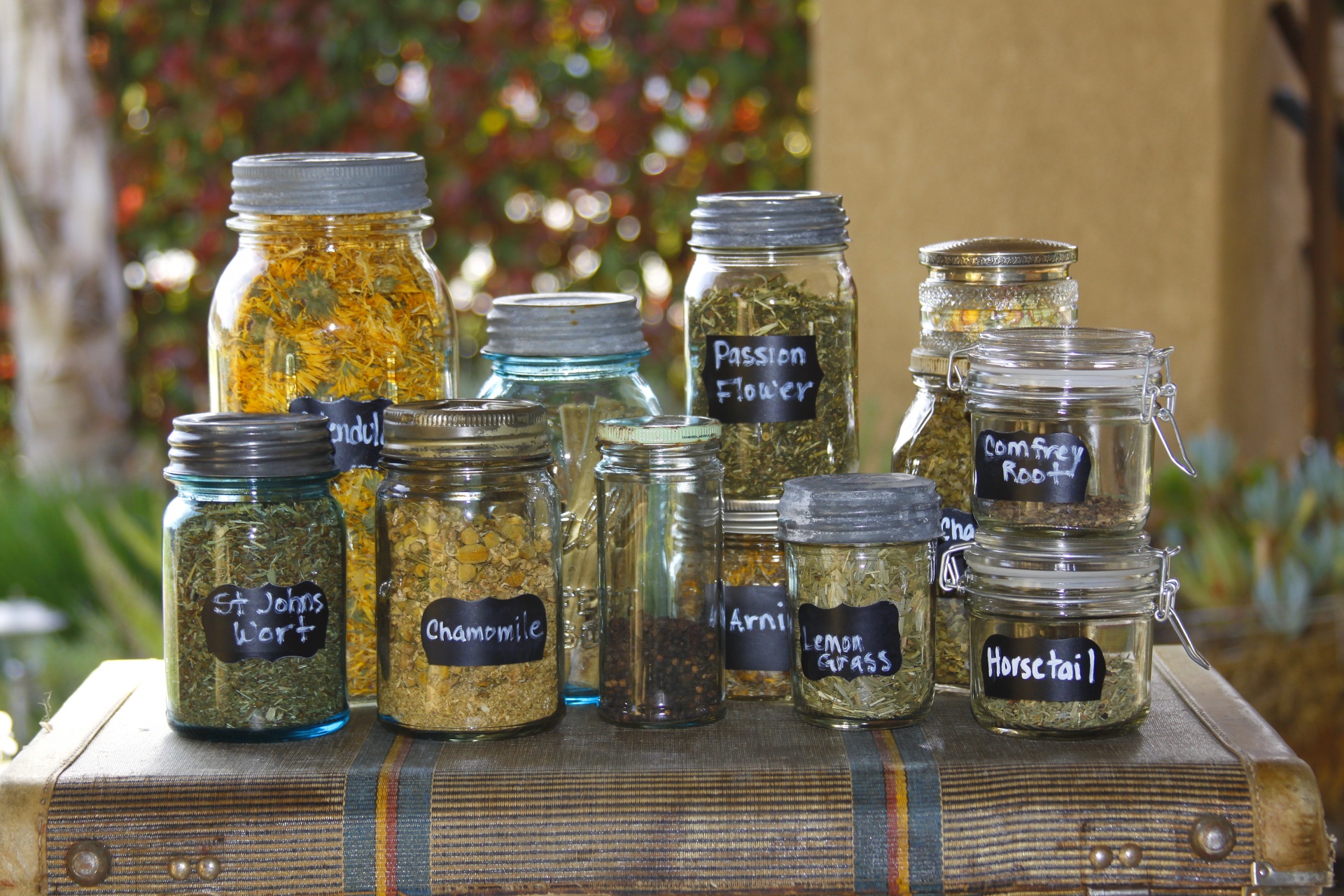
Table of Contents
- What Is an Herbal Tincture?
- Important Safety Notes for Saudi Arabia
- Ingredients and Tools You Need
- How to Make Herbal Tinctures at Home Step by Step
- Tincture Ratios and Extraction Methods
- Features and Benefits
- Use Cases in Saudi Arabia
- Comparison Table
- Image SEO Plan
- Future Trends and Vision 2030
- FAQ
- Conclusion and CTA
What Is an Herbal Tincture?
An herbal tincture is a concentrated liquid extract made by soaking herbs in a solvent. The solvent pulls plant compounds from the herb into the liquid. In classical herbal practice, tinctures usually use alcohol because alcohol can extract both water-soluble and alcohol-soluble plant compounds. However, alcohol-free options also exist.
The most common alcohol-free alternatives are glycerites, made with vegetable glycerin, and vinegar extracts, made with apple cider vinegar or another food-grade vinegar. These alternatives are useful for people who avoid alcohol for legal, religious, health, family, or personal reasons.
A tincture is not the same as herbal tea. Tea is usually prepared fresh with hot water and consumed soon after preparation. A tincture is more concentrated, stored for longer, and taken in very small amounts only when appropriate. Because herbal products can interact with medications, safe use matters more than strong claims.
Key principle: A good homemade herbal tincture is not about using the strongest herb. It is about using the right herb, the right solvent, the right ratio, clean tools, accurate labels, and safe judgment.
Important Safety Notes for Saudi Arabia
If you live in Saudi Arabia, you should treat homemade herbal preparations with extra care. Herbal medicine and complementary practices are regulated areas. The National Center for Complementary and Alternative Medicine is the national reference for complementary and alternative medicine activities in the Kingdom, and it highlights safe practice and reliable knowledge. You can visit the official Saudi NCCAM website for local guidance.
You should also check whether any herbal product is registered or recognized before buying commercial products. The Saudi Food and Drug Authority provides information on herbal drugs, health products, and vitamins through official services such as its herbal drugs page.
Notice Box: Alcohol and Local Compliance
Traditional tinctures often use alcohol, but alcohol use is restricted in Saudi Arabia. For home education and personal wellness routines, many readers may prefer alcohol-free herbal extracts such as glycerites or vinegar-based extracts. Always follow local laws, religious values, and household rules.
Herbs are natural, but natural does not always mean safe. The U.S. National Center for Complementary and Integrative Health notes that herbal supplements may raise concerns such as drug interactions, direct toxicity, or contamination. This is especially important if you take blood thinners, diabetes medication, heart medication, cancer treatment, antidepressants, or medicines with a narrow safety range. Review safety information from NCCIH herb-drug interaction guidance.
Ingredients and Tools You Need
Before you start a homemade herbal tincture, prepare your workspace. Clean tools reduce contamination. Accurate labels prevent confusion. Good storage protects the extract from heat and light, which is especially important in the Saudi climate.
Basic Ingredients
- Dried or fresh herbs: Choose food-grade herbs from a trusted supplier. Avoid unknown street mixtures or plants you cannot identify.
- Solvent: Use a suitable liquid such as alcohol where lawful and appropriate, food-grade vegetable glycerin, or vinegar.
- Clean water: Needed when diluting glycerin or preparing some alcohol-free extracts.
- Labels: Include herb name, date, solvent, ratio, and intended use.
Basic Tools
- Wide-mouth glass jar with tight lid
- Kitchen scale for accurate ratios
- Measuring cup or graduated cylinder
- Clean spoon or glass stirring rod
- Cheesecloth, fine strainer, or coffee filter
- Amber glass dropper bottles
- Notebook for your recipe and observations

Tip Box: Choose Dried Herbs First
If you are a beginner, start with dried herbs. They are easier to measure, usually contain less moisture, and reduce the risk of spoilage compared with fresh herbs. In hot cities such as Riyadh, Jeddah, Dammam, and Makkah, dried herbs are also easier to store safely.
How to Make Herbal Tinctures at Home Step by Step
This beginner method is designed for clarity. It uses a measured approach so you can repeat the recipe later. For an alcohol-free option, use vegetable glycerin mixed with water instead of alcohol, knowing that glycerites are usually sweeter, milder, and shorter-lived than alcohol tinctures.
Step 1: Choose One Herb
Start with one herb instead of a complex blend. Single-herb preparation helps you understand taste, color, aroma, and tolerance. Common beginner choices include peppermint, chamomile, thyme, rosemary, ginger, or hibiscus. Choose herbs that are familiar, food-grade, and commonly used in your household.
Avoid strong or high-risk herbs unless you are guided by a qualified professional. Do not use herbs during pregnancy, breastfeeding, chronic illness, or medication use without professional advice.
Step 2: Prepare the Herb
For dried herbs, check for dust, mold, insects, unusual smell, or discoloration. Break larger leaves or roots into smaller pieces to increase contact with the solvent. Do not grind everything into fine powder unless the recipe requires it, because powders can be difficult to strain and may create cloudy extracts.
Step 3: Measure the Ratio
A simple beginner ratio for dried herbs is 1:5. This means 1 gram of dried herb to 5 milliliters of solvent. For example, 50 grams of dried peppermint would need about 250 milliliters of solvent.
For fresh herbs, some herbalists use a 1:2 ratio because fresh plants contain water. However, beginners should start with dried herbs to keep the process easier and more stable.
Step 4: Add Herbs and Solvent to the Jar
Place the measured herbs in a clean, dry glass jar. Pour the solvent over the herbs until the plant material is fully covered. Stir gently to release trapped air bubbles. The herb must remain under the liquid throughout the extraction period.
If making a glycerite, a common home approach is to use food-grade vegetable glycerin mixed with clean water. Many home makers use a glycerin-heavy blend, such as three parts glycerin to one part water, for better preservation and extraction. Keep expectations realistic because glycerites do not extract every compound as efficiently as alcohol.
Step 5: Seal, Label, and Store
Seal the jar tightly. Add a label with the herb name, solvent, ratio, date started, and planned straining date. Store the jar in a cool, dark cabinet. Keep it away from direct sunlight, children, and heat sources.
In Saudi homes, avoid storing herbal extracts near windows, ovens, balconies, or parked cars. Heat can reduce quality and shorten shelf life.
Step 6: Shake Regularly
Shake the jar gently once a day for the first week, then several times per week. Shaking improves contact between the herb and the liquid. It also helps you notice changes in color, smell, and clarity.
Step 7: Wait for Extraction
Most home tinctures are left to extract for four to six weeks. Delicate leaves and flowers may extract faster, while roots, barks, and seeds may need longer. A practical beginner rule is to wait at least four weeks unless your recipe or professional guidance says otherwise.

Step 8: Strain the Tincture
Place cheesecloth or a fine strainer over a clean bowl or measuring cup. Pour the mixture through slowly. Press the herbs gently to collect more liquid, but do not force too much powder through the cloth. If needed, filter again through a coffee filter for a clearer extract.
Step 9: Bottle and Label
Transfer the strained liquid into amber glass dropper bottles. Label each bottle clearly. A useful label includes herb name, solvent, ratio, extraction dates, and a safety note such as “consult a healthcare professional before use.”
Step 10: Store and Track Quality
Store bottles in a cool, dark cabinet. Check for unusual smell, gas, mold, pressure, or major color changes. If anything looks unsafe, discard it. Never taste an extract that appears contaminated.
Tincture Ratios and Extraction Methods
There are two common ways to make herbal tinctures at home: the folk method and the measured method. The folk method fills a jar with herbs and covers them with liquid. It is simple but less accurate. The measured method uses a scale and a ratio. It is better for consistency, recordkeeping, and learning.
| Method | Best For | Main Advantage | Main Limitation |
|---|---|---|---|
| Folk method | Casual beginners | Easy and fast to set up | Less consistent strength |
| Measured method | Repeatable recipes | Better accuracy and labeling | Requires scale and notes |
| Glycerite method | Alcohol-free households | Sweet taste and family-friendly format | Shorter shelf life and milder extraction |
| Vinegar extract | Kitchen herbs and minerals | Affordable and alcohol-free | Strong taste and limited extraction range |
Features and Benefits of Homemade Herbal Tinctures
The main benefit of learning how to make herbal tinctures at home is control. You control the herb source, the solvent, the jar, the label, and the storage conditions. This can make your natural wellness routine more organized and transparent.
- Convenience: A small bottle is easy to store and measure.
- Longer preservation: Many extracts last longer than fresh herbs when prepared and stored correctly.
- Customization: You can choose alcohol-free options such as glycerites.
- Lower waste: Dried herbs can be preserved before they lose aroma and quality.
- Better learning: Notes help you compare color, taste, strength, and results over time.
- Practical home skill: The process teaches cleanliness, measurement, storage, and ingredient awareness.
Tip Box: Do Not Sell Homemade Extracts
Homemade herbal extracts are not the same as registered commercial herbal products. Do not sell, promote, or prescribe them. In Saudi Arabia, herbal and health products are regulated, and professional practice requires proper authorization.
Practical Use Cases in Saudi Arabia
Saudi Arabia has a strong culture of hospitality, family care, and herbal traditions. At the same time, modern healthcare standards and official regulation are becoming more important. This makes responsible home preparation a useful educational skill, especially when combined with medical caution.
1. Family Herbal Pantry Organization
You can use tincture-making principles to organize dried herbs at home. Even if you choose not to make alcohol-based tinctures, the same skills help you label chamomile, mint, thyme, ginger, hibiscus, and other common herbs properly.
2. Alcohol-Free Herbal Glycerites
For many Saudi households, an alcohol-free tincture is the more suitable option. A glycerite can be prepared with vegetable glycerin and clean water, then stored in amber glass. It may be useful as a learning project, but it should still be treated responsibly.
3. Hot Climate Storage Planning
Because many Saudi regions experience high temperatures, storage matters. Keep homemade extracts away from heat, sunlight, and humidity. A cool indoor cabinet is better than a kitchen shelf near the stove.
4. Wellness Education, Not Medical Treatment
Use herbal preparation as a learning practice, not as a cure. For symptoms, chronic illness, children, elderly people, pregnancy, or medication use, consult a qualified healthcare professional. You can also explore internal resources such as Herbal Safety Guide, Healthy Pantry Checklist, and Natural Living in Saudi Arabia.
Herbal Tincture vs Tea vs Glycerite vs Vinegar Extract
| Preparation | Solvent | Typical Time | Best Use | Saudi Suitability |
|---|---|---|---|---|
| Herbal tea | Hot water | 5 to 20 minutes | Daily kitchen herbs | Very suitable |
| Alcohol tincture | Alcohol and water | 4 to 6 weeks | Broad extraction | Check law, values, and medical advice |
| Glycerite | Vegetable glycerin and water | 4 to 6 weeks | Alcohol-free extract | Often more practical |
| Vinegar extract | Food-grade vinegar | 2 to 4 weeks | Kitchen herbs | Suitable but taste is strong |
Common Mistakes to Avoid
Many tincture problems come from poor labeling, weak hygiene, wrong plant identification, or unrealistic expectations. Avoid these mistakes before they happen.
- Using unknown herbs: Never use a plant unless you know exactly what it is.
- Skipping labels: A bottle without a label becomes unsafe quickly.
- Using dirty jars: Clean jars reduce contamination risk.
- Ignoring heat: Saudi heat can damage herbal extracts faster.
- Mixing too many herbs: Start with one herb to understand the result.
- Making medical claims: Homemade tinctures should not be promoted as cures.
- Ignoring medication interactions: Ask a healthcare professional when in doubt.

Image SEO Plan for Google Images
Good image optimization helps readers and search engines understand the article. Use descriptive file names when uploading to Blogger, compress images before publishing, and keep the display width between 800 and 1200 pixels for fast loading and clear visuals.
| Placement | Image Title | SEO Alt Text | Suggested Size | Short Description |
|---|---|---|---|---|
| After introduction | Dried herbs in glass jars for homemade herbal tinctures | How to make herbal tinctures at home with dried herbs in glass jars | 1100px wide | Shows clean dried herbs ready for preparation. |
| Tools section | Herbal tincture tools with dried herbs and glass containers | Herbal tincture preparation tools with dried herbs glass jar and mortar | 1000px wide | Supports the equipment checklist visually. |
| Extraction steps | Herbal tincture jars during the steeping process | Homemade herbal tincture jars steeping for extraction at home | 1100px wide | Shows maceration and waiting period. |
| Mistakes section | Drying herbs before making homemade herbal extracts | Dried herbs hanging for homemade herbal tincture preparation | 1000px wide | Explains why drying and storage matter. |
| CTA section | Natural herbal extracts in glass bottles | Natural herbal extracts in glass bottles for home wellness education | 1100px wide | Creates a polished final visual before the call to action. |
Future Trends: Herbal Preparation, Quality, and Vision 2030
Saudi Arabia’s healthcare direction is increasingly focused on prevention, access, quality, and digital health. The official Health Sector Transformation Program under Vision 2030 emphasizes a more comprehensive, effective, and integrated healthcare system, with attention to prevention, innovation, digital solutions, and quality of care.
This does not mean homemade tinctures will become medical products. It means people are likely to become more interested in evidence-based wellness, verified information, safer labeling, product registration, and professional guidance. For herbal preparation, the future is not only “natural.” It is natural plus safe, documented, regulated, and transparent.
For bloggers, educators, and home wellness readers, this trend creates a useful content opportunity. Articles should answer direct questions, explain limits clearly, link to trusted sources, and avoid exaggerated claims. That is the core of Generative Engine Optimization: content that is easy for search engines and AI systems to understand, summarize, and recommend because it is structured, practical, and reliable.
FAQ: How to Make Herbal Tinctures at Home
1. What is the easiest way to make herbal tinctures at home?
The easiest beginner method is to use dried herbs, a clean glass jar, and a measured ratio such as 1 gram of dried herb to 5 milliliters of solvent. Cover the herb completely, label the jar, store it in a dark cabinet, shake regularly, wait four to six weeks, strain, and bottle in amber glass.
2. Can I make an alcohol-free herbal tincture?
Yes. Alcohol-free extracts are usually called glycerites or vinegar extracts rather than traditional alcohol tinctures. A glycerite uses vegetable glycerin and water. It is sweet, alcohol-free, and often more suitable for households that avoid alcohol. However, it may have a shorter shelf life and may not extract the same range of plant compounds.
3. Which herbs are best for beginners?
Beginners should start with familiar food-grade herbs such as peppermint, chamomile, ginger, thyme, rosemary, or hibiscus. Choose one herb at a time. Avoid wild plants, unknown mixtures, and strong medicinal herbs unless you have guidance from a qualified professional.
4. How long should herbs sit in the solvent?
Most homemade herbal tinctures sit for four to six weeks. Leaves and flowers may extract faster than roots, barks, and seeds. Keep the jar sealed, labeled, and stored away from sunlight. Shake it regularly to improve contact between the herb and the liquid.
5. How should I store homemade herbal tinctures in Saudi Arabia?
Store them in amber glass bottles inside a cool, dark cabinet. Avoid heat, direct sunlight, kitchen steam, balconies, and cars. In hot climates, storage conditions are especially important because heat can reduce quality and increase spoilage risk.
6. Are herbal tinctures safe with medications?
Not always. Herbs can interact with prescription drugs, over-the-counter medicines, and supplements. Be especially careful with blood thinners, heart medicines, diabetes medicines, cancer treatments, antidepressants, and medication for chronic conditions. Ask a healthcare professional before use.
7. Can I sell homemade herbal tinctures?
No, you should not sell homemade herbal tinctures unless you meet all applicable regulatory, licensing, labeling, and product safety requirements. In Saudi Arabia, herbal products and complementary practices are regulated. Homemade extracts should be treated as personal educational preparations, not commercial products.
8. What is the difference between a tincture and herbal tea?
Herbal tea is made quickly with hot water and consumed fresh. A tincture is a concentrated extract made over several weeks and stored in small bottles. Tea is generally simpler for everyday use, while tinctures require more care, labeling, and safety awareness.
Conclusion
Learning how to make herbal tinctures at home is a valuable skill when you approach it with patience, cleanliness, accurate labels, and realistic expectations. Start with one familiar dried herb, choose a suitable solvent, use a measured ratio, store the jar safely, and document every step.
For readers in Saudi Arabia, the most practical path is often to understand the traditional method while choosing alcohol-free alternatives when appropriate. Always respect local laws, household values, and professional medical guidance. Herbal preparation should support education and safe natural living, not replace healthcare.
To continue learning, explore related guides such as Kitchen Wellness Recipes and Safe Herbal Storage at Home.

Start Safely: Make Your First Herbal Extract Plan
Choose one familiar dried herb, write a simple label before you begin, prepare a clean jar, and decide whether a glycerite or vinegar extract is more suitable for your household. Keep your first batch small, take careful notes, and review safety information before any use.
Tags
Tags: how to make herbal tinctures at home, herbal tinctures, homemade herbal tincture, herbal extract, alcohol-free tincture, glycerite, herbal medicine Saudi Arabia, natural wellness, dried herbs, herbal preparation, Saudi Vision 2030 health, safe herbal remedies.


0 Comments