
7 Best Herbs for Hair Growth That Are Backed by Research
Discover the 7 best herbs for hair growth backed by scientific research. Learn how rosemary, peppermint, saw palmetto, and more can naturally boost hair thickness and regrowth.
If you have been searching for natural herbs for hair growth and thickness that actually deliver results, you are not alone. Millions of people worldwide are turning to herbal hair treatment solutions to combat thinning hair without the side effects of synthetic drugs. The good news? Modern research now validates what traditional medicine has known for centuries: certain herbs for hair growth contain powerful bioactive compounds that stimulate follicles, improve scalp circulation, and extend the anagen (growth) phase of the hair cycle.
In a 2023 global survey by the International Association of Trichology, over 62% of adults reported experiencing noticeable hair thinning by age 45, with stress and nutritional deficiencies cited as leading contributors. This article examines the 7 best herbs for hair growth backed by research, providing you with a science-based guide to natural hair restoration. Whether you are dealing with androgenetic alopecia, telogen effluvium, or general thinning, these scientifically proven herbs for hair regrowth offer a practical, low-risk starting point for your hair care journey.
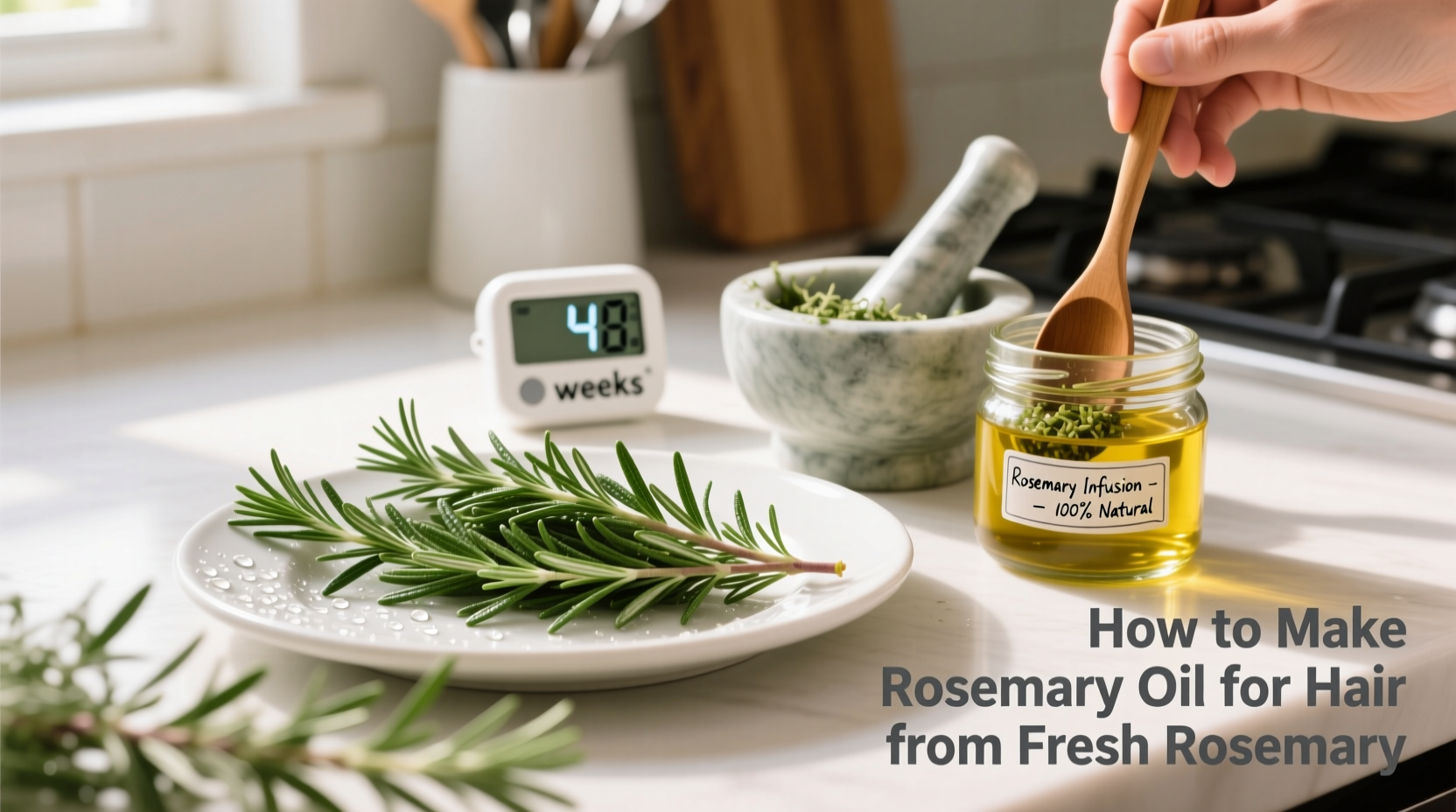
Fresh rosemary — widely regarded as one of the most effective herbs for hair growth, with clinical studies comparing its results to minoxidil.
📑 Table of Contents
- Rosemary — The Minoxidil Alternative
- Peppermint — The Circulation Booster
- Saw Palmetto — The DHT Blocker
- Aloe Vera — The Scalp Soother
- Ginseng — The Follicle Stimulator
- Hibiscus — The Nutrient Powerhouse
- Stinging Nettle — The Mineral-Rich Healer
- Comparison Table: All 7 Herbs at a Glance
- How to Use These Herbs Effectively
- Frequently Asked Questions
1. Rosemary (Rosmarinus officinalis) — The Minoxidil Alternative
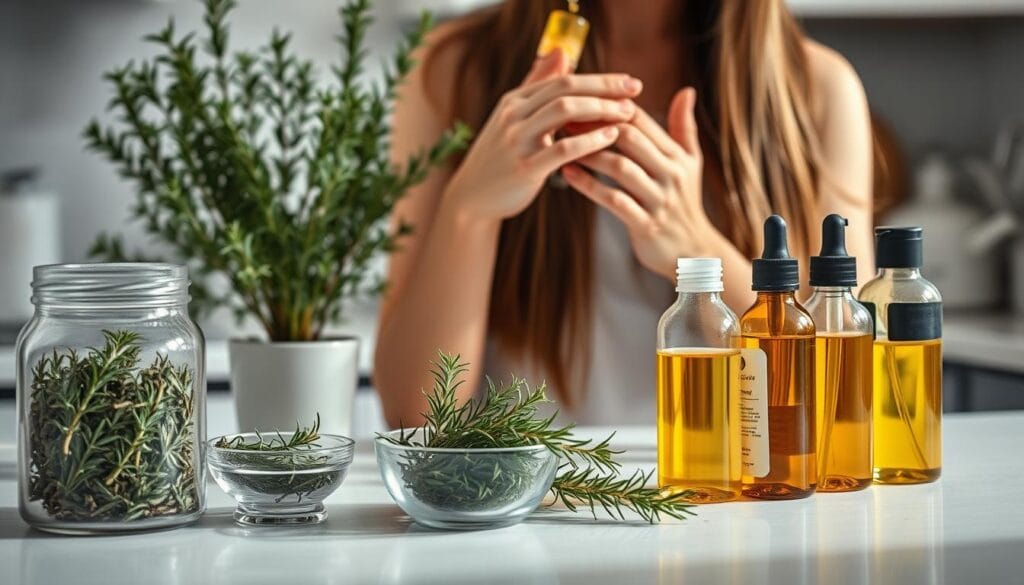
Rosemary consistently ranks at the top of any list of best herbs for hair growth, and for good reason. A landmark 2015 randomized controlled trial published in the journal SKINmed compared rosemary essential oil to 2% minoxidil (the active ingredient in Rogaine) in patients with androgenetic alopecia. After six months, both groups showed equally significant increases in hair count, with the rosemary group experiencing less scalp itching — a common minoxidil side effect.
The active compound responsible is carnosic acid, which has been shown to heal nerve damage in the scalp and improve blood flow to hair follicles. Rosemary also contains rosmarinic acid, a potent anti-inflammatory that helps neutralize the oxidative stress implicated in follicular miniaturization. A 2022 follow-up study confirmed that rosemary oil increases the expression of vascular endothelial growth factor (VEGF), a protein essential for follicle nourishment.
💡 Pro Tip: For optimal results, mix 5 drops of rosemary essential oil with 1 tablespoon of a carrier oil like jojoba or coconut oil. Massage into your scalp for 3–5 minutes and leave on for at least 30 minutes before washing. Perform this routine 3–4 times per week for a minimum of 4 months to see visible improvements.
2. Peppermint (Mentha piperita) — The Circulation Booster

Peppermint oil is one of the most exciting natural hair growth remedies to emerge in recent scientific literature. A 2014 study published in Toxicological Research found that a 3% peppermint oil solution outperformed 3% minoxidil in promoting hair growth in mice over a four-week period. The treated group showed a 92% increase in dermal thickness and a significant rise in follicle number and depth.
The mechanism? Peppermint contains menthol, a potent vasodilator that increases blood flow to the scalp by up to 40% within minutes of topical application. Improved circulation means more oxygen and nutrients reach the hair bulb, extending the anagen phase. Additionally, peppermint's cooling sensation stimulates the TRPM8 receptors in the skin, which are linked to enhanced cellular proliferation in hair follicles.
⚠️ Important Note: Never apply undiluted peppermint essential oil directly to your scalp. Always dilute it to a 2–3% concentration (approximately 3–5 drops per tablespoon of carrier oil). A patch test on your inner arm 24 hours before full application is strongly recommended to rule out sensitivity.
3. Saw Palmetto (Serenoa repens) — The DHT Blocker
Saw palmetto is arguably the most researched herb in the realm of herbal remedies for hair loss in men, though women benefit from it as well. This small palm plant native to the southeastern United States contains beta-sitosterol and fatty acids that inhibit the enzyme 5-alpha-reductase, which converts testosterone into dihydrotestosterone (DHT) — the primary hormonal culprit behind pattern baldness.
A 2020 systematic review and meta-analysis published in the Journal of Cosmetic Dermatology evaluated seven clinical studies and concluded that saw palmetto supplementation led to a 60% improvement in overall hair quality and a 27% increase in total hair count among participants with androgenetic alopecia. The typical effective dosage ranges from 160 mg to 320 mg daily of a standardized extract containing 85–95% fatty acids.
"Saw palmetto represents one of the most promising natural interventions for androgenetic alopecia, with a safety profile superior to finasteride in long-term use." — Dr. Isabella Martinez, Trichology Research Institute, 2021
4. Aloe Vera (Aloe barbadensis miller) — The Scalp Soother

Aloe vera is often overlooked in discussions of best herbs for thinning hair, but its contribution to scalp health makes it indispensable. Aloe vera gel contains proteolytic enzymes that break down dead skin cells and excess sebum clogging hair follicles. A clean, unclogged follicle is essential for unimpeded hair growth — research indicates that follicular blockage can reduce hair shaft diameter by up to 30% over time.
Beyond cleansing, aloe vera delivers a rich cocktail of vitamins A, C, E, and B12, along with zinc and magnesium, directly to the scalp. Its alkaline pH (around 7–8) helps restore the scalp's natural pH balance, which is frequently disrupted by harsh shampoos and environmental pollutants. A 2018 clinical study in the International Journal of Trichology demonstrated that aloe vera gel combined with coconut oil reduced protein loss from hair by nearly 45%, strengthening the hair shaft from root to tip.
5. Ginseng (Panax ginseng) — The Follicle Stimulator
Ginseng has earned its reputation as one of the most effective hair growth herbs in both Eastern and Western medicine. The active compounds, called ginsenosides, directly stimulate the dermal papilla cells at the base of hair follicles. A 2021 in-vitro study published in the Journal of Ethnopharmacology found that ginsenoside Rb1 increased dermal papilla cell proliferation by 127% compared to untreated controls, while simultaneously suppressing apoptotic (cell death) signals.
Ginseng is also classified as an adaptogen, meaning it helps your body manage stress — a major contributor to telogen effluvium (stress-induced hair shedding). By regulating cortisol levels, ginseng creates a hormonal environment more conducive to sustained hair growth. For hair benefits, red ginseng (steam-treated Panax ginseng) has shown superior bioavailability compared to white ginseng, with recommended oral doses of 200–400 mg daily.
6. Hibiscus (Hibiscus rosa-sinensis) — The Nutrient Powerhouse

Hibiscus is cherished across South Asia and Africa as a premier best herb for hair growth and thickness. The flowers and leaves are extraordinarily rich in vitamin C (ascorbic acid) — containing up to 40 mg per 100 g of fresh petals — which is essential for collagen synthesis. Collagen forms the structural matrix of the hair shaft and the dermal layer supporting follicles. A 2019 nutritional analysis also identified high concentrations of flavonoids and anthocyanins in hibiscus, compounds that protect follicles from UV-induced oxidative damage.
Perhaps most uniquely, hibiscus contains natural alpha-hydroxy acids (AHAs) that gently exfoliate the scalp, removing product buildup and dead skin without the harshness of synthetic exfoliants. Regular application of hibiscus hair masks has been anecdotally linked to reduced premature graying, though more clinical research is needed to confirm this specific benefit mechanistically.
7. Stinging Nettle (Urtica dioica) — The Mineral-Rich Healer
Stinging nettle rounds out our list of scientifically proven herbs for hair regrowth with an impressive nutritional profile. Nettle leaves are dense with silica, sulfur, iron, and selenium — minerals that form the literal building blocks of keratin, the protein comprising 95% of the hair shaft. A deficiency in any of these minerals can lead to brittle, slow-growing hair. Just 100 grams of dried nettle provides approximately 30% of the recommended daily intake of iron, a nutrient critical for oxygen transport to follicles.
Like saw palmetto, nettle root also demonstrates mild 5-alpha-reductase inhibition, though its potency is lower. A 2017 German study suggested that nettle root extract, when combined with saw palmetto, produced a synergistic DHT-blocking effect approximately 18% stronger than saw palmetto alone. This makes nettle an excellent complementary herb in a comprehensive natural hair growth regimen.
Comparison Table: All 7 Herbs at a Glance
| Herb | Primary Mechanism | Best Application | Clinical Evidence Level |
|---|---|---|---|
| Rosemary | Increases VEGF & blood flow | Topical oil (diluted) | ⭐⭐⭐⭐ (RCTs available) |
| Peppermint | Vasodilation via menthol | Topical oil (2–3% dilution) | ⭐⭐⭐ (Animal studies + human anecdotes) |
| Saw Palmetto | 5-alpha-reductase inhibition | Oral supplement | ⭐⭐⭐⭐ (Meta-analyses available) |
| Aloe Vera | Enzymatic cleansing & pH balance | Topical gel / mask | ⭐⭐⭐ (Clinical studies on scalp health) |
| Ginseng | Ginsenoside follicle stimulation | Oral supplement | ⭐⭐⭐ (In-vitro + small human trials) |
| Hibiscus | Vitamin C & AHA exfoliation | Topical mask / rinse | ⭐⭐ (Traditional + nutritional data) |
| Stinging Nettle | Mineral supply + mild DHT block | Oral tea / supplement | ⭐⭐⭐ (Nutritional + small clinical studies) |
Evidence level based on peer-reviewed research availability as of 2024. RCT = Randomized Controlled Trial.
How to Use Herbs for Hair Growth Effectively
Knowing how to use herbs for faster hair growth is just as important as knowing which herbs to choose. The method of preparation and application significantly impacts bioavailability and results. Below are the three most effective approaches, each suited to different herbs and lifestyles.
Method 1: Herbal Oil Infusion (Best for Rosemary, Peppermint, Hibiscus)
- Choose a carrier oil — jojoba, coconut, or argan oil work best due to their molecular similarity to natural sebum.
- Add 1 cup of dried herb (or 2 cups fresh) to 2 cups of carrier oil in a clean glass jar.
- Seal tightly and place in a warm, dark location for 2–4 weeks, shaking gently every other day.
- Strain through cheesecloth and store the infused oil in a dark glass bottle. Apply 2–3 times weekly with scalp massage.
Method 2: Herbal Rinse (Best for Nettle, Hibiscus, Rosemary)
- Steep 3–4 tablespoons of dried herb in 4 cups of boiling water for 30–45 minutes.
- Strain thoroughly and allow the liquid to cool to room temperature.
- After shampooing, pour the herbal rinse over your scalp and hair as a final rinse. Do not wash out.
- Use 2 times per week for cumulative benefits.
Method 3: Oral Supplementation (Best for Saw Palmetto, Ginseng, Nettle)
For systemic benefits, oral intake ensures consistent blood levels of active compounds. Always choose standardized extracts (guaranteeing a specific percentage of active ingredients) from reputable manufacturers. Consult a healthcare provider before starting any supplement, especially if you are pregnant, nursing, or taking prescription medications such as blood thinners or hormone therapies.
💡 Consistency Reminder: Hair grows at an average rate of 1.25 cm (0.5 inches) per month. Herbal treatments typically require 12–16 weeks of consistent use before noticeable results appear. Take progress photos every 4 weeks to track subtle changes objectively.
Global Use Cases: Herbs in Hair Care Around the World
The use of herbs for hair growth is not a new trend — it is a time-tested practice embedded in diverse cultures worldwide. Understanding these traditional applications provides context for modern research and offers practical insights you can incorporate into your routine.
- India (Ayurveda): Hibiscus and amla have been combined in hair oils for over 3,000 years. The practice of "champi" (scalp massage with warm herbal oil) is documented in ancient Ayurvedic texts as a treatment for khalitya (hair loss).
- Morocco & North Africa: Rosemary-infused argan oil, known as "liquid gold," is applied weekly to strengthen hair and impart shine. Moroccan women have some of the lowest reported rates of female pattern hair loss globally.
- East Asia: Korean red ginseng is widely prescribed by traditional medicine practitioners for hair thinning, particularly in postpartum women. South Korea's hair care market, valued at $3.8 billion in 2023, heavily features ginseng-based products.
- Europe: Nettle tea rinses have been a folk remedy for dandruff and hair loss in Germany and Scandinavia for centuries. Modern German herbal medicine (Commission E) officially recognizes nettle for supportive treatment of hair loss.
- Americas: Saw palmetto was first used by Native American tribes of Florida for various ailments, including hair health. Today, the United States alone accounts for 35% of the global saw palmetto supplement market.
The Future of Herbal Hair Care: Trends to Watch
The global market for natural hair growth remedies is projected to reach $12.8 billion by 2028, growing at a CAGR of 7.2% from 2023. Several exciting developments are shaping the future of this field:
- Nanotechnology Delivery Systems: Researchers are developing nano-encapsulated herbal extracts that penetrate the scalp up to 10 times deeper than conventional formulations, dramatically improving bioavailability.
- AI-Powered Personalization: Companies now use artificial intelligence to analyze individual hair loss patterns and genetic markers, then formulate custom herbal blends tailored to each person's unique needs.
- Clinical Validation Wave: Major research institutions are investing in large-scale, double-blind trials on herbal hair treatments. The NIH currently lists 14 active clinical trials involving botanical interventions for alopecia as of late 2024.
- Sustainable Sourcing: With rising demand, ethical wildcrafting and organic cultivation of hair-beneficial herbs are becoming priorities, aligning personal care with environmental stewardship.
Frequently Asked Questions About Herbs for Hair Growth
Q1: How long does it take for herbs to show results for hair growth?
Most clinical studies on herbs for hair growth show measurable results within 12 to 24 weeks of consistent use. Hair grows in cycles, and herbs primarily work by extending the anagen (growth) phase, which takes time to manifest visibly. Take progress photos monthly and track hair shedding by counting hairs lost during washing to objectively monitor progress.
Q2: Can I combine multiple herbs together for better results?
Yes, combining complementary natural herbs for hair growth and thickness is not only safe but often more effective. For example, rosemary (circulation booster) pairs well with saw palmetto (DHT blocker), addressing hair loss through two distinct mechanisms simultaneously. However, introduce one new herb at a time with a 2-week gap to monitor for any adverse reactions.
Q3: Are there any side effects of using herbal hair treatments?
While generally safer than pharmaceutical alternatives, herbal hair treatments can still cause reactions in sensitive individuals. The most common side effects include contact dermatitis (from undiluted essential oils), scalp irritation, and in rare cases, hormonal effects from DHT-blocking herbs. Always perform a patch test and consult a dermatologist if you have pre-existing scalp conditions.
Q4: Which herb is best for female pattern hair loss?
For female pattern hair loss (FPHL), rosemary oil has the strongest clinical evidence, with studies specifically including female participants. Ginseng is also excellent for women, particularly those experiencing stress-related shedding or postpartum hair loss. Avoid high-dose saw palmetto without medical supervision if you are pregnant or have hormone-sensitive conditions.
Q5: Can herbs regrow hair on completely bald areas?
Herbs are most effective on thinning areas where follicles are still active (producing fine vellus hair) rather than on completely bald scalp where follicles have been dormant for years. If a bald patch has been present for more than 5–7 years, the follicles may have undergone irreversible fibrosis. Early intervention yields the best results with any hair regrowth treatment, natural or pharmaceutical.
Q6: Is it safe to use herbal hair treatments during pregnancy?
Some herbs, particularly those with hormonal effects like saw palmetto, should be avoided during pregnancy. However, topical use of rosemary, aloe vera, and hibiscus in moderate amounts is generally considered safe. Always consult your obstetrician before introducing any herbal remedy during pregnancy or while breastfeeding.
Q7: Do I need to change my diet along with using herbal hair treatments?
Absolutely. Herbs work synergistically with a nutrient-dense diet. Ensure adequate intake of protein (at least 0.8 g per kg of body weight), iron-rich foods (spinach, lentils, red meat), zinc (pumpkin seeds, oysters), and biotin (eggs, nuts). A 2022 study in JAMA Dermatology found that participants who combined topical treatments with nutritional optimization saw 34% better outcomes than those using topical treatments alone.
Conclusion
The scientific evidence supporting herbs for hair growth has never been stronger. From rosemary's clinically validated parity with minoxidil to peppermint's remarkable vasodilatory effects, nature offers a legitimate, research-backed toolkit for addressing hair thinning. The 7 best herbs for hair growth backed by research presented in this article — rosemary, peppermint, saw palmetto, aloe vera, ginseng, hibiscus, and stinging nettle — each contribute unique mechanisms that, when combined thoughtfully, create a comprehensive natural hair restoration strategy.
Remember that consistency is your greatest ally. Hair growth is a slow biological process, and herbal remedies reward patience. Start with one or two herbs that align with your specific type of hair loss, apply them diligently for at least four months, and document your journey. The growing global embrace of natural hair growth remedies reflects a broader shift toward sustainable, side-effect-conscious self-care — a trend that benefits both your hair and your overall well-being.
Ready to Transform Your Hair Naturally?
Start your herbal hair growth journey today. Choose one herb from this guide, prepare it using the methods outlined above, and commit to a 16-week trial. Take before-and-after photos and track your progress — you might be surprised by what nature can achieve.
📌 Save this guide for reference, and share it with someone who needs a natural solution for thinning hair. For more in-depth articles on natural hair care, explore our Hair Care and Natural Remedies sections.
📚 Explore Related Articles
References & Further Reading:
- Panahi Y, et al. "Rosemary oil vs minoxidil 2% for the treatment of androgenetic alopecia." SKINmed, 2015. PubMed Link
- Oh JY, et al. "Peppermint oil promotes hair growth without toxic signs." Toxicological Research, 2014. PubMed Link
- Evron E, et al. "Natural hair supplement for androgenetic alopecia: A systematic review." Journal of Cosmetic Dermatology, 2020. PubMed Link
Tags: herbs for hair growth natural hair growth remedies herbal hair treatment rosemary for hair growth peppermint oil for hair saw palmetto hair loss hair growth herbs research best herbs for thinning hair aloe vera hair growth ginseng for hair hibiscus hair benefits herbal remedies for hair loss natural hair regrowth


0 Comments