
Cinnamon for Blood Sugar: Does It Really Work?
Millions of people around the world are asking whether cinnamon can really help lower blood sugar and support diabetes management, and you might be one of them. Global diabetes cases have surged past 800 million adults, with prevalence doubling from 7% to 14% between 1990 and 2022, so it is understandable to look for natural tools that fit into daily life. At the same time, you want solutions that are not only natural but also backed by science, safe for long‑term use, and easy to integrate with your meals or routine. In this article, you will discover what human clinical studies actually show about cinnamon and fasting blood sugar, how it compares for people with prediabetes and type 2 diabetes, and what realistic benefits you can expect. You will also learn about the right dose ranges, differences between Ceylon and Cassia cinnamon, safety limits, and how to talk with your healthcare professional before you make any changes. By the end, you will have a clear, practical roadmap to decide whether cinnamon makes sense for your blood sugar strategy and how to use it in a smart, evidence‑informed way. [healthline](https://www.healthline.com/nutrition/cinnamon-and-diabetes)
Table of Contents
- What Is Cinnamon and Why Is It Linked to Blood Sugar?
- What Does Science Say About Cinnamon and Diabetes?
- How Much Cinnamon Do You Need for Blood Sugar?
- Cassia vs Ceylon: Which Cinnamon Is Better?
- Benefits and Limitations of Cinnamon for Blood Sugar
- Real‑World Use Cases Around the Globe
- Cinnamon vs Standard Diabetes Treatments
- Future Trends: Cinnamon and Blood Sugar Toward 2030
- FAQ: Cinnamon for Blood Sugar
- Conclusion
- Call to Action
- Tags
What Is Cinnamon and Why Is It Linked to Blood Sugar?
Cinnamon is a fragrant spice made from the inner bark of trees from the Cinnamomum family and has been used for centuries in traditional medicine systems. Today, it is widely discussed as a natural aid for blood sugar, especially among people living with prediabetes and type 2 diabetes. [healthline](https://www.healthline.com/nutrition/cinnamon-and-diabetes)
Researchers became interested in cinnamon when laboratory and animal studies suggested it could improve insulin sensitivity, enhance glucose uptake in cells, and slow how quickly food leaves the stomach. These mechanisms might help flatten blood sugar spikes after meals, which is why you often see cinnamon mentioned alongside terms like insulin resistance, fasting blood glucose, and HbA1c. [healthline](https://www.healthline.com/nutrition/cinnamon-and-diabetes)
Global diabetes context: Why cinnamon matters
Globally, more than 800 million adults now live with diabetes, and 252 million are estimated to be undiagnosed, which means almost half of cases remain hidden. With numbers rising fastest in low‑ and middle‑income countries, accessible lifestyle tools like diet changes and safe spices are gaining attention as affordable ways to support blood sugar. [diabetesatlas](https://diabetesatlas.org/data-by-location/global/)
However, high‑quality care still depends on evidence‑based medicines, structured nutrition advice, and regular monitoring, so cinnamon should be seen as a complementary tool rather than a stand‑alone treatment. Understanding what the science actually says will help you avoid unrealistic expectations and focus on strategies that truly move the needle for your health. [pubmed.ncbi.nlm.nih](https://pubmed.ncbi.nlm.nih.gov/31425768/)
What Does Science Say About Cinnamon and Diabetes?
Several clinical trials and meta‑analyses have evaluated cinnamon for blood sugar control in people with prediabetes and type 2 diabetes. Overall, the evidence suggests that cinnamon can modestly reduce fasting blood glucose and improve markers of insulin resistance, but its effects on HbA1c are smaller and sometimes inconsistent. [pubmed.ncbi.nlm.nih](https://pubmed.ncbi.nlm.nih.gov/31425768/)
Key findings from human studies
- A 2019 meta‑analysis of 16 randomized controlled trials found that cinnamon significantly reduced fasting blood glucose (FBG) compared with placebo, with an average reduction of about 0.545 mmol/L. [pubmed.ncbi.nlm.nih](https://pubmed.ncbi.nlm.nih.gov/31425768/)
- The same research showed improved insulin resistance (HOMA‑IR) but no meaningful change in HbA1c or blood lipids overall. [pubmed.ncbi.nlm.nih](https://pubmed.ncbi.nlm.nih.gov/31425768/)
- Popular health reviews report that some trials saw reductions in fasting blood sugar of up to around 52 mg/dL and HbA1c drops of roughly 0.27%–0.83%, but not all studies show such strong effects. [healthline](https://www.healthline.com/nutrition/cinnamon-and-diabetes)
- Other trials, including a 60‑day study using 1 g of cassia cinnamon, have reported no significant change in blood glucose, highlighting how variable the response can be. [pmc.ncbi.nlm.nih](https://pmc.ncbi.nlm.nih.gov/articles/PMC3924990/)
When you put these findings together, the pattern is clear: cinnamon can help some people modestly lower fasting blood sugar and improve insulin sensitivity, especially when taken consistently and in adequate doses. It is not strong enough to replace diabetes medications, but it may offer an extra, low‑cost tool as part of a broader lifestyle plan. [alibaba](https://www.alibaba.com/product-insights/cinnamon-dosage-for-blood-sugar-daily-amounts-that-work.html)
In simple terms, cinnamon is best viewed as a modest blood sugar helper—not a miracle cure—and it works most effectively when you combine it with healthy eating, physical activity, and medical care.
How cinnamon may work in your body
- Improved insulin sensitivity, which helps your cells respond better to insulin so that glucose moves out of the bloodstream more efficiently. [healthline](https://www.healthline.com/nutrition/cinnamon-and-diabetes)
- Slower gastric emptying, which may flatten post‑meal blood sugar spikes by slowing how quickly food leaves the stomach. [healthline](https://www.healthline.com/nutrition/cinnamon-and-diabetes)
- Potential effects on digestive enzymes, such as inhibiting enzymes that break down carbohydrates, which could reduce rapid glucose absorption. [healthline](https://www.healthline.com/nutrition/cinnamon-and-diabetes)
These mechanisms support the idea that cinnamon can modestly improve your overall glucose profile, particularly when you consume it alongside carbohydrate‑rich meals. [alibaba](https://www.alibaba.com/product-insights/cinnamon-dosage-for-blood-sugar-daily-amounts-that-work.html)
How Much Cinnamon Do You Need for Blood Sugar?
A practical question for you is how much cinnamon you would actually need each day to see an effect on blood sugar. Human clinical trials from recent years commonly use between 1 and 3 grams of ground cinnamon daily or 120 to 500 mg of standardized extract. [tonum](https://tonum.com/blogs/useful-knowledge/how-much-cinnamon-per-day-to-lower-blood-sugar-powerful-practical-guide)
Typical dosage ranges from studies
- Ground cinnamon: Around 1,200 to 3,000 mg (1.2–3 g) per day, usually divided across meals. [tonum](https://tonum.com/blogs/useful-knowledge/how-much-cinnamon-per-day-to-lower-blood-sugar-powerful-practical-guide)
- Standardized cinnamon extract: About 120 to 500 mg per day, which is lower in weight because active components are concentrated. [tonum](https://tonum.com/blogs/useful-knowledge/how-much-cinnamon-per-day-to-lower-blood-sugar-powerful-practical-guide)
- Some older trials used up to 6 g of cinnamon powder daily, but higher doses raise safety questions, especially with Cassia cinnamon. [healthline](https://www.healthline.com/nutrition/ceylon-vs-cassia-cinnamon)
Evidence summaries suggest that the most reproducible improvements in fasting blood sugar occur in the range of 1.2 to 3 g of high‑purity cinnamon taken consistently for 8 to 12 weeks. This level is also practical to use in cooking, smoothies, or as a supplement if your doctor approves. [alibaba](https://www.alibaba.com/product-insights/cinnamon-dosage-for-blood-sugar-daily-amounts-that-work.html)
How to integrate cinnamon into your routine
- Start low, such as 0.5–1 g of cinnamon per day sprinkled on food, and increase gradually if tolerated. [tonum](https://tonum.com/blogs/useful-knowledge/how-much-cinnamon-per-day-to-lower-blood-sugar-powerful-practical-guide)
- Take it with meals that contain carbohydrates, such as oatmeal, yogurt, smoothies, curries, or stews, for better alignment with blood sugar peaks. [alibaba](https://www.alibaba.com/product-insights/cinnamon-dosage-for-blood-sugar-daily-amounts-that-work.html)
- Track your fasting and post‑meal blood sugar to see whether cinnamon makes a measurable difference for you personally.
- Use Ceylon cinnamon if you expect to use it daily at higher doses to limit exposure to coumarin, a compound that can harm the liver in excess. [medicinenet](https://www.medicinenet.com/ceylon_vs_cassia_cinnamon_differences/article.htm)
Cassia vs Ceylon: Which Cinnamon Is Better for Blood Sugar?
Not all cinnamon is the same, and the two main types you will see are Cassia cinnamon and Ceylon cinnamon. Both come from related trees, but they differ in flavor, price, and—most importantly—coumarin content, which affects long‑term safety. [medicinenet](https://www.medicinenet.com/ceylon_vs_cassia_cinnamon_differences/article.htm)
Coumarin and safety considerations
Cassia cinnamon (common in supermarkets) typically contains around 1% coumarin, while Ceylon cinnamon contains only about 0.004%, which is roughly 250 times less. Because coumarin can cause liver damage in sensitive individuals when consumed regularly in high amounts, Ceylon cinnamon is generally considered the safer choice for daily, long‑term use at higher doses. [healthline](https://www.healthline.com/nutrition/ceylon-vs-cassia-cinnamon)
Short‑term culinary use of Cassia cinnamon in small amounts is usually safe for most people, but if you plan to use cinnamon daily for blood sugar support, Ceylon cinnamon or a standardized low‑coumarin extract is a better option. [medicinenet](https://www.medicinenet.com/ceylon_vs_cassia_cinnamon_differences/article.htm)
Cinnamon types and blood sugar: quick comparison
[healthline](https://www.healthline.com/nutrition/ceylon-vs-cassia-cinnamon) [healthline](https://www.healthline.com/nutrition/ceylon-vs-cassia-cinnamon) [medicinenet](https://www.medicinenet.com/ceylon_vs_cassia_cinnamon_differences/article.htm) [pmc.ncbi.nlm.nih](https://pmc.ncbi.nlm.nih.gov/articles/PMC3924990/) [tonum](https://tonum.com/blogs/useful-knowledge/how-much-cinnamon-per-day-to-lower-blood-sugar-powerful-practical-guide)| Feature | Cassia Cinnamon | Ceylon Cinnamon |
|---|---|---|
| Coumarin content | High (~1% coumarin) | Very low (~0.004% coumarin) |
| Safety for long‑term daily use | Less suitable at high doses due to liver risk | More suitable for long‑term use |
| Flavor profile | Strong, spicy, sweet | Mild, delicate, citrus‑like |
| Availability | Very common and cheaper | Less common, usually more expensive |
| Typical use in studies | Many early trials used Cassia | Growing interest for safer long‑term use |
Benefits and Limitations of Cinnamon for Blood Sugar
Potential benefits you can expect
- Modest reductions in fasting blood sugar when used at 1–3 g per day over 8–12 weeks, especially in people with elevated baseline glucose. [pubmed.ncbi.nlm.nih](https://pubmed.ncbi.nlm.nih.gov/31425768/)
- Improved insulin sensitivity (lower HOMA‑IR), which may help your body use insulin more effectively. [pubmed.ncbi.nlm.nih](https://pubmed.ncbi.nlm.nih.gov/31425768/)
- Possible small improvements in HbA1c in some studies, although results are inconsistent and not as strong as standard medications. [pubmed.ncbi.nlm.nih](https://pubmed.ncbi.nlm.nih.gov/31425768/)
- Simple integration into daily meals without major cost or complexity, especially in cultures that already use cinnamon in cooking. [alibaba](https://www.alibaba.com/product-insights/cinnamon-dosage-for-blood-sugar-daily-amounts-that-work.html)
Limitations and risks you should know
- Cinnamon alone is not enough to control diabetes; it should never replace prescribed medications or lifestyle changes recommended by your doctor. [who](https://www.who.int/news/item/13-11-2024-urgent-action-needed-as-global-diabetes-cases-increase-four-fold-over-past-decades)
- Results vary widely between individuals and between studies; some people see noticeable changes, while others see little or none. [pmc.ncbi.nlm.nih](https://pmc.ncbi.nlm.nih.gov/articles/PMC3924990/)
- High intakes of Cassia cinnamon can exceed safe coumarin limits and may contribute to liver toxicity in sensitive people. [medicinenet](https://www.medicinenet.com/ceylon_vs_cassia_cinnamon_differences/article.htm)
- Potential interactions with blood sugar–lowering drugs could increase the risk of hypoglycemia if you do not monitor and adjust under medical supervision. [healthline](https://www.healthline.com/nutrition/cinnamon-and-diabetes)
Real‑World Use Cases Around the Globe
Because cinnamon is widely available and affordable, you can find real‑world use cases from high‑income to low‑income countries. People use it in different ways to support blood sugar control, often alongside culturally familiar meals. [alibaba](https://www.alibaba.com/product-insights/cinnamon-dosage-for-blood-sugar-daily-amounts-that-work.html)
Daily use scenarios for you
- Breakfast oats or porridge: Add 0.5–1 teaspoon (around 1–2 g) of Ceylon cinnamon to oatmeal along with nuts and seeds to create a higher‑fiber, lower‑glycemic meal.
- Smoothies: Blend cinnamon with Greek yogurt, berries, and a small portion of oats for a balanced breakfast or snack that slows glucose spikes.
- Curries and stews: In South Asian, Middle Eastern, and African cuisines, cinnamon sticks or powder can deepen flavor in meat or lentil dishes while contributing to your daily intake.
- Herbal cinnamon tea: Some people simmer Ceylon cinnamon sticks in water and drink the tea with meals to support post‑meal blood sugar, though clinical evidence for tea alone is limited. [healthline](https://www.healthline.com/nutrition/cinnamon-and-diabetes)
Around the world, such practices often arise from tradition first and science later, but modern data now offer you clearer guidance on safe amounts and realistic expectations. [tonum](https://tonum.com/blogs/useful-knowledge/how-much-cinnamon-per-day-to-lower-blood-sugar-powerful-practical-guide)
Cinnamon vs Standard Diabetes Treatments
To understand where cinnamon fits for you, it helps to compare it with established diabetes treatments such as metformin, GLP‑1 receptor agonists, and lifestyle interventions like medical nutrition therapy and exercise. Evidence shows that while cinnamon can offer modest improvements, it does not match the potency of these standard approaches. [who](https://www.who.int/news/item/13-11-2024-urgent-action-needed-as-global-diabetes-cases-increase-four-fold-over-past-decades)
[pubmed.ncbi.nlm.nih](https://pubmed.ncbi.nlm.nih.gov/31425768/) [healthline](https://www.healthline.com/nutrition/ceylon-vs-cassia-cinnamon)| Approach | Typical effect on HbA1c | Pros | Limitations |
|---|---|---|---|
| Cinnamon (1–3 g/day) | Small, often <1% and inconsistent across trials | Low cost, easy to use, widely available | Modest effect, coumarin safety concerns at high Cassia doses |
| Metformin | Often 1–1.5% reduction in HbA1c (varies by person) | Strong evidence, inexpensive, improves insulin sensitivity | Possible GI side effects, requires prescription |
| Lifestyle changes (diet + exercise) | Can rival or exceed medication for some people | Improves overall health, weight, and cardiovascular risk | Requires ongoing motivation and support |
This comparison shows why guidelines focus on medications and structured lifestyle changes as the foundation of diabetes care, while cinnamon sits in the “complementary support” category. [who](https://www.who.int/news/item/13-11-2024-urgent-action-needed-as-global-diabetes-cases-increase-four-fold-over-past-decades)
Future Trends: Cinnamon and Blood Sugar Toward 2030
Looking toward 2030, global diabetes strategies—including national and international Vision 2030 plans—focus on preventing diabetes, improving early diagnosis, and ensuring access to effective treatments. Within this framework, cinnamon is more likely to appear as part of functional foods, evidence‑based supplements, and culturally tailored diet programs rather than as a primary therapy. [who](https://www.who.int/news/item/13-11-2024-urgent-action-needed-as-global-diabetes-cases-increase-four-fold-over-past-decades)
Researchers are exploring more standardized cinnamon extracts, better dosing strategies, and combinations with other plant compounds to maximize benefits while minimizing risk. You can expect future guidelines to clarify where cinnamon fits into personalized nutrition plans, especially in regions where access to healthcare is limited but traditional herbal use is high. [tonum](https://tonum.com/blogs/useful-knowledge/how-much-cinnamon-per-day-to-lower-blood-sugar-powerful-practical-guide)
Suggested Images and Optimal Placement
Below are suggested image ideas with SEO‑optimized attributes and placements that you can implement using Google Images or your own visuals.

A close‑up of cinnamon sticks and ground cinnamon used as a natural support for blood sugar control.

A spoon measuring cinnamon powder to illustrate practical daily doses for blood sugar support.
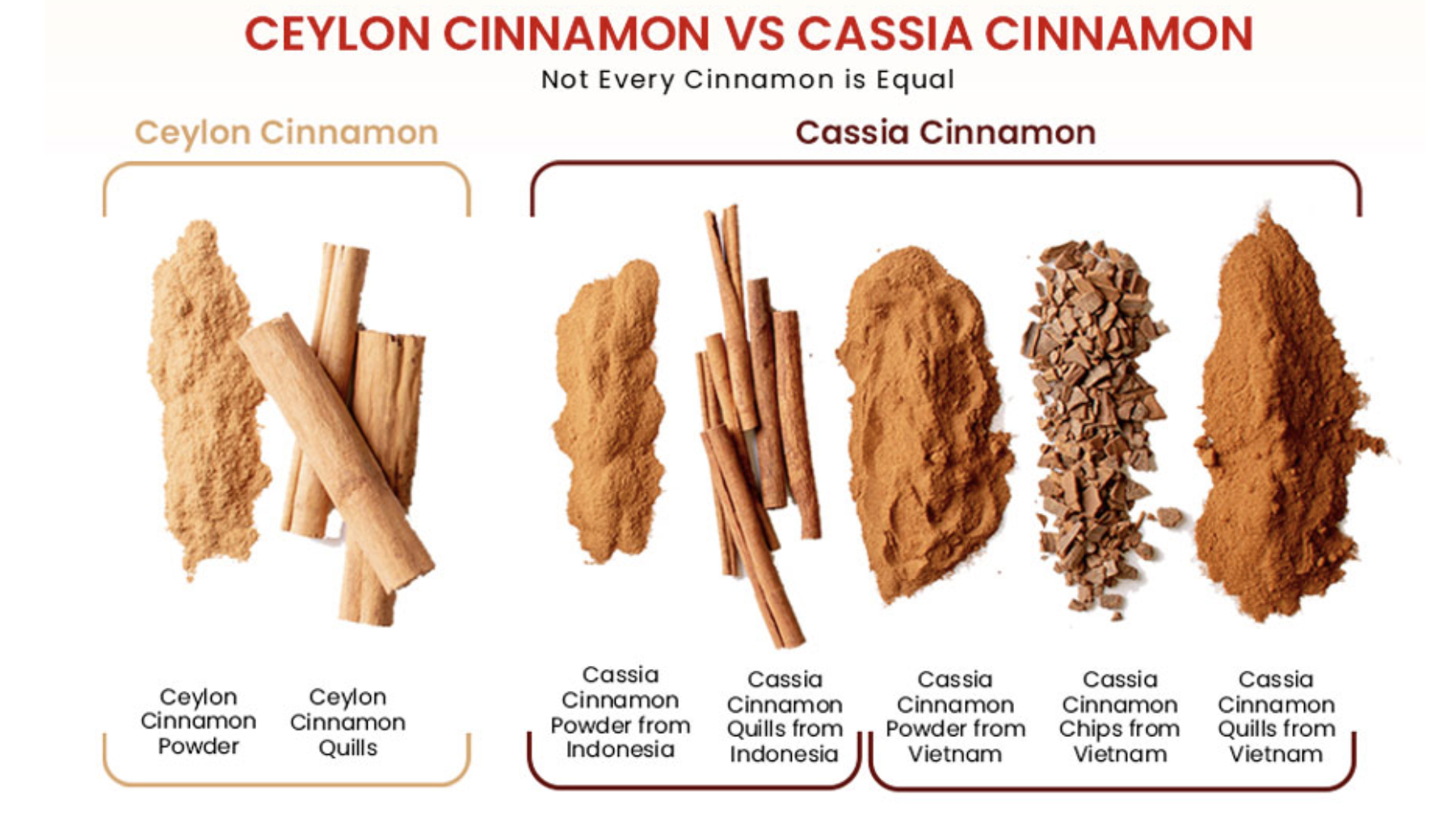
Visual comparison of Cassia and Ceylon cinnamon sticks highlighting safer choices for long‑term use.

A blood sugar‑friendly breakfast bowl topped with Ceylon cinnamon, nuts, and berries.

A person planning meals and tracking blood sugar data while incorporating cinnamon into a daily routine.
FAQ: Cinnamon for Blood Sugar
1. Does cinnamon really work for lowering blood sugar?
Evidence from multiple randomized trials suggests that cinnamon can modestly lower fasting blood sugar and improve insulin resistance in people with prediabetes and type 2 diabetes. However, the effect size is small compared with standard medications, and results are inconsistent across studies, so it should be used as a supportive measure rather than a primary treatment. [pmc.ncbi.nlm.nih](https://pmc.ncbi.nlm.nih.gov/articles/PMC3924990/)
2. How much cinnamon should you take per day for blood sugar?
Clinical studies most often use between 1 and 3 grams of ground cinnamon or 120 to 500 mg of standardized extract per day, typically with meals. Starting at the lower end and gradually increasing while monitoring blood sugar and side effects is a sensible approach, ideally under guidance from your healthcare provider. [alibaba](https://www.alibaba.com/product-insights/cinnamon-dosage-for-blood-sugar-daily-amounts-that-work.html)
3. Which type of cinnamon is safest for long‑term blood sugar support?
Ceylon cinnamon is considered safer for long‑term daily use because it contains about 250 times less coumarin than Cassia cinnamon, dramatically reducing the risk of liver toxicity. If you regularly consume more than 1–2 g of cinnamon most days of the week, choosing Ceylon or a low‑coumarin extract is the safer strategy. [medicinenet](https://www.medicinenet.com/ceylon_vs_cassia_cinnamon_differences/article.htm)
4. Can you stop your diabetes medication if you use cinnamon?
No, you should never stop or reduce your diabetes medication without explicit guidance from your healthcare professional. Cinnamon’s effect is modest and not sufficient to replace proven treatments such as metformin, insulin, or GLP‑1 receptor agonists. If cinnamon does improve your numbers, your clinician can safely adjust medications based on regular monitoring. [who](https://www.who.int/news/item/13-11-2024-urgent-action-needed-as-global-diabetes-cases-increase-four-fold-over-past-decades)
5. How long does it take for cinnamon to affect blood sugar?
Most studies run for 8–12 weeks, and benefits usually appear after several weeks of consistent daily use rather than immediately. You may notice small improvements in fasting blood sugar sooner, but long‑term markers like HbA1c require at least 3 months to change. [tonum](https://tonum.com/blogs/useful-knowledge/how-much-cinnamon-per-day-to-lower-blood-sugar-powerful-practical-guide)
6. Are there people who should avoid cinnamon supplements?
People with known liver disease, those on hepatotoxic medicines, pregnant or breastfeeding women, and anyone taking multiple blood sugar–lowering drugs should be especially cautious with high‑dose cinnamon supplements. In these cases, medical advice is essential before adding cinnamon in more than normal food amounts. [healthline](https://www.healthline.com/nutrition/ceylon-vs-cassia-cinnamon)
7. Is cinnamon tea enough to lower blood sugar?
Cinnamon tea can contribute some active compounds but usually delivers lower doses than the 1–3 g of powder used in most clinical trials. You can still include cinnamon tea as part of your routine, but for measurable blood sugar effects, you will likely need consistent dietary use or standardized supplements as part of a comprehensive plan. [healthline](https://www.healthline.com/nutrition/cinnamon-and-diabetes)
8. Can cinnamon help prevent diabetes if you have prediabetes?
Some evidence shows that cinnamon can improve fasting blood sugar and insulin resistance in people with prediabetes, which are important risk factors for developing type 2 diabetes. Still, weight management, physical activity, and a balanced diet remain the most powerful tools for diabetes prevention, and cinnamon should be a secondary support rather than the main strategy. [who](https://www.who.int/news/item/13-11-2024-urgent-action-needed-as-global-diabetes-cases-increase-four-fold-over-past-decades)
Conclusion
Cinnamon for blood sugar does really work—but only to a modest degree and mainly as a supportive tool within a broader diabetes or prediabetes management plan. Evidence from randomized trials and reviews shows meaningful but limited improvements in fasting blood sugar and insulin resistance, with less consistent effects on HbA1c. [alibaba](https://www.alibaba.com/product-insights/cinnamon-dosage-for-blood-sugar-daily-amounts-that-work.html)
If you decide to use cinnamon, aim for 1–3 g of mostly Ceylon cinnamon daily, track your blood sugar, and keep your healthcare team informed so that medications and lifestyle plans stay aligned. Above all, remember that no single spice—no matter how promising—can replace the proven impact of mindful nutrition, physical activity, medication adherence, and regular monitoring as part of a Vision 2030‑style approach to long‑term metabolic health. [medicinenet](https://www.medicinenet.com/ceylon_vs_cassia_cinnamon_differences/article.htm)
Take Your Next Step: Smart Cinnamon Use for Blood Sugar
Create Your Personal Cinnamon Game Plan
If you are curious about using cinnamon for blood sugar, start by talking with your healthcare professional about a safe trial using 1–3 g of Ceylon cinnamon daily for 8–12 weeks.
During this time, monitor your fasting and post‑meal blood sugar, keep a simple food and activity log, and review the results together to decide whether cinnamon deserves a permanent place in your routine.
To deepen your understanding, you can also read additional resources such as Healthline’s guide on cinnamon and diabetes and the IDF Diabetes Atlas global data, or explore practical dosing insights from recent clinical summaries like this detailed dosing guide. [diabetesatlas](https://diabetesatlas.org/data-by-location/global/)
Tags
cinnamon for blood sugar, cinnamon and diabetes, Ceylon cinnamon, Cassia cinnamon, natural blood sugar support, insulin resistance, prediabetes, type 2 diabetes, herbal supplements, Vision 2030 health


0 Comments