
Hajj Health Kit: Essential Herbal Remedies Every Pilgrim Needs
Meta Description: Discover how to build a safe, effective Hajj health kit with essential herbal remedies to protect yourself from heat, fatigue, coughs, digestion issues, and stress during pilgrimage.
Every year, millions of Muslims travel to Makkah for Hajj, facing intense heat, long walks, crowded spaces, and unfamiliar food that can challenge your health and energy. Recent reports show that upper respiratory infections account for around 45% of medical diagnoses among pilgrims, while heat-related illnesses and exhaustion remain serious risks during the hottest days of Hajj. In 2024, temperatures in Makkah exceeded 50°C, and over 1,300 pilgrims died due to heat-related complications, highlighting how vital preparation has become for every pilgrim. When you build a smart Hajj health kit that includes the right herbal remedies, you give yourself natural tools to support your body, reduce discomfort, and stay focused on worship. In this guide, you will learn exactly which herbal remedies to pack, how to use them safely, and how to combine them with modern medical advice so that your Hajj is healthier, calmer, and spiritually deeper. [en.wikipedia](https://en.wikipedia.org/wiki/2024_Hajj_extreme_heat_disaster)
Table of Contents
- Why a Hajj Health Kit Matters in 2026
- Understanding Health Risks During Hajj
- Primary Herbal Remedies Every Pilgrim Should Pack
- How to Pack and Organize Your Hajj Health Kit
- Real-Life Use Cases for Pilgrims Worldwide
- Table: Herbal vs Conventional Hajj Remedies
- Future Trends: Hajj Health, Climate, and Vision 2030
- Frequently Asked Questions (FAQ)
- Conclusion
- Call to Action
- Tags
Why a Hajj Health Kit Matters in 2026
When you prepare a Hajj health kit with essential herbal remedies, you are not only packing items; you are protecting your ibadah from avoidable interruptions, clinic visits, and unnecessary stress. Heat, fatigue, coughs, digestion problems, and sleep disturbances can easily disturb your focus if you travel unprepared. [pubmed.ncbi.nlm.nih](https://pubmed.ncbi.nlm.nih.gov/41835210/)
Studies from recent Hajj seasons show that upper respiratory tract infections, gastrointestinal issues, dermatitis, headaches, and musculoskeletal pain are among the most frequent reasons pilgrims visit clinics, especially in areas like Mina, Arafat, and Muzdalifah. When you carry a small but powerful herbal health kit, you can respond quickly to early symptoms, support your immune system, and stay more comfortable as you move between rituals. [applications.emro.who](https://applications.emro.who.int/imemrf/Int_J_Endorsing_Health_Sci_Res/Int_J_Endorsing_Health_Sci_Res_2015_3_2_16_17.pdf)
Tip: Think of your Hajj health kit as your personal “first line of defense” so that minor problems never grow into major issues that distract you from dua and dhikr.
Understanding Health Risks During Hajj
Before you choose herbal remedies for your Hajj health kit, you need to understand which health risks are most common in the holy sites. This helps you select herbs that match real-life challenges instead of guessing or overpacking.
Most Common Health Issues During Hajj
- Upper respiratory infections (colds, sore throat, cough) – nearly 45–50% of diagnoses in some Hajj studies. [applications.emro.who](https://applications.emro.who.int/imemrf/Int_J_Endorsing_Health_Sci_Res/Int_J_Endorsing_Health_Sci_Res_2015_3_2_16_17.pdf)
- Heat exhaustion and heat stroke, especially during long outdoor rituals under extreme temperatures above 50°C. [pmc.ncbi.nlm.nih](https://pmc.ncbi.nlm.nih.gov/articles/PMC11149718/)
- Musculoskeletal pain from walking 10,000–20,000 steps per day, often on hard surfaces and slopes. [sciencedirect](https://www.sciencedirect.com/science/article/pii/S305045622400004X)
- Gastrointestinal problems such as diarrhea, indigestion, and bloating due to sudden changes in food and water. [pubmed.ncbi.nlm.nih](https://pubmed.ncbi.nlm.nih.gov/41835210/)
- Skin irritation and rashes from heat, sweat, and friction in crowded areas. [applications.emro.who](https://applications.emro.who.int/imemrf/Int_J_Endorsing_Health_Sci_Res/Int_J_Endorsing_Health_Sci_Res_2015_3_2_16_17.pdf)
- Headaches, fatigue, and sleep disruption due to noise, travel stress, and time-zone changes. [pmc.ncbi.nlm.nih](https://pmc.ncbi.nlm.nih.gov/articles/PMC12985899/)
In 2024, a study found that nearly half of primary care visits during Hajj were related to respiratory infections, with dermatitis, headaches, gastrointestinal disorders, and musculoskeletal issues making up a significant share of the rest. At the same time, separate research highlighted the increasing climate-related risks, making heat illness prevention more important than ever for your health strategy. [arabnews](https://www.arabnews.com/node/2527281/saudi-arabia)
Note: Herbal remedies will not replace essential items like rehydration salts, any prescribed medication, or urgent medical care, but they can complement standard Hajj medical advice and give you gentle, supportive options.
Primary Herbal Remedies Every Pilgrim Should Pack
In your Hajj health kit, you should focus on a small, carefully chosen set of herbal remedies that cover heat, immunity, digestion, respiratory comfort, pain, and sleep. This keeps your bag light but powerful.
1. Herbal Support for Heat and Hydration
Heat-related illnesses have been one of the deadliest risks for pilgrims, especially during years of high temperatures and crowded conditions. While you must follow official guidance (shade, rest, hydration), certain herbs can support your body’s response to heat. [academic.oup](https://academic.oup.com/jtm/article/31/6/taae096/7712791)
- Electrolyte herbal infusion (mint, fennel, a pinch of salt and sugar) to encourage drinking and gentle digestion.
- Hibiscus tea sachets (if medically appropriate for you) for a refreshing, vitamin-rich drink that can be enjoyed cold.
- Coriander seeds, lightly crushed and soaked in water, traditionally used in some cultures for cooling support.
Use these herbal drinks alongside official oral rehydration salts, not instead of them, especially if you develop signs of dehydration such as dizziness, dark urine, or rapid heartbeat.
Suggested Image #1: Pilgrim drinking herbal infusion under shade
Use an image showing a pilgrim with a reusable bottle, drinking a light-colored herbal drink in a shaded area near the Grand Mosque.

Recommended size: 1000–1200px width for blog layouts; optimized alt text and title help this image appear in Google Images for queries related to Hajj health kit and herbal hydration.
2. Immune Support During Hajj
With millions of people from over 100 countries gathering in one place, your immune system works under heavy pressure, especially in tents and buses where air circulation is limited. [pmc.ncbi.nlm.nih](https://pmc.ncbi.nlm.nih.gov/articles/PMC12985899/)
- Black seed (Nigella sativa) capsules or oil, widely used in Muslim cultures as a general immune-supportive supplement (always respect your dose and any medical advice).
- Vitamin C–rich herbs such as rosehip or acerola-based teas that you can drink warm at night.
- Honey sachets (technically not a herb but a natural product) for throat soothing and energy; choose individually packed portions.
- Probiotic-rich herbal blends or tablets to support gut immunity during sudden dietary changes.
If you already take prescription medications or have chronic conditions, discuss any immune-supportive herbs with your doctor several weeks before departure, especially if you are older or managing multiple diseases, which are common among Hajj pilgrims. [sciencedirect](https://www.sciencedirect.com/science/article/pii/S305045622400004X)
3. Herbal Respiratory Relief for Pilgrims
Respiratory complaints, including cough, sore throat, and congestion, are consistently the most common problems reported by pilgrims visiting health facilities. [pubmed.ncbi.nlm.nih](https://pubmed.ncbi.nlm.nih.gov/41835210/)
- Thyme and licorice lozenges for soothing dry or irritated throats (avoid licorice if you have uncontrolled hypertension or are pregnant).
- Steam inhalation sachets with eucalyptus or peppermint oil (a few drops in hot water, inhaled carefully from a safe distance).
- Honey and lemon powder sticks that can be mixed with warm water to calm mild coughs.
- Saline nasal spray (not herbal, but very useful) combined with gentle herbal teas to keep mucous membranes comfortable.
Always wear a mask in crowded indoor buses or tents when recommended by health authorities, and remember that herbal remedies support but do not replace respiratory hygiene or vaccinations advised by your doctor and official Hajj guidance. [islam](https://islam.ca/documents/hajj/hajj_medical_advice.pdf)
Suggested Image #2: Herbal lozenges and mask in a Hajj kit
Use an image showing herbal throat lozenges, a face mask, and small bottles of essential oil arranged next to Ihram or a prayer mat.
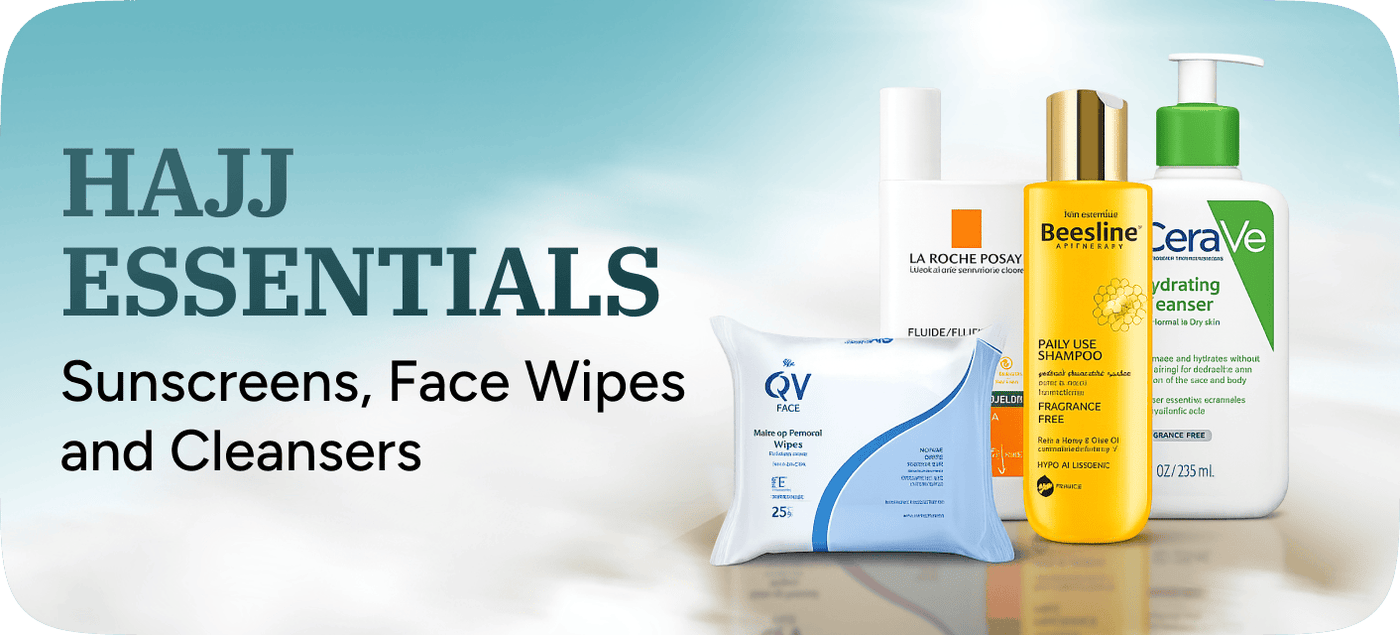
Recommended size: about 1000px width to display clearly on both desktop and mobile without slowing loading speed.
4. Natural Digestion Support for Pilgrims
New foods, unusual meal timings, and long walks can trigger indigestion, gas, or bowel changes, leading many pilgrims to seek quick relief in clinics and pharmacies. [pubmed.ncbi.nlm.nih](https://pubmed.ncbi.nlm.nih.gov/41835210/)
- Ginger capsules or tea sachets to help with nausea, motion sickness, and mild digestive discomfort.
- Fennel seeds (chewed after meals or brewed) to ease bloating and gas.
- Peppermint tea bags to relax the digestive tract and provide a calming warm drink after long days.
- Chamomile tea for gentle support with both digestion and sleep, useful for night-time routines in Mina or Muzdalifah.
Remember that persistent vomiting, severe abdominal pain, or bloody diarrhea require immediate medical care, not just herbal tea, especially in the intense Hajj environment where dehydration can escalate quickly. [moh.gov](https://www.moh.gov.sa/awarenessplateform/SeasonalAndFestivalHealth/Documents/004.pdf)
5. Herbal Support for Muscles, Joints, and Fatigue
Rituals such as Tawaf and Sa’i, along with repeated walks between camps and holy sites, create significant strain on your feet, knees, and back, especially if you are not used to daily long-distance walking. [sciencedirect](https://www.sciencedirect.com/science/article/pii/S305045622400004X)
- Arnica-based cream or gel for topical relief of minor muscle aches and bruises.
- Capsicum or menthol herbal rubs to warm and soothe tired muscles (avoid on broken skin).
- Magnesium and herbal bath salts in small sachets (for use if your accommodation has a bathtub or foot bath; never in public facilities).
- Green tea or matcha sachets for mild energy support in the morning, instead of relying only on strong coffee or energy drinks.
Try to start walking training and gentle stretching 6–8 weeks before Hajj so that herbal creams become a supplement to your physical preparation, not the only solution to pain.
6. Sleep, Calmness, and Emotional Balance
Many pilgrims struggle with sleep due to tents, crowded rooms, and the excitement of worship, which can reduce your immunity and increase irritability or headaches. [pmc.ncbi.nlm.nih](https://pmc.ncbi.nlm.nih.gov/articles/PMC12985899/)
- Lavender essential oil (a few drops on a tissue near your pillow, never directly on skin if you are sensitive).
- Chamomile or lemon balm tea 30–60 minutes before sleep to support relaxation.
- Valerian-based herbal tablets if recommended by your doctor for short-term sleep support.
- Rhodiola or ashwagandha (after medical advice) for stress adaptation during travel and crowding.
A well-prepared Hajj health kit with essential herbal remedies allows you to protect your body gently while your heart and mind stay focused on worship.
Suggested Image #3: Calm pilgrim resting with tea
Use an image of a pilgrim holding a cup of herbal tea in a calm, simple room with a prayer mat nearby, symbolizing rest and spiritual focus.

Recommended size: 1000px width with compressed file size for fast mobile loading.
How to Pack and Organize Your Hajj Health Kit
Once you know which herbal remedies you need, you should organize them into a compact, easy-to-carry Hajj first aid kit. This helps you access what you need quickly during Tawaf, in Mina tents, or while traveling between sites.
Essential Categories for Your Kit
- Heat and hydration support (herbal drinks, salts, cooling herbs).
- Respiratory and throat care (lozenges, inhalation oils, honey sticks).
- Digestion and gut support (ginger, fennel, chamomile sachets).
- Muscle and joint comfort (creams, rubs, small massage tools).
- Sleep and emotional balance (herbal teas, calming tablets after advice).
- Basic hygiene and non-herbal essentials (unscented soap, mask, sanitizer, band-aids, etc.). [alsalammasjid](https://www.alsalammasjid.org/wp-content/uploads/2019/10/Umrah-Checklist.pdf)
Tip: Use small, labeled zip bags or travel containers for each category. Label them clearly: “Heat”, “Cough”, “Stomach”, “Sleep”, so that you can find what you need even when tired.
Sample Hajj Herbal Health Checklist
- 10–15 herbal tea sachets (mix of ginger, peppermint, chamomile, hibiscus).
- 10–20 herbal lozenges for throat and cough.
- Small bottle (10–15 ml) of lavender or peppermint essential oil.
- 1–2 herbal muscle creams (arnica or menthol-based).
- Black seed capsules (enough for your full trip, after doctor’s approval).
- Honey sachets and vitamin C–rich herbal powders.
- Electrolyte sachets and a light herbal infusion recipe card.
Suggested Image #4: Organized Hajj health kit flat lay
Use an image of a flat lay showing labeled pouches, herbal sachets, ointments, and a reusable bottle arranged neatly with Ihram garments.

Recommended size: 1000–1200px width; keep the file compressed for mobile users.
Real-Life Use Cases for Pilgrims Worldwide
To make your Hajj preparation practical, consider how a Hajj health kit with essential herbal remedies supports different types of pilgrims from various regions.
Case Study 1: Elderly Pilgrim from Europe
An elderly pilgrim with mild hypertension and joint pain travels from a cool European climate to the intense heat of Makkah. His doctor approves low-dose black seed, ginger tea, and arnica cream alongside regular medication. During Hajj, he uses herbal teas in the evenings to improve digestion, applies arnica after long walks, and drinks hibiscus and electrolyte mixtures to stay hydrated, significantly reducing clinic visits.
Case Study 2: Young Pilgrim from Southeast Asia
A young, generally healthy pilgrim from Southeast Asia is used to humidity but not to dry desert heat. She packs peppermint tea, fennel seeds, and chamomile, plus honey sachets and saline spray. When she experiences a mild cough and sore throat in Mina due to dust and crowding, she uses a combination of herbal lozenges, saline spray, and warm chamomile with honey, while also wearing a mask and drinking more water, helping her recover quickly and avoid stronger medication.
Case Study 3: Middle-Aged Pilgrim with Busy Schedule
A middle-aged pilgrim who works long hours sits most of the year and has little time to exercise. Before Hajj, he begins walking training and uses magnesium and herbal baths once per week to prepare his muscles. During Hajj, he relies on menthol rub, ginger tea, and sleep-support herbs to manage fatigue, allowing him to complete all rituals with fewer aches and more focus on dua.
Table: Herbal Remedies vs Conventional Hajj Remedies
The following table helps you compare common herbal options with conventional medicines so that you can choose a balanced approach that fits your health needs and medical advice.
| Health Need | Herbal Option | Conventional Option | When to Prefer |
|---|---|---|---|
| Mild sore throat | Thyme/licorice lozenges, honey-lemon tea | Medicated lozenges, mild pain relievers | Start with herbal; add conventional if pain persists or worsens |
| Mild heat exhaustion | Hibiscus, mint tea, coriander water | Oral rehydration salts, cooling sprays | Use both, seek urgent care if symptoms severe |
| Indigestion / gas | Ginger, fennel, peppermint tea | Antacids, anti-gas tablets | Start with herbal and dietary changes, add medicine if needed |
| Muscle pain | Arnica gel, menthol rubs | Pain relief gels, oral pain killers | Herbal for mild aches; medical pain relief for moderate–severe pain |
| Sleep difficulty | Chamomile, lavender, valerian | Prescription sleep aids (only if prescribed) | Prefer herbal; use prescription only under strict medical supervision |
Future Trends: Hajj Health, Climate, and Vision 2030
Climate research shows that global temperatures are rising, and heatwaves are becoming more frequent and intense, which directly affects the safety of outdoor rituals in Hajj. Even though Saudi Arabia has reduced heat-related deaths and strokes significantly over the last 40 years through cooling infrastructure and medical services, the 2024 season reminded the world that climate risks are still evolving. [en.wikipedia](https://en.wikipedia.org/wiki/2024_Hajj_extreme_heat_disaster)
As part of wider national strategies such as Vision 2030, authorities continue to invest in smarter health monitoring, crowd management, and cooling technologies around the holy sites, while encouraging pilgrims and tour operators to adopt better preparation and health education. In this context, your personal Hajj health kit with essential herbal remedies becomes a practical, future-ready response, helping you adapt to changing conditions while benefiting from improved infrastructure and medical support. [arabnews](https://www.arabnews.com/node/2527281/saudi-arabia)
Suggested Image #5: Modern Hajj infrastructure and pilgrims
Use an image of pilgrims walking under cooling mist systems or shaded walkways near the Grand Mosque, representing modern safety measures.

Recommended size: 1000–1200px width; combine with compressed file formats for fast loading.
Internal and External Resources for Hajj Health
You can deepen your understanding by combining this guide with reliable digital resources that offer practical checklists and official medical advice.
- Comprehensive Hajj packing checklist (internal link suggestion)
- How to stay hydrated during Hajj (internal link suggestion)
- Dua and mental wellbeing in Hajj (internal link suggestion)
- Saudi Ministry of Health – General Guide for Hajj and Umrah Health (PDF) [moh.gov](https://www.moh.gov.sa/awarenessplateform/SeasonalAndFestivalHealth/Documents/004.pdf)
- Climate-related health risks for Hajj pilgrims – Research article [pmc.ncbi.nlm.nih](https://pmc.ncbi.nlm.nih.gov/articles/PMC11149718/)
- Disease burden and healthcare use among pilgrims – Recent study [pmc.ncbi.nlm.nih](https://pmc.ncbi.nlm.nih.gov/articles/PMC12985899/)
Note: Internal links above are suggestions; you can adjust the URLs to match your existing Hajj content in Blogger for stronger SEO and GEO performance.
Frequently Asked Questions (FAQ)
1. Is a Hajj health kit with herbal remedies really necessary if I am healthy?
Even if you are generally healthy, a Hajj health kit with essential herbal remedies is highly recommended because Hajj exposes you to extreme heat, long walks, crowded spaces, and new foods all at once. Herbal remedies can help you manage minor issues such as cough, indigestion, or fatigue before they become serious enough to interrupt your worship or require multiple clinic visits. [pmc.ncbi.nlm.nih](https://pmc.ncbi.nlm.nih.gov/articles/PMC11149718/)
2. Can I replace all conventional medicine with herbal remedies during Hajj?
No, you should never replace prescribed medication or essential items like oral rehydration salts with herbs alone, especially if you have chronic conditions such as diabetes, heart disease, or hypertension. Herbal remedies are best used as a complementary strategy for comfort and prevention while you continue to follow medical advice from your doctor and the official Hajj health authorities. [moh.gov](https://www.moh.gov.sa/awarenessplateform/SeasonalAndFestivalHealth/Documents/004.pdf)
3. Are herbal remedies allowed in Saudi Arabia during Hajj?
In general, small amounts of common herbal products such as tea bags, capsules, and ointments for personal use are widely used by pilgrims without issues, but you should avoid carrying large commercial quantities or any restricted substances. It is wise to keep herbs in original packaging with labels and, when in doubt, ask your travel operator or embassy about any new regulations before departure. [islam](https://islam.ca/documents/hajj/hajj_medical_advice.pdf)
4. Which herbal remedies are most important for older pilgrims?
For older pilgrims, especially those over 60, priorities usually include gentle digestive support (ginger, chamomile), respiratory comfort (herbal lozenges, saline spray), muscle and joint creams, and sleep-support teas. However, every herb should be reviewed with a doctor to avoid interactions with blood pressure medicine, blood thinners, or diabetes treatment. [sciencedirect](https://www.sciencedirect.com/science/article/pii/S305045622400004X)
5. How early should I start preparing my Hajj health kit?
Ideally, you should start preparing your Hajj health kit 6–8 weeks before departure so you have time to get medical advice, test how your body responds to new herbal products, and adjust dosages if necessary. This period also allows you to build walking stamina and hydration habits that will work together with your herbal remedies during Hajj. [islam](https://islam.ca/documents/hajj/hajj_medical_advice.pdf)
6. What signs mean I should stop using herbs and see a doctor immediately?
You should seek urgent medical care if you experience high fever, chest pain, difficulty breathing, confusion, signs of stroke, severe dehydration, persistent vomiting, or any sudden serious symptom, instead of relying on herbal remedies. In the Hajj environment, early medical evaluation can save your life, especially when heat and physical stress are involved. [moh.gov](https://www.moh.gov.sa/awarenessplateform/SeasonalAndFestivalHealth/Documents/004.pdf)
Conclusion
A well-planned Hajj health kit with essential herbal remedies gives you a powerful way to care for your body while your heart is focused on Allah. By understanding real Hajj health risks, choosing targeted herbal support, and combining it with modern medical guidance and official safety measures, you prepare yourself for a safer, calmer, and more spiritually intense pilgrimage.
As climate change and large crowds continue to shape the Hajj experience, smart, holistic preparation becomes part of your amanah to protect your health, allowing you to make the most of every step, dua, and moment in the holy lands. [arabnews](https://www.arabnews.com/node/2527281/saudi-arabia)
Prepare Your Hajj Health Kit Today
You now have a clear, practical blueprint for building your own Hajj health kit with essential herbal remedies. Take the next step today: list the items you need, speak to your doctor about any medical conditions, and start gathering your herbal teas, lozenges, creams, and hydration tools. By the time you depart, you will feel confident that you are doing your best to protect your health and honor this once-in-a-lifetime journey.
Tags
Hajj health kit, herbal remedies for Hajj, Hajj first aid kit, Hajj heat protection tips, natural Hajj medicine, immune support during Hajj, Hajj travel wellness, Hajj herbal health checklist, holistic Hajj preparation, Hajj 2030 vision


0 Comments