
Herbal Remedies for Cold and Flu: What the Evidence Says
Herbal remedies for cold and flu are popular across Saudi Arabia, especially during seasonal temperature changes, school terms, travel periods, and winter gatherings. Many people turn to ginger tea, honey, lemon, black seed, echinacea, elderberry, steam, and warm fluids before visiting a clinic. But the key question is simple: which natural cold remedies are supported by evidence, and which claims are exaggerated? This guide gives you a clear, professional, and practical review of what research says about herbal remedies for cold and flu. You will learn which options may ease cough, sore throat, congestion, and fatigue, when supplements may be risky, and when flu symptoms need medical care. The goal is not to replace your doctor, pharmacist, vaccination, or prescribed antiviral medicine. Instead, it helps you make safer decisions, choose realistic home support, and avoid misleading “miracle cure” claims while staying aligned with modern preventive health practices in Saudi Arabia.

Suggested placement: hero image after the introduction. Ideal size: 1200px wide. Description: warm ginger and lemon tea visually supports the topic of evidence-based herbal remedies for cold and flu.
Clickable Table of Contents
Quick Answer: What the Evidence Says
The best-supported herbal and natural remedies for cold symptoms are not dramatic cures. They are supportive tools. Honey may help soothe nighttime cough in adults and children over one year old. Warm ginger tea may comfort the throat and support hydration, although evidence for shortening illness is limited. Zinc lozenges may shorten common cold symptoms when started within 24 hours, but they are not herbal and can cause side effects.
Echinacea has mixed evidence. Some products may offer a small preventive effect, but results vary because echinacea supplements differ by plant species, plant part, dose, and manufacturing quality. Elderberry has preliminary evidence for upper respiratory symptoms, but trusted health agencies caution that the evidence is not conclusive and raw or unripe elderberries can be toxic.
Evidence-based takeaway: Herbal remedies for cold and flu may help comfort symptoms, but no complementary approach has been proven to prevent flu or replace vaccination, medical care, or prescribed antivirals for high-risk patients.
Tip: If you are in Saudi Arabia and flu symptoms start suddenly with fever, body aches, severe fatigue, or breathing difficulty, do not rely only on herbal remedies. Speak with a doctor or pharmacist promptly, especially if you are pregnant, elderly, immunocompromised, or living with asthma, diabetes, heart disease, or another chronic condition.
Cold vs Flu: Why the Difference Matters
A common cold usually develops gradually. Symptoms often include runny nose, sneezing, mild sore throat, cough, and tiredness. The CDC notes that adults average two to three colds per year, while children often have more.
Flu is usually more intense. The World Health Organization estimates around one billion seasonal influenza cases annually, including 3 to 5 million severe cases and 290,000 to 650,000 respiratory deaths. Flu symptoms may include sudden fever, dry cough, headache, muscle pain, severe tiredness, sore throat, and runny nose.
This difference matters because flu can become serious. The CDC explains that prescription antiviral drugs work best when started within one to two days after flu symptoms begin and may shorten illness. Herbal remedies can sit beside proper care, but they should not delay it.
Evidence Comparison Table: Herbal Remedies for Cold and Flu
| Remedy | Best Use | Evidence Summary | Safety Notes |
|---|---|---|---|
| Honey | Night cough and throat soothing | Small studies and reviews suggest benefit for cough relief. | Never give honey to children under 12 months. |
| Ginger tea | Warm fluid, throat comfort, nausea support | Useful for comfort and hydration, but limited evidence for shortening colds. | Use caution with reflux, blood thinners, or surgery plans. |
| Echinacea | Possible cold prevention support | Mixed results; some products may have weak effects. | Avoid if allergic to ragweed-related plants unless approved by a clinician. |
| Elderberry | Upper respiratory symptom support | Preliminary evidence only; not proven for flu prevention. | Raw or unripe elderberries and plant parts can be toxic. |
| Zinc lozenges | Early common cold symptoms | May reduce cold duration if started within 24 hours. | Avoid intranasal zinc; it has been linked to smell loss. |
Best-Supported Herbal and Natural Remedies
1. Honey for Cough and Sore Throat
Honey is one of the most practical flu home remedies for cough comfort. It coats the throat, tastes pleasant, and may reduce nighttime coughing. Research summarized by the National Center for Complementary and Integrative Health notes that parents rated honey favorably for children’s nighttime cough and sleep difficulty in upper respiratory infections.
For adults, a spoon of honey in warm water or tea may be soothing. For children, it must only be used after the first birthday because honey before 12 months can cause infant botulism. People with diabetes should consider the sugar content and ask a health professional for personal advice.
2. Ginger Tea for Cold Comfort
Ginger tea for cold symptoms is popular in Saudi homes because it is warm, affordable, and easy to prepare. Ginger contains bioactive compounds that may support digestive comfort and provide a warming sensation. However, the strongest benefit during a cold is often simple: warm fluids help hydration, soothe the throat, and encourage rest.
A practical cup can include fresh ginger slices, warm water, lemon, and a small amount of honey. This does not kill the virus, but it may make you feel more comfortable. If you have stomach irritation, take blood-thinning medicine, or are pregnant, ask a clinician before using concentrated ginger supplements.
Notice: A remedy that feels soothing is not automatically antiviral. Use warm herbal drinks for comfort, hydration, and symptom support, not as a replacement for diagnosis, vaccination, or antiviral treatment when flu risk is high.
3. Echinacea for Colds: Mixed Evidence
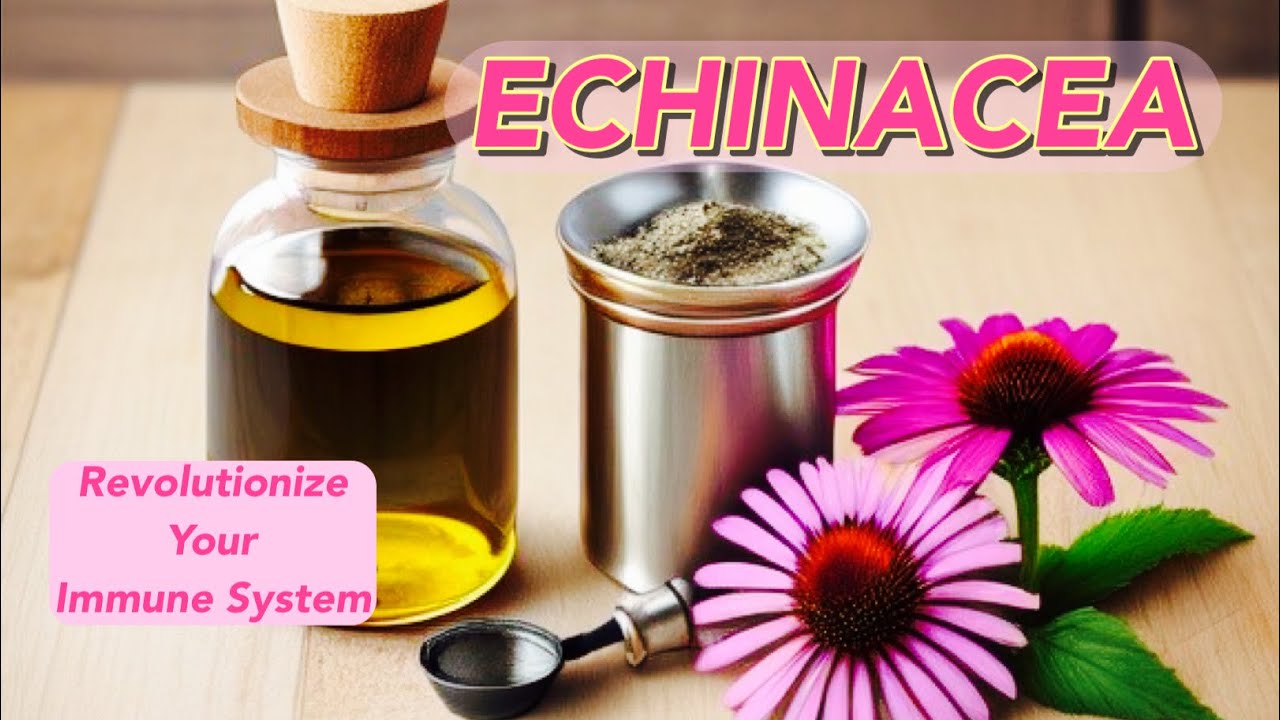
Suggested placement: inside the echinacea evidence section. Ideal size: 1000 to 1200px wide. Description: echinacea flowers illustrate a commonly researched herb for common cold support.
Echinacea is often marketed for immune support herbs and cold prevention. The evidence is mixed. NCCIH reports that echinacea may slightly reduce the chance of catching a cold, but it remains unclear whether it shortens cold duration. A major challenge is product variation. Different supplements may use different species, roots, aerial parts, extraction methods, and doses.
If you want to try echinacea, choose a reputable product, avoid combining multiple immune supplements without advice, and stop if you develop rash, itching, wheezing, or swelling. People with allergies to plants in the daisy family should be careful.
4. Elderberry for Flu Symptoms: Promising but Not Proven
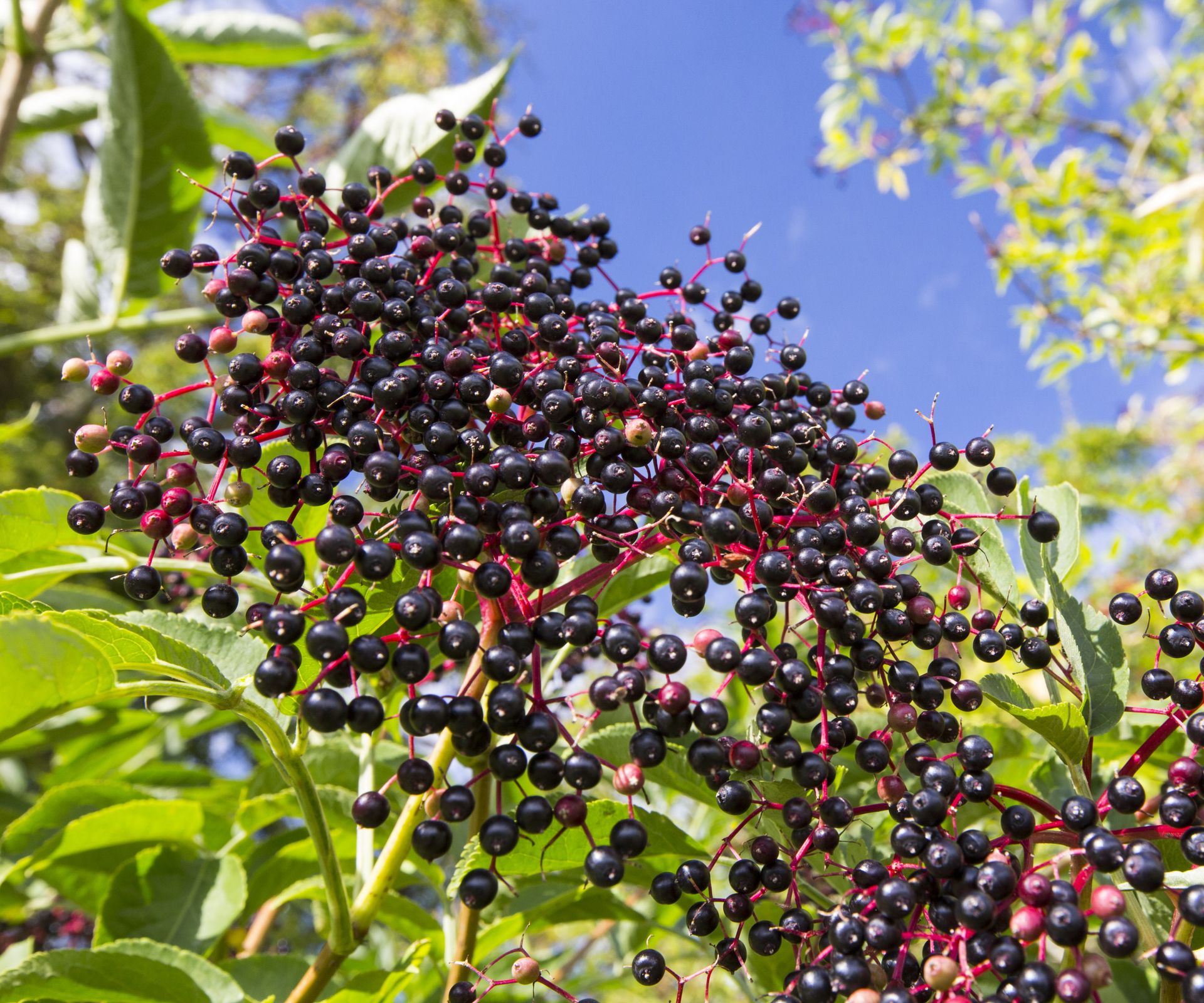
Suggested placement: inside the elderberry section. Ideal size: 1000 to 1200px wide. Description: elderberries are visually relevant for discussions about elderberry supplements and upper respiratory symptoms.
Elderberry for flu is widely discussed online, but the evidence is still developing. NCCIH says a small number of studies have evaluated elderberry for colds, flu, and other upper respiratory infections, and preliminary research suggests it may relieve symptoms. However, there is not enough evidence to prove broad health benefits or support exaggerated claims.
Safety matters. Raw or unripe elderberries, leaves, stems, and other parts of the plant contain substances that can cause nausea, vomiting, and severe diarrhea. Use only properly prepared products from trustworthy suppliers, and ask a healthcare professional if you take medication or have chronic illness.
5. Black Seed, Mint, and Traditional Drinks
Black seed, mint, anise, and warm herbal infusions are common in the region. They may provide comfort, pleasant aroma, and hydration. Some have interesting laboratory or traditional use data, but clinical evidence for treating cold or flu is not strong enough to call them cures.
Use them as supportive drinks, not as proof-based antiviral therapy. Keep portions moderate, avoid giving strong herbal preparations to infants, and be careful during pregnancy or while taking regular medicines.
Features and Benefits of an Evidence-Based Approach
- Better safety: You avoid risky combinations, unsafe dosing, and misleading online claims.
- Better timing: You know when home support is enough and when urgent care is needed.
- Better symptom control: Warm fluids, honey, rest, and pharmacist-approved options can improve comfort.
- Better family decisions: Parents can protect infants by avoiding honey under 12 months and checking fever warning signs.
- Better prevention: You combine healthy habits with vaccination, hygiene, sleep, and reliable medical advice.
Use Cases Focused on Saudi Arabia
Family Winter Illness in Riyadh or Jeddah
A parent notices mild sore throat, runny nose, and cough in an older child. A reasonable plan may include rest, fluids, saline spray, honey if the child is over one year old, and monitoring. If fever is high, breathing changes, dehydration appears, or symptoms worsen, medical care is needed.
Flu Symptoms Before Travel or Umrah
If symptoms begin suddenly with fever, body aches, chills, and severe fatigue, treat it as possible flu. Avoid crowded places while ill, wear a mask if you must be around others, and seek advice quickly if you are high-risk. Herbal remedies for cold and flu can support comfort, but delaying care can increase complications.
Office Outbreak During Saudi Arabia Flu Season
In offices, schools, and malls, prevention is more effective than any herbal plan. Wash hands, stay home when feverish, improve ventilation when possible, and consider annual influenza vaccination. The Saudi Ministry of Health has promoted access to seasonal flu vaccination through the Sehhaty app, especially for people at higher risk.
Practical 24-Hour Home Support Plan
- Start with fluids: Drink water, soup, or warm herbal tea to support hydration.
- Use honey wisely: Take honey for cough only if age and health status allow it.
- Rest early: Sleep supports immune function and helps reduce fatigue.
- Check symptoms: Sudden fever, chest pain, shortness of breath, confusion, dehydration, or worsening illness needs medical advice.
- Ask a pharmacist: Confirm whether zinc, echinacea, elderberry, or other supplements interact with your medicines.
Internal reading suggestions: Explore more wellness topics through Natural Remedies, Immune Support, Family Health, Saudi Health, and Contact Us.
Comprehensive Image SEO Plan
| Image | Ideal Placement | SEO Alt Text | Title and Size |
|---|---|---|---|
| Ginger lemon tea | After introduction | Herbal remedies for cold and flu with warm ginger lemon tea for cough relief | Warm Ginger Lemon Tea for Cold and Flu Support, 1200px wide |
| Echinacea flowers | Echinacea evidence section | Echinacea for colds evidence-based herbal remedies for cold and flu | Echinacea Flower Used in Cold Remedy Research, 1000 to 1200px wide |
| Elderberry plant | Elderberry section | Elderberry for flu symptoms evidence-based herbal remedies for cold and flu | Black Elderberry Berries for Evidence Review, 1000 to 1200px wide |
| Honey and tea setup | FAQ or conclusion | Honey for cough natural cold remedies and sore throat comfort | Honey Tea for Natural Cough Relief, 800 to 1200px wide |
Future Trends: Herbal Remedies, Digital Health, and Vision 2030
Saudi Arabia’s health future is moving toward prevention, digital access, better primary care, and patient education. The Health Sector Transformation Program supports a more effective and integrated system, with emphasis on prevention, quality, innovation, and digital health.
This matters for herbal remedies because the future will likely include better consumer education, pharmacist counseling, digital symptom checkers, improved labeling, and stronger awareness of supplement interactions. Instead of asking, “Which herb cures flu?” a better future-focused question is, “How can I combine safe self-care, vaccination, early medical advice, and evidence-based comfort measures?”
FAQ: Herbal Remedies for Cold and Flu
Do herbal remedies for cold and flu really work?
Some may help symptoms, but they do not cure the infection. Honey may help cough, warm ginger tea may soothe the throat, and zinc lozenges may shorten common cold duration when started early. For flu, no complementary approach has been proven to prevent or treat it reliably.
Does echinacea help with a common cold?
Echinacea has mixed evidence. Some studies suggest a small preventive effect, while others show limited or no meaningful benefit. Product quality varies widely, so results from one echinacea supplement may not apply to another.
Is elderberry effective for flu symptoms?
Elderberry has preliminary evidence for upper respiratory symptoms, but it is not proven as a reliable flu treatment. Use only properly prepared products, because raw or unripe elderberries and some plant parts can be toxic.
Is honey safe for children with cough?
Honey may help cough in children over one year old. It should never be given to infants under 12 months because of the risk of infant botulism. Parents should seek medical advice for breathing trouble, dehydration, persistent fever, or worsening symptoms.
What is the safest herbal drink for cold symptoms?
A simple warm drink made with water, ginger, lemon, and a small amount of honey is reasonable for many adults. Keep it moderate, avoid honey for infants, and ask a clinician about ginger if you take blood thinners, have reflux, or are pregnant.
When should I see a doctor for flu in Saudi Arabia?
Seek medical help quickly if symptoms are severe, sudden, or worsening, or if you have shortness of breath, chest pain, confusion, dehydration, persistent high fever, pregnancy, chronic disease, immune suppression, or older age. High-risk patients may benefit from prescription antivirals started early.
Conclusion: Use Herbal Remedies Wisely
Herbal remedies for cold and flu can be useful when you choose them realistically. Honey can soothe cough, ginger tea can support hydration and comfort, echinacea may have a small and uncertain role, and elderberry remains promising but not proven. Zinc lozenges are not herbal, but they have stronger evidence for shortening cold symptoms when used correctly and early.
The best plan is balanced: rest, fluids, symptom monitoring, safe home support, annual flu vaccination, pharmacist guidance, and timely medical care when symptoms suggest influenza or complications. For families in Saudi Arabia, this approach fits modern preventive health goals while respecting familiar home traditions.
Call to Action
If you found this evidence-based guide helpful, save it, share it with your family, and use it as a checklist before buying herbal supplements. For personalized advice, speak with a licensed doctor or pharmacist, especially if you are pregnant, caring for a young child, managing chronic disease, or taking daily medication.
Trusted External Sources
- NCCIH: Colds, Flu, and Complementary Health Approaches
- CDC: Treating Flu with Antiviral Drugs
- WHO: Seasonal Influenza Fact Sheet
Tags
Tags: herbal remedies for cold and flu, natural cold remedies, flu home remedies, honey for cough, ginger tea for cold, echinacea for colds, elderberry for flu, Saudi Arabia flu season, immune support herbs, evidence-based herbal remedies


0 Comments