
Nigella Sativa: Kalonji, Ancient Islamic Remedy and Modern Science for Saudi Wellness
Nigella Sativa, widely known as kalonji, black seed, black cumin, or the blessed seed, has a special place in Islamic wellness traditions and Middle Eastern homes. In Saudi Arabia, many families know it from kitchen shelves, herbal shops, and traditional remedies passed down through generations. Today, modern science is studying Nigella Sativa for its active compounds, especially thymoquinone, and for its potential role in general wellness, nutrition, and preventive health.
This article explains Nigella Sativa in a clear, evidence-aware way. You will learn what black seed is, why it is respected in Islamic tradition, what current studies suggest, how people in Saudi Arabia commonly use it, and what safety steps you should consider before using black seed oil or kalonji supplements. Nigella Sativa should not be treated as a miracle cure, but it is a meaningful example of how ancient remedies can be evaluated through modern research, quality standards, and responsible personal health choices.
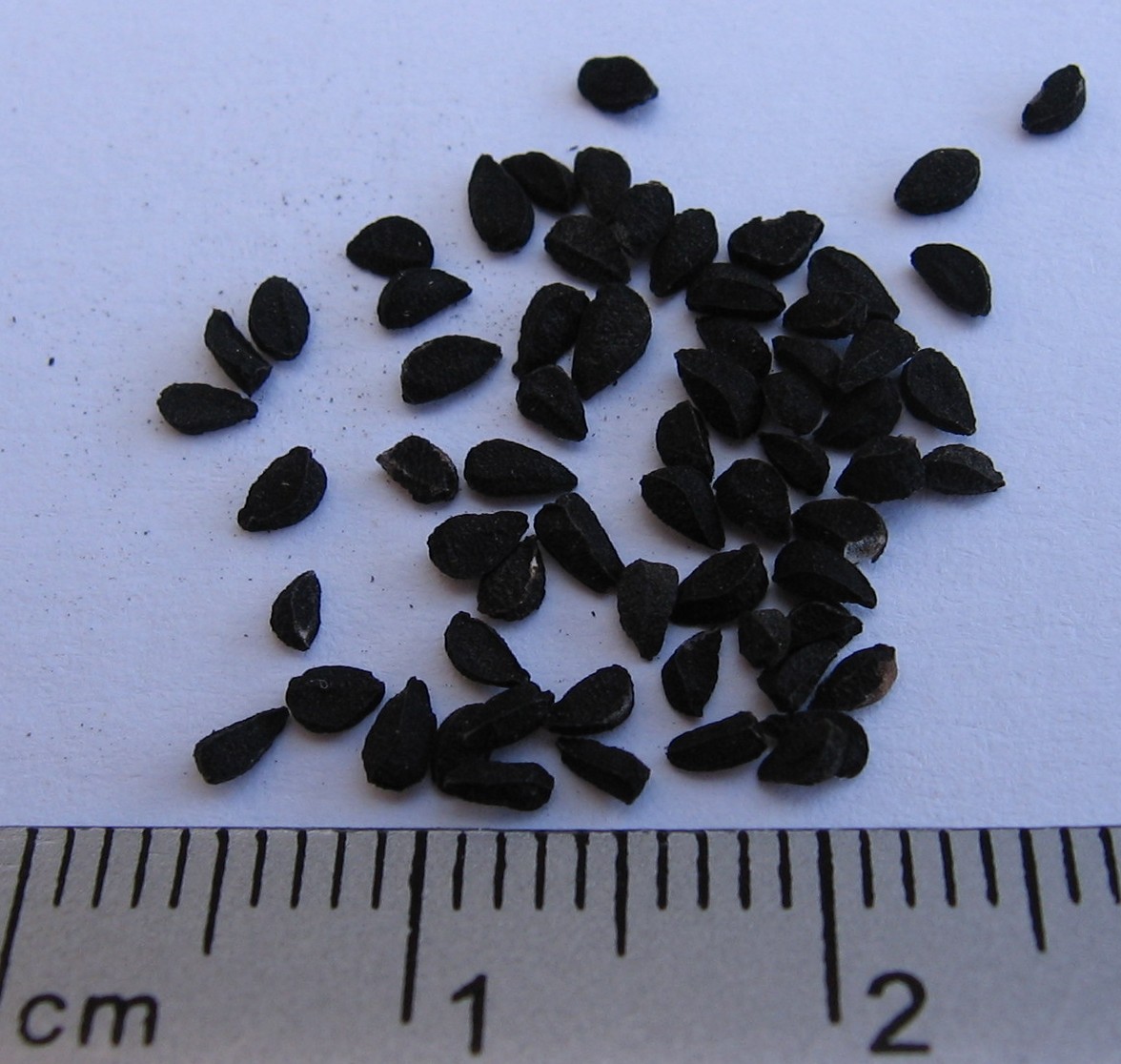
Table of Contents
What Is Nigella Sativa, Also Called Kalonji or Black Seed?
Nigella Sativa is a flowering plant whose small black seeds are used as a spice, food ingredient, and traditional wellness remedy. The seeds are dark, angular, and slightly bitter, with a warm peppery taste. In Saudi Arabia, people may call it black seed, kalonji, black cumin, or habbat al-barakah in daily conversation.
Botanically, Nigella Sativa belongs to the Ranunculaceae family. The seed is not the same as regular cumin used in Arabic cooking, even though the phrase “black cumin” is commonly used. This distinction matters because different plants have different compounds, safety profiles, and uses.
In food, Nigella Sativa seeds can be sprinkled on bread, mixed with honey, added to spice blends, or used in small amounts for flavor. Black seed oil is produced by pressing the seeds, often marketed as cold-pressed oil. Capsules are also available, usually for people who prefer measured servings.
Tip: When buying black seed oil in Saudi Arabia, look for a clear label, batch number, expiry date, storage instructions, and a reputable seller. Quality can vary between products, so do not choose based on strong marketing claims alone.
Nigella Sativa as an Ancient Islamic Remedy
Nigella Sativa is deeply connected with Islamic wellness culture. Many Muslims know the famous narration that refers to black seed as having healing value. This tradition is one reason black seed became respected across Muslim communities, including the Arabian Peninsula, Egypt, the Levant, South Asia, and North Africa.
Balanced perspective: Islamic tradition gives Nigella Sativa a meaningful place in heritage, but responsible use means combining respect for tradition with medical wisdom, product quality, and evidence-based safety.
For Saudi readers, this balanced view is especially important. Many families value traditional remedies, but Saudi healthcare is also moving toward prevention, digital health, and evidence-based care. Nigella Sativa can be appreciated as part of cultural heritage while still being used carefully, especially by people with chronic conditions, pregnant women, or those taking prescription medication.

Nigella Sativa and Modern Science: What Do Studies Suggest?
Modern research focuses on the compounds found in Nigella Sativa seeds and oil. The most discussed compound is thymoquinone, often shortened to TQ. Researchers study thymoquinone because it may contribute to antioxidant, anti-inflammatory, metabolic, and immune-related effects observed in laboratory and clinical research.
A clinical review published in the medical literature notes that black seed and thymoquinone have been studied in different human conditions, including metabolic syndrome and inflammatory disorders. However, the same research field also shows an important limitation: many studies are small, use different product forms, and vary in dose, duration, and quality. This means Nigella Sativa is promising, but not proven as a cure for disease.
The World Health Organization reports that traditional medicine remains important worldwide and that around 40% of pharmaceutical products today have a natural product basis. This does not mean every herb works as medicine. It means traditional knowledge can inspire useful research when studied carefully, standardized, and tested for safety and effectiveness.
For Saudi Arabia, this evidence-aware approach fits the direction of modern healthcare. The Health Sector Transformation Program under Saudi Vision 2030 emphasizes prevention, quality, innovation, and access to care. In that context, Nigella Sativa can be discussed as a traditional wellness ingredient, not as a replacement for professional diagnosis or prescribed treatment.
Notice: If you have diabetes, low blood pressure, liver disease, kidney disease, bleeding disorders, allergies, or if you are pregnant or breastfeeding, speak with a qualified healthcare professional before using black seed oil or Nigella Sativa supplements.
Key Areas Researchers Study
- Metabolic health: Some studies explore blood sugar, cholesterol, and body composition markers.
- Inflammation: Thymoquinone is studied for potential anti-inflammatory pathways.
- Antioxidant activity: Researchers investigate whether compounds in black seed may help reduce oxidative stress markers.
- Respiratory comfort: Traditional use includes respiratory support, but clinical results should be interpreted carefully.
- Skin and hair care: Black seed oil appears in cosmetic routines, but sensitive users should patch test first.

Features and Potential Benefits of Nigella Sativa
Nigella Sativa is popular because it combines culinary value, cultural trust, and scientific curiosity. Its main benefit for everyday users is not that it promises instant healing. Its value is that it can fit into a broader wellness lifestyle that includes balanced food, movement, sleep, hydration, and professional medical care when needed.
Practical Features
- Versatile format: You can find Nigella Sativa as whole seeds, ground seeds, oil, capsules, and cosmetic ingredients.
- Culinary use: Seeds can be added to bread, salad, yogurt, soups, and spice mixes in small quantities.
- Cultural familiarity: Many Saudi households already recognize black seed as part of Islamic and regional tradition.
- Research interest: Thymoquinone gives scientists a specific compound to study rather than relying only on folklore.
- Wellness positioning: It can support a preventive lifestyle when used responsibly and not as a substitute for treatment.
Potential Wellness Benefits
The most realistic way to describe Nigella Sativa benefits is to say that early and moderate clinical evidence suggests possible support for selected health markers. These may include lipid balance, blood sugar markers, inflammatory markers, and general antioxidant activity. However, results depend on the person, product quality, dose, and medical background.
You should avoid claims that black seed cures diabetes, cancer, asthma, infertility, or any serious illness. Those claims are not responsible. A better statement is that Nigella Sativa is a traditional remedy being investigated by modern science, and it may be useful as a complementary wellness ingredient under proper guidance.
Use Cases for Nigella Sativa in Saudi Arabia
Saudi Arabia offers a unique setting for Nigella Sativa because the seed connects religious tradition, family habits, food culture, and the Kingdom’s growing interest in preventive health. Here are practical examples that fit everyday Saudi life.
1. Family Kitchen Wellness
A family in Riyadh may keep whole kalonji seeds in the kitchen and use them in bread, salads, or honey mixtures. This is the safest entry point for many people because food-level use is generally more moderate than concentrated supplements.
2. Ramadan and Seasonal Routines
During Ramadan, some people prefer simple traditional foods after iftar. Nigella Sativa can be used lightly in soups, yogurt, or whole-grain bread. The goal is flavor and tradition, not heavy supplementation. Hydration, balanced meals, and medical advice remain more important for anyone with chronic disease.
3. Pharmacy and Herbal Shop Decisions
Black seed oil is widely marketed in herbal stores and online shops. Saudi consumers should compare labels, expiry dates, country of origin, storage instructions, and whether the seller makes unrealistic medical promises. A product that claims to cure many diseases should be treated with caution.
4. Preventive Lifestyle for Busy Professionals
A professional in Jeddah who wants better wellness habits may use Nigella Sativa as part of a broader plan: walking regularly, reducing sugary drinks, improving sleep, and choosing balanced meals. In this case, black seed is a small support habit, not the main health strategy.
5. Beauty and Personal Care
Some people use black seed oil in hair or skin routines. A patch test is important because natural oils can still irritate sensitive skin. Apply a small amount to one area first and stop using it if redness, itching, or burning appears.
Nigella Sativa Comparison: Seeds, Oil, Capsules, and Food Use
| Form | Best Use | Advantages | Caution |
|---|---|---|---|
| Whole seeds | Cooking, bread, salads, spice blends | Simple, traditional, easy to control | Use small amounts; avoid overuse |
| Black seed oil | Measured wellness routine or topical use | Concentrated, convenient, popular | Quality varies; check label and ask a doctor if taking medication |
| Capsules | People who want easy serving control | Portable and less bitter | Do not exceed label directions; avoid exaggerated claims |
| Food recipes | Daily cultural and culinary use | Lowest barrier and easiest habit | Not a treatment for disease |
Comprehensive Image SEO Plan for Google Images
Images improve user experience and help Google Images understand the page. For Blogger, use compressed files, descriptive file names, English alt text, and lazy loading. Keep image width between 800 and 1200px for fast mobile loading.
| Placement | Image Title | SEO Alt Text | Description and Size |
|---|---|---|---|
| After introduction | Nigella Sativa Black Seed Close-Up | Nigella Sativa black seed kalonji close-up for Saudi natural wellness and Islamic remedy article | Hero image, 1000–1200px wide, compressed JPG |
| Islamic tradition section | Nigella Sativa Plant Seedling | Nigella Sativa plant seedling showing the botanical origin of kalonji and black seed oil | Botanical context image, 900–1000px wide |
| Modern science section | Nigella Sativa Black Seed Oil | Black seed oil from Nigella Sativa with thymoquinone for modern science and Saudi wellness discussion | Product-style educational image, 800px wide |
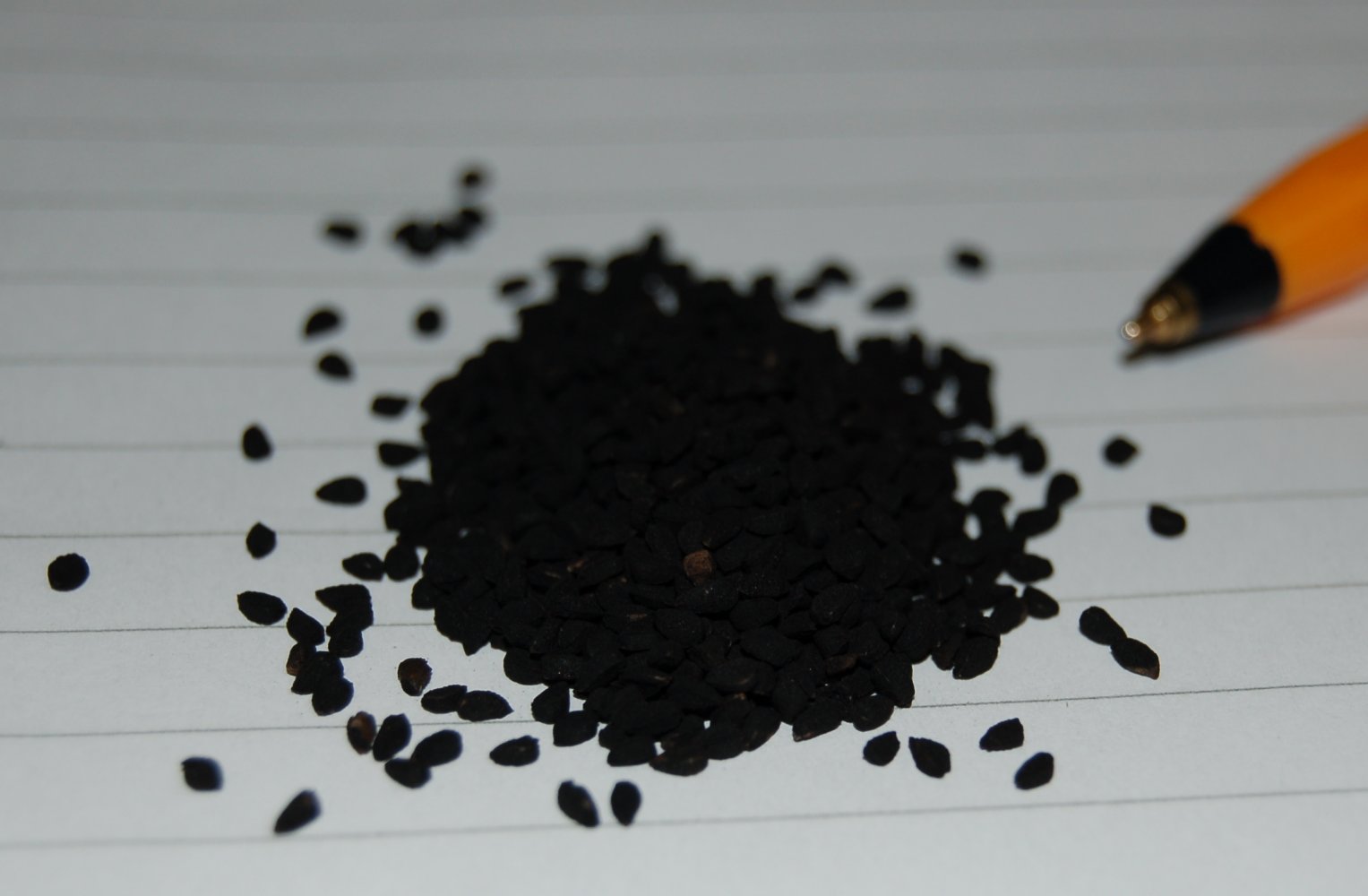
| Comparison section | Kalonji Black Cumin Seeds | Kalonji black cumin seeds for Nigella Sativa benefits and Saudi Arabian herbal wellness guide | Close-up supporting image, 900–1000px wide |
Future Trends: Nigella Sativa, Saudi Wellness, and Vision 2030
The future of Nigella Sativa in Saudi Arabia will likely depend on three factors: better research, better product quality, and better consumer education. As wellness markets grow, people want natural products that are trusted, tested, and clearly labeled.
Saudi Vision 2030 supports a healthcare system that prioritizes prevention, innovation, quality, and digital solutions. This creates an opportunity for traditional ingredients like Nigella Sativa to be discussed responsibly. The goal is not to replace hospitals, doctors, or medicine. The goal is to understand how heritage ingredients can fit into a modern wellness framework.
Future trends may include standardized black seed oil products, clearer thymoquinone testing, stronger consumer labeling, more Saudi-led clinical research, and better education about safe supplement use. The National Biotechnology Strategy also points toward a future where Saudi Arabia invests more in health innovation, manufacturing, and scientific capability.
What Consumers Should Expect Next
- More transparency: Better products may show origin, extraction method, and quality testing.
- More clinical research: Studies may focus on specific health markers rather than broad claims.
- More professional guidance: Pharmacists and healthcare providers may play a larger role in supplement advice.
- More digital education: Saudi consumers may use trusted online resources to compare wellness products.
Reliable Sources and Further Reading
- Clinical review of black seed and thymoquinone research
- World Health Organization information on traditional medicine
- Saudi Vision 2030 Health Sector Transformation Program
FAQ: Nigella Sativa, Kalonji, Black Seed Oil, and Saudi Wellness
1. What is Nigella Sativa?
Nigella Sativa is a flowering plant whose small black seeds are used as a spice and traditional wellness ingredient. It is also called kalonji, black seed, and black cumin. In Saudi Arabia, it is often associated with Islamic tradition and natural remedies.
2. Is Nigella Sativa the same as black cumin?
Many people call Nigella Sativa “black cumin,” but it is not the same as regular cumin. Nigella Sativa has its own botanical identity, taste, and active compounds, including thymoquinone.
3. What does modern science say about black seed oil?
Modern science suggests that black seed oil and thymoquinone may influence antioxidant, inflammatory, and metabolic markers. However, research is still developing, and black seed oil should not be promoted as a cure for serious diseases.
4. How can I use kalonji safely?
For everyday use, many people start with small culinary amounts in food. If you want to use black seed oil or capsules, follow the label, avoid excessive intake, and speak with a healthcare professional if you take medicine or have a medical condition.
5. Can Nigella Sativa replace medication?
No. Nigella Sativa should not replace prescribed medication, medical diagnosis, or treatment. It may be used as a complementary wellness ingredient only when appropriate and safe for your personal health situation.
6. Is black seed oil suitable for everyone?
Not always. People who are pregnant, breastfeeding, taking blood sugar or blood pressure medication, or living with liver, kidney, bleeding, or allergy conditions should ask a qualified healthcare professional before using concentrated black seed oil.
7. What should I look for when buying Nigella Sativa in Saudi Arabia?
Choose products with clear labels, expiry dates, batch numbers, storage instructions, and realistic claims. Avoid products that promise to cure many diseases. For oil, dark glass packaging and proper storage can help protect quality.
Conclusion: Respect Tradition, Follow Science, Use Nigella Sativa Wisely
Nigella Sativa is one of the most respected traditional remedies in Islamic and Middle Eastern culture. For Saudi readers, it connects faith, family memory, food, and modern wellness. At the same time, modern science reminds us to be precise. Black seed oil contains interesting compounds such as thymoquinone, but evidence must be interpreted carefully.
The best approach is balanced: enjoy kalonji as a traditional food ingredient, choose quality products, avoid exaggerated cure claims, and consult healthcare professionals when needed. This is how ancient Islamic remedy and modern science can meet in a practical, respectful, and safe way.
Start Your Nigella Sativa Wellness Checklist
Save this guide, compare product labels carefully, and build a responsible wellness routine that combines tradition, science, and professional medical advice.
Read more natural remedy guides | Explore Islamic wellness topics | View Saudi health articles | Contact us


0 Comments