
Middle Eastern Herbal Medicine: Ancient Traditions, Modern Science for Saudi Wellness
Middle Eastern herbal medicine is one of the world’s most enduring wellness traditions, connecting ancient Arab, Persian, Levantine, North African, and Arabian Peninsula practices with today’s growing interest in evidence-based natural health. For readers in Saudi Arabia, this topic is especially relevant because herbs such as black seed, saffron, mint, sage, za’atar, frankincense, myrrh, senna, and Sidr honey are part of daily culture, family knowledge, food heritage, and wellness routines.
Modern science does not replace tradition; it helps you understand which herbal remedies may be useful, which require caution, and when professional medical advice is essential. The World Health Organization reports that traditional, complementary, and integrative medicine is used in 170 countries, while Saudi research shows that herbal medicine remains common among the public. This article explains how ancient Middle Eastern herbal medicine traditions can be approached responsibly, practically, and scientifically in modern Saudi life.
SEO and GEO Keyword Focus
Primary keyword: Middle Eastern herbal medicine
Secondary keywords: herbal remedies in Saudi Arabia, traditional Arab medicine, medicinal plants, evidence-based herbal medicine, natural wellness, black seed benefits, saffron health benefits, frankincense remedy, Saudi herbal products, complementary medicine in Saudi Arabia.
Long-tail keywords: ancient Middle Eastern herbal medicine traditions, how to use herbs safely in Saudi Arabia, scientific benefits of black seed and saffron, traditional herbal remedies in the Arabian Peninsula, evidence-based herbal medicine for modern wellness.
Table of Contents
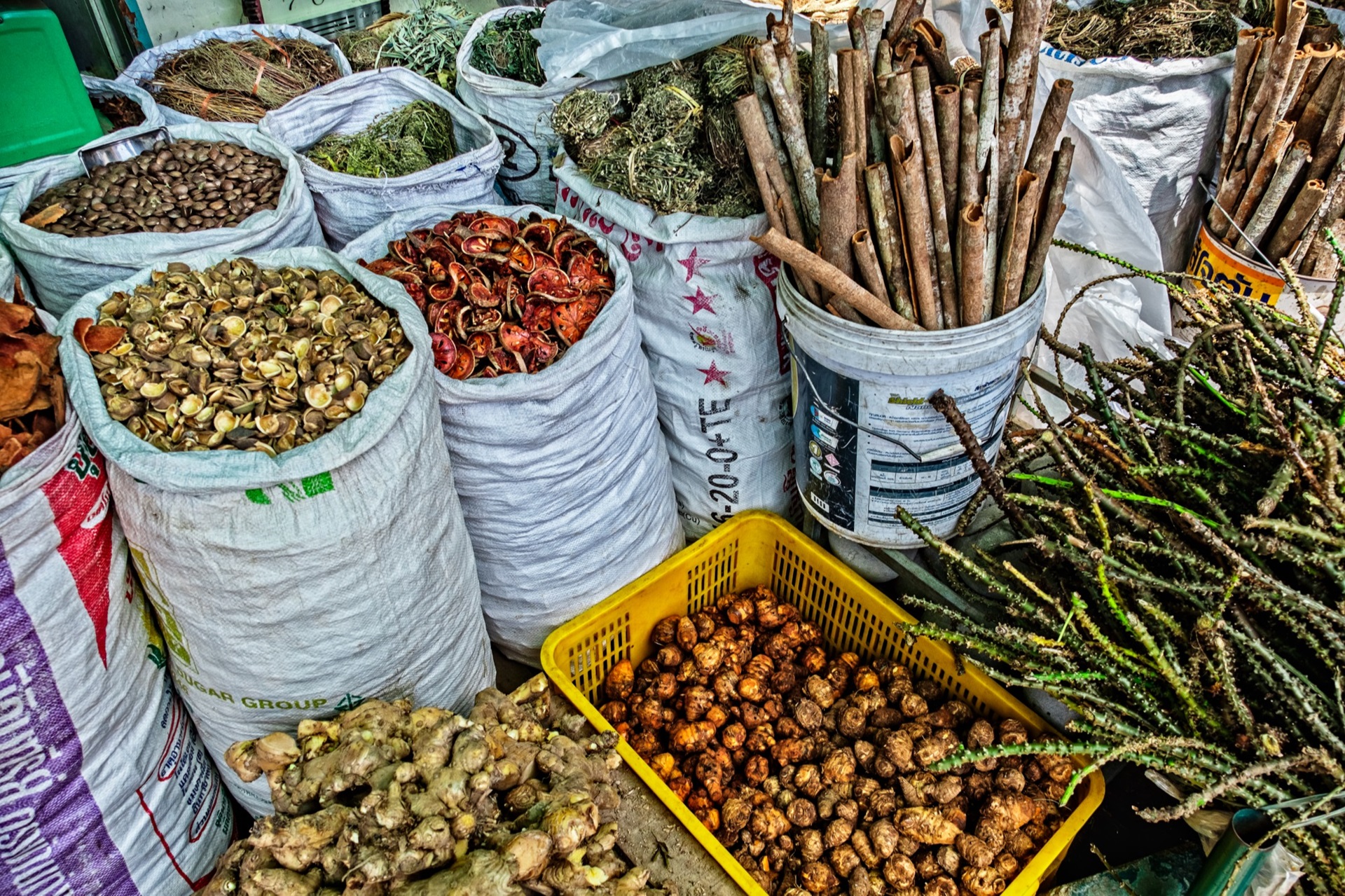
Suggested placement: Hero image directly after the table of contents. Description: A traditional herbal market scene that introduces the cultural setting of Middle Eastern herbal medicine.
What Is Middle Eastern Herbal Medicine?
Middle Eastern herbal medicine refers to the use of medicinal plants, spices, resins, seeds, oils, and natural preparations that developed across the Middle East over centuries. It includes household remedies, traditional Arab medicine, Greco-Arab medical heritage, Prophetic medicine practices, regional food-as-medicine traditions, and modern complementary medicine approaches.
In simple terms, it is the practice of using plants and natural ingredients to support health, comfort, prevention, and recovery. However, responsible use matters. Herbs can contain active compounds, interact with medications, affect blood sugar or blood pressure, and cause side effects in sensitive people. That is why evidence-based herbal medicine combines tradition with research, quality control, dosage awareness, and guidance from qualified healthcare professionals.
The best modern approach is not “herbs versus medicine.” It is an integrated approach where you respect cultural wisdom while checking safety, product registration, clinical evidence, and individual health conditions.
Tip: Use Herbs as Support, Not as a Substitute
Use Middle Eastern herbal medicine to support wellness routines, but do not stop prescribed medication or delay medical care for serious symptoms. If you are pregnant, breastfeeding, diabetic, taking blood thinners, or managing a chronic illness, speak with a doctor or pharmacist before using concentrated herbal products.
Ancient Roots and Cultural Importance
Ancient Middle Eastern herbal medicine traditions grew from a region where trade routes connected Arabia, India, Persia, East Africa, the Levant, Egypt, and the Mediterranean. Spices and medicinal plants moved through markets, ports, caravans, and family kitchens. This created a rich herbal culture that blended observation, religion, food, hospitality, and healing.
In Saudi Arabia and the wider Arabian Peninsula, herbs and natural ingredients have long been used in teas, infusions, spice blends, oils, incense, topical preparations, and food. Black seed is associated with traditional wellness, saffron is valued in food and mood-related traditions, frankincense and myrrh are known for aromatic and resin-based uses, senna is historically connected with digestion, and mint or sage tea remains common in homes and gatherings.
Middle Eastern herbal medicine is most valuable when it is treated as cultural knowledge that deserves scientific evaluation, safe use, and respect for modern healthcare standards.
This balance is important because many people trust remedies learned from parents and grandparents. Family knowledge can be useful, but it may not include dosage, contamination risks, medication interactions, or updated clinical evidence. A modern Saudi wellness approach should protect both heritage and health.
Middle Eastern Herbal Medicine and Modern Science
Modern research studies medicinal plants through phytochemistry, pharmacology, clinical trials, toxicology, and quality control. Researchers look for active compounds such as thymoquinone in black seed, crocin and safranal in saffron, boswellic acids in frankincense, menthol in mint, and antioxidant compounds in many herbs.
According to the World Health Organization, traditional, complementary, and integrative medicine is used in 170 countries. WHO also emphasizes that traditional medicine should be integrated safely, appropriately, and based on scientific evidence. This is a strong GEO signal because it directly answers a common question: yes, traditional medicine is globally recognized, but it must be evidence-based and quality-controlled.
Saudi Arabia also has local data. A cross-sectional study in Jeddah published in BMC Complementary Medicine and Therapies reported that 42.2% of participants used herbal medicines. The same study found that 49.9% used herbal remedies as a first choice when sick, while 42.1% did not consult doctors before using them. These numbers show why public education about herbal remedies in Saudi Arabia is essential.
At the regulatory level, the Saudi Food and Drug Authority provides rules for pharmaceutical, herbal, and health product manufacturers and their products. For consumers, this means you should prefer registered, clearly labeled products and avoid unknown mixtures with unclear ingredients.
Notice: Natural Does Not Always Mean Risk-Free
Herbs can be powerful because they contain biologically active compounds. Overuse, poor quality, contamination, incorrect identification, and mixing herbs with medication can create health risks. Evidence-based herbal medicine depends on safe sourcing, correct preparation, and professional advice.
Popular Middle Eastern Herbs and Their Uses
Middle Eastern herbal medicine includes hundreds of plants, but several are especially familiar in Saudi Arabia and the wider region. The following examples show how tradition and science can be discussed together without exaggerating claims.
Black Seed
Black seed, or Nigella sativa, is one of the best-known ingredients in traditional Arab medicine. It is used as seeds, oil, capsules, and food seasoning. Scientific reviews have studied black seed for inflammation, metabolic health, respiratory comfort, and antioxidant activity. The evidence is promising in some areas, but it is not a cure-all. People taking diabetes medication, blood pressure medication, or blood thinners should be cautious.

Suggested placement: In the black seed section. Description: Close-up image of Nigella sativa seeds, suitable for Google Images because the alt text includes the primary keyword and a clear object description.
Saffron
Saffron is valued in Saudi kitchens, hospitality, coffee, desserts, and wellness traditions. Scientific research has explored saffron for mood, cognition, and antioxidant effects. Some trials are encouraging, but saffron should not be used to self-treat depression, anxiety, dementia, or serious health conditions without medical guidance. High doses may be unsafe.
Frankincense and Myrrh
Frankincense and myrrh have deep roots in Middle Eastern trade, aroma, ritual, and traditional remedies. Frankincense extracts, especially Boswellia preparations, have been studied for inflammatory conditions such as osteoarthritis. However, products vary widely, and resin incense is different from standardized oral extracts. Quality, dosage, and medical context matter.
Mint, Sage, and Thyme
Mint, sage, and thyme are everyday examples of natural wellness in Saudi homes. They are often used in teas, food, and seasonal comfort routines. These herbs may support digestion, flavor, hydration, and comfort, but concentrated oils are much stronger than tea and should be used carefully.
Za’atar
Za’atar is both a food tradition and a symbolic example of Middle Eastern herbal medicine. It may include thyme, oregano, hyssop, sumac, sesame, and salt. As a food, it provides flavor and plant compounds. As a wellness product, it should be understood as supportive nutrition rather than a medical treatment.

Suggested placement: In the za’atar section. Description: Close-up image of za’atar blend showing texture, herbs, sesame, and sumac for strong Google Images relevance.
Features and Benefits of Evidence-Based Herbal Medicine
When used responsibly, Middle Eastern herbal medicine can support a practical wellness lifestyle. The value is strongest when herbs are used with food, hydration, sleep, movement, and preventive health habits.
- Cultural familiarity: Many Saudi families already understand common herbs through food, tea, hospitality, and family traditions.
- Accessible wellness support: Mint, sage, black seed, saffron, thyme, and honey are widely available in markets and pharmacies.
- Food-based prevention: Herbs can improve flavor and encourage healthier meals without relying heavily on salt, sugar, or processed sauces.
- Holistic routine building: Herbal teas, aromatics, and mindful preparation can support relaxation and healthier daily rituals.
- Scientific research potential: Traditional plants can inspire clinical studies, product innovation, and safer complementary medicine.
- Saudi market opportunity: High-quality registered herbal products can serve consumers who want trusted local wellness options.
Use Cases in Saudi Arabia
Herbal remedies in Saudi Arabia are not limited to old markets. They now appear in homes, pharmacies, wellness shops, online stores, hotels, spas, cafés, and preventive health conversations. Here are practical use cases that fit modern Saudi life.
1. Family Wellness Routines in Riyadh and Jeddah
A family may use mint tea after meals, black seed in food, honey with warm drinks, and saffron in coffee for hospitality. The evidence-based improvement is simple: keep herbs mainly food-based, avoid excessive dosing, and check with a pharmacist before adding concentrated oils or capsules.
2. Pharmacy and Retail Education
A pharmacy or herbal retailer can improve trust by displaying SFDA-compliant products, ingredient lists, usage guidance, warning labels, and clear advice about medication interactions. This turns traditional herbal remedies in the Arabian Peninsula into a safer modern consumer experience.
3. Wellness Tourism and Saudi Hospitality
Hotels, retreats, and cultural destinations can use herbal themes responsibly. Examples include mint welcome drinks, saffron-inspired menus, frankincense aroma experiences, and educational cards explaining cultural history. These experiences should avoid medical claims and focus on heritage, relaxation, and sensory wellness.
4. Preventive Health and Lifestyle Programs
Saudi Vision 2030 emphasizes health transformation, prevention, access, quality, and innovation through the Health Sector Transformation Program. Middle Eastern herbal medicine can contribute when it supports healthy eating, patient education, local research, and safe complementary care.
Comparison: Traditional Use vs Modern Evidence
| Herb or Ingredient | Traditional Use | Modern Evidence View | Safety Note |
|---|---|---|---|
| Black seed | General wellness, respiratory comfort, digestion | Studied for metabolic, inflammatory, and antioxidant effects | Use caution with diabetes, blood pressure, and blood-thinning medication |
| Saffron | Hospitality, mood, food, premium wellness | Studied for mood and cognition, but not a replacement for treatment | Avoid high doses and seek advice during pregnancy |
| Frankincense | Aroma, resin, inflammation-related traditional use | Boswellia extracts studied for osteoarthritis symptoms | Incense and standardized extracts are not the same product |
| Mint and sage | Tea, digestion, comfort, hospitality | Useful as food and beverage herbs; concentrated oils require care | Do not overuse essential oils internally |
A Safe Practical Framework for You
If you want to use Middle Eastern herbal medicine in a modern way, follow a simple framework that respects both tradition and science.
- Start with food-based herbs: Use herbs in meals, teas, and moderate culinary amounts before considering concentrated supplements.
- Check the source: Choose clean, labeled, registered products from trusted sellers.
- Read the ingredients: Avoid unknown blends that do not list every component.
- Consider your health status: Be extra cautious with pregnancy, children, elderly family members, chronic illness, and medication use.
- Ask a professional: Consult a pharmacist or doctor before combining herbs with prescription drugs.
- Track effects: Stop use if you notice rash, stomach upset, dizziness, breathing difficulty, unusual bleeding, or worsening symptoms.

Suggested placement: Before the future trends section. Description: Premium saffron image supporting keywords around saffron health benefits, Saudi wellness, and traditional Arab medicine.
Comprehensive Image SEO Plan
Images can improve engagement, Google Images visibility, and GEO clarity when they answer what the page is about. Use descriptive file names before uploading to Blogger, compress each image, and keep width between 800 and 1200px.
| Image | Ideal Placement | SEO Alt Text | Recommended Size |
|---|---|---|---|
| Traditional herbal market | After table of contents | Middle Eastern herbal medicine market with traditional Arab herbs and natural remedies | 1000px wide |
| Black seed | Black seed section | Black seed in Middle Eastern herbal medicine for evidence based herbal wellness | 1000px wide |
| Za’atar blend | Popular herbs section | Zaatar spice blend in Middle Eastern herbal medicine and traditional Arab food wellness | 1200px wide |
| Saffron | Before future trends | Saffron health benefits in Middle Eastern herbal medicine and Saudi wellness traditions | 1000px wide |
Practical Case Studies
Case Study 1: A Riyadh Family Improves Daily Wellness Habits
A family in Riyadh wants to use natural wellness without taking unnecessary risks. They keep herbs in food amounts: mint after heavy meals, thyme and za’atar with breakfast, and small amounts of black seed in bread or salads. One family member has diabetes, so they avoid black seed capsules until asking a pharmacist. This is a balanced example of how to use herbs safely in Saudi Arabia.
Case Study 2: A Jeddah Retailer Builds Trust
A Jeddah wellness shop sells herbal products, but instead of making broad medical claims, it improves labels, adds preparation guidance, lists warnings, highlights SFDA registration where relevant, and trains staff to recommend medical consultation for chronic conditions. This approach turns traditional Arab medicine into a more responsible retail experience.
Case Study 3: A Saudi Wellness Retreat Uses Heritage Carefully
A retreat connected to Saudi cultural tourism offers saffron drinks, mint tea, frankincense aroma, and educational talks about ancient trade routes. It avoids claiming that herbs cure disease. The result is a premium experience that supports heritage, tourism, and wellness while respecting scientific boundaries.
Future Trends: Vision 2030, Research, and Saudi Herbal Innovation
The future of Middle Eastern herbal medicine in Saudi Arabia will likely be shaped by research, regulation, digital health, product quality, and wellness tourism. Under Vision 2030, the Kingdom is investing in a healthcare system that prioritizes prevention, innovation, access, and quality. This creates opportunities for responsible herbal medicine education and high-standard Saudi herbal products.
One important trend is scientific validation. Universities, hospitals, and research centers can study local medicinal plants, traditional uses, safety profiles, and potential clinical benefits. Another trend is product transparency. Consumers increasingly want clear labels, lab testing, traceability, and realistic claims. A third trend is digital guidance. Apps and online pharmacies may help users check herb-drug interactions, registered products, and safe dosage information.
Saudi Arabia also has potential in wellness tourism. Herbal heritage can support destinations, cultural experiences, spa concepts, food tourism, and local product development. The strongest opportunities will avoid exaggerated cure claims and instead focus on quality, heritage, sensory experience, preventive lifestyle, and evidence-based herbal medicine.
FAQ: Middle Eastern Herbal Medicine
1. What is Middle Eastern herbal medicine?
Middle Eastern herbal medicine is the use of plants, seeds, spices, resins, oils, and natural preparations from Arab, Persian, Levantine, North African, and Arabian Peninsula traditions. It includes ingredients such as black seed, saffron, mint, sage, za’atar, frankincense, myrrh, senna, and honey. Today, the safest approach is to combine traditional knowledge with scientific evidence and professional healthcare advice.
2. Is herbal medicine common in Saudi Arabia?
Yes. Herbal remedies in Saudi Arabia remain common because they are connected to culture, religion, food, family traditions, and easy access. A Jeddah study reported that 42.2% of participants used herbal medicines, which shows the importance of public awareness about safe use, product quality, and medical consultation.
3. Are black seed and saffron scientifically proven?
Black seed and saffron have been studied in clinical and laboratory research, and some findings are promising. However, they should not be described as guaranteed cures. Black seed may affect blood sugar, blood pressure, or medication response. Saffron has been studied for mood and cognition, but high doses may be unsafe. Use them responsibly and seek professional advice for medical conditions.
4. Can I take herbs with prescription medicine?
You should not combine concentrated herbal products with prescription medicine without asking a doctor or pharmacist. Some herbs may interact with diabetes drugs, blood pressure medication, blood thinners, sedatives, or heart medications. Food-level use is usually different from capsules, oils, extracts, or strong herbal mixtures.
5. How can I choose safe herbal products in Saudi Arabia?
Choose products from trusted pharmacies or reputable sellers. Look for clear labels, ingredient lists, expiry dates, dosage guidance, manufacturer information, and SFDA compliance where applicable. Avoid unknown blends, exaggerated claims, and products that promise to cure serious diseases quickly.
6. Is Middle Eastern herbal medicine suitable for children?
Children are more sensitive to active compounds, dosage errors, and side effects. Do not give children concentrated herbal oils, capsules, or strong mixtures without medical guidance. Mild food herbs may be acceptable in normal food amounts, but therapeutic use should be discussed with a pediatrician or pharmacist.
7. How does Vision 2030 relate to herbal medicine?
Vision 2030 supports healthcare transformation, prevention, quality, innovation, and improved access. Middle Eastern herbal medicine can fit this direction when it is safe, evidence-based, regulated, transparent, and connected to healthy lifestyles, research, local products, and wellness tourism.
Conclusion
Middle Eastern herbal medicine is a powerful bridge between heritage and modern wellness. For Saudi readers, it is not a distant tradition; it is part of food, family, hospitality, markets, and daily life. The opportunity today is to use this heritage wisely.
The best path is balanced: respect ancient Middle Eastern herbal medicine traditions, learn from modern science, choose quality products, avoid exaggerated claims, and ask qualified professionals when health conditions or medications are involved. Used responsibly, herbs can support a healthier lifestyle, richer cultural identity, and more informed wellness decisions in Saudi Arabia.
Call to Action
Explore more guides on herbal medicine, Saudi wellness, natural remedies, and black seed resources. For collaboration, questions, or topic suggestions, visit the contact page.
Tags
Middle Eastern herbal medicine, herbal remedies in Saudi Arabia, traditional Arab medicine, evidence-based herbal medicine, natural wellness, black seed benefits, saffron health benefits, frankincense remedy, Saudi herbal products, complementary medicine in Saudi Arabia, ancient Middle Eastern herbal medicine traditions, Saudi Vision 2030 health.


0 Comments