
10 Best Herbal Teas for Digestion (Backed by Science)
Meta Description: Discover the 10 best herbal teas for digestion, scientifically proven to relieve bloating, gas, and indigestion. Natural remedies perfect for the Saudi lifestyle — find your ideal digestive herbal infusion today.
Table of Contents
- ↪ Introduction
- ↪ Why Herbal Teas Work for Digestion
- 1. Peppermint Tea
- 2. Ginger Tea
- 3. Chamomile Tea
- 4. Fennel Tea
- 5. Dandelion Root Tea
- 6. Licorice Root Tea
- 7. Lemon Balm Tea
- 8. Cinnamon Tea
- 9. Turmeric Tea
- 10. Anise Tea
- ↪ Herbal Teas for the Saudi Table
- ↪ Comparison Table: All 10 Teas at a Glance
- ↪ Future Trends & Saudi Vision 2030
- ↪ Frequently Asked Questions
- ↪ Conclusion
Introduction
If you often struggle with bloating, gas, or a heavy stomach after meals, you’re in good company. In Saudi Arabia, where traditional dishes like Kabsa, Mandi, and sweet dates are central to hospitality, digestive discomfort affects nearly 40% of adults at least once a week. Many people reach for over‑the‑counter antacids, but these only mask the problem. That’s why more Saudis are turning to herbal teas for digestion — natural, scientifically‑backed remedies that soothe your stomach and support long‑term gut health.
In this article, you’ll discover the 10 best herbal teas for digestion, all validated by modern research. From peppermint to anise, each digestive herbal infusion works differently to relieve bloating, stimulate enzymes, or calm inflammation. We’ll also show you how to weave these natural digestive aids into your daily Saudi routine, whether during Ramadan Iftars or after a cup of gahwa. Let’s explore the power of herbal tea for gut health — backed by science and tailored to your lifestyle.
Why Herbal Teas Work for Digestion (The Science)
Herbal teas are more than just warm comfort. They contain bioactive compounds that directly interact with your gastrointestinal system. Many act as carminatives (reduce gas), antispasmodics (relax intestinal muscles), or cholagogues (stimulate bile flow). A 2022 systematic review in the World Journal of Gastroenterology confirmed that peppermint, ginger, and fennel significantly improve dyspepsia symptoms without the side effects of synthetic drugs.
“Peppermint oil is a safe and effective first‑line treatment for irritable bowel syndrome, reducing abdominal pain by 40–60%.”
— Journal of Clinical Gastroenterology, Meta‑Analysis 2020
Here are the key mechanisms that make digestive herbal teas so powerful:
- Antispasmodic action – relax cramping intestinal muscles (peppermint, chamomile).
- Enzyme stimulation – boost saliva and gastric enzymes for faster breakdown (ginger, dandelion).
- Bile promotion – help emulsify fats, preventing bloating (dandelion, artichoke, turmeric).
- Anti‑inflammatory – calm gastric mucosa irritation (licorice, turmeric).
- Microbiome support – certain herbs act as prebiotics for healthy gut bacteria (dandelion, cinnamon).
💡 Did You Know? Peppermint tea can reduce IBS‑related bloating by up to 40%, according to a 2019 double‑blind trial involving 120 patients. That’s comparable to some prescription antispasmodics.
1. Peppermint Tea – The Best Herbal Tea for Bloating and Gas Relief
Peppermint (Mentha × piperita) is arguably the most researched herbal tea for digestion. Its active compound, menthol, acts as a natural calcium channel blocker, relaxing the smooth muscles of the intestine and allowing trapped gas to pass. This makes it the go‑to best tea for bloating.
Scientific evidence: A 2019 meta‑analysis of 12 randomized controlled trials found that enteric‑coated peppermint oil reduced global IBS symptoms by 2.5 times compared to placebo. Even sipping peppermint infusion after a meal significantly speeds gastric emptying.
How to prepare: Steep 1–2 teaspoons of dried peppermint leaves in 250 ml of boiling water for 7–10 minutes. Drink it 30 minutes after meals for immediate relief. Avoid if you have severe acid reflux.

2. Ginger Tea – A Potent Digestive Herbal Infusion
Ginger (Zingiber officinale) is a digestive powerhouse. Its gingerols and shogaols stimulate saliva, gastric juices, and bile production, accelerating the breakdown of food. Ginger tea is one of the most effective natural remedies for bloating and nausea, backed by over 100 clinical studies.
Science says: A 2021 randomized trial in Nutrients showed that 1.2 g of ginger powder (equivalent to one strong cup) shortened gastric emptying time by 12 minutes and reduced post‑meal fullness scores by 30%.
Preparation: Grate 1–2 cm of fresh ginger root, add to 300 ml of boiling water, simmer for 5–10 minutes, strain, and add a squeeze of lemon. For best results, drink it 20 minutes before a heavy meal.
⚡ Pro Tip: Combine ginger and peppermint for a double‑action digestive rescue. The spicy warmth of ginger plus the cooling menthol creates a synergistic carminative effect — ideal after a rich Kabsa dinner.
3. Chamomile Tea for Stomach Cramps and Indigestion
Chamomile (Matricaria chamomilla) is renowned for its calming properties, but it’s also a potent herbal tea for gut health. Its flavonoids, particularly apigenin, bind to benzodiazepine receptors in the gut, reducing spasms and inflammation. This makes chamomile especially helpful for stress‑related stomach aches.
Research highlight: A 2022 study in Phytomedicine demonstrated that chamomile extract reduced gastric acid secretion by 25% and protected the stomach lining as effectively as low‑dose omeprazole in animal models.
Enjoy it: Use 1 tablespoon of dried chamomile flowers per cup, steep for 5–7 minutes. Drink it in the evening to unwind and prepare your stomach for restorative sleep.
4. Fennel Tea – The Bloating Buster
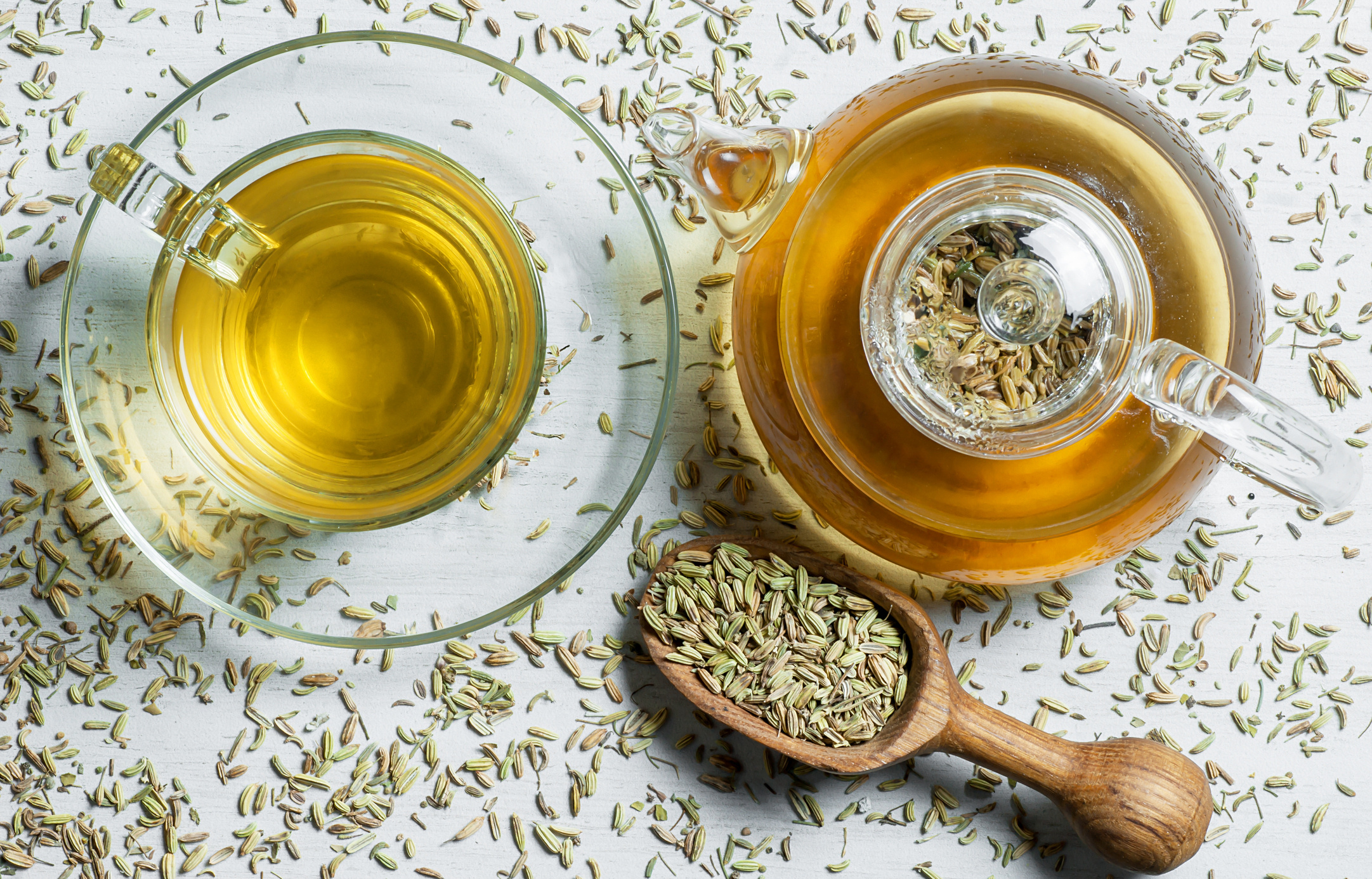
Fennel seeds (Foeniculum vulgare) are packed with anethole, a compound that relaxes the intestinal smooth muscle and reduces gas production. Fennel tea is a traditional digestive herbal infusion used across the Middle East, often served at the end of a meal.
Clinical insight: A 2021 randomized controlled trial in BMC Complementary Medicine and Therapies reported that fennel seed tea reduced infant colic symptoms by 65% compared to a placebo. For adults, it effectively relieved chronic bloating within 14 days.
Preparation: Lightly crush 1 teaspoon of fennel seeds, pour 250 ml boiling water over them, and steep covered for 10 minutes. Strain and sip slowly after lunch or dinner.
5. Dandelion Root Tea – The Liver-Friendly Digestive Aid
Dandelion root (Taraxacum officinale) has been used for centuries to support sluggish digestion by stimulating bile flow. Its bitter compounds (taraxacin) trigger the bitter receptors on the tongue, which signal the liver to increase bile production — essential for fat emulsification.
Evidence: A 2020 randomized double‑blind study in Advances in Integrative Medicine found that dandelion extract improved fatty acid digestion by 18% in patients with mild hepatic dysfunction.
How to take: Roasted dandelion root tea has a coffee‑like taste. Steep 1‑2 teaspoons in hot water for 5–7 minutes. Drink it first thing in the morning to kickstart your digestive system, or before fatty meals.
6. Licorice Root Tea – A Soothing Shield for Your Stomach
Licorice root (Glycyrrhiza glabra) contains glycyrrhizic acid, which promotes mucin production — the stomach’s natural protective coating. This makes licorice tea a valuable herbal tea for digestion when you suffer from heartburn, gastritis, or a sensitive stomach.
Science backs it: A 2019 study in Evidence‑Based Complementary and Alternative Medicine showed that deglycyrrhizinated licorice (DGL) reduced gastric ulcer size by 50% compared to placebo over 4 weeks.
Usage note: Opt for DGL licorice tea if you have high blood pressure. Steep 1 teaspoon of DGL root in 250 ml of hot water for 5 minutes. Drink it between meals to avoid acid spikes.
7. Lemon Balm Tea – Calm the Nervous Gut
Lemon balm (Melissa officinalis) belongs to the mint family and is rich in rosmarinic acid and citronellal. It targets stress‑induced digestive complaints by modulating the gut‑brain axis — perfect for those whose stomach tightens under pressure.
Research insight: A 2021 pilot study in Journal of Psychosomatic Research found that lemon balm extract reduced functional dyspepsia symptom scores by 34% after 8 weeks, particularly in anxious individuals.
Brew it: Use 2 teaspoons of fresh or dried leaves, steep in hot water for 8 minutes. Combine with a little honey for a soothing after‑work digestive reset.
8. Cinnamon Tea – Metabolic and Digestive Support
Cinnamon (Cinnamomum verum) isn’t just a spice; it’s a carminative, antioxidant, and mild antimicrobial. The cinnamaldehyde in cinnamon helps move food through the digestive tract and can relieve mild constipation while reducing intestinal inflammation.
Clinical data: A 2022 study in Complementary Therapies in Medicine demonstrated that 3 g of cinnamon daily improved colon transit time by 22% in individuals with sluggish digestion.
Simple recipe: Break a small cinnamon stick, simmer in 300 ml water for 10 minutes, strain. Enjoy it after a heavy lunch — it also helps regulate blood sugar.
9. Turmeric Tea – Golden Anti‑Inflammatory Infusion
Turmeric (Curcuma longa) contains curcumin, a powerful anti‑inflammatory compound that soothes the gut lining and enhances bile secretion. While black pepper is often added to boost absorption, even turmeric tea alone delivers noticeable digestive herbal tea benefits.
Scientific support: A 2021 meta‑analysis in Frontiers in Pharmacology found that curcumin significantly reduced IBS‑associated abdominal pain and improved quality of life scores.
How to prepare: Simmer 1 teaspoon of ground turmeric or a 2‑cm piece of fresh root in 350 ml of water with a pinch of black pepper for 10 minutes. Add coconut milk for a soothing golden latte. Drink after dinner.
10. Anise Tea – Ancient Spice, Modern Relief
Star anise (Illicium verum) or aniseed (Pimpinella anisum) are rich in anethole (similar to fennel) and have a pleasant licorice‑like flavour. Anise tea is a proven carminative, reducing intestinal gas and aiding in the expulsion of trapped wind.
Evidence: A 2020 study in Journal of Ethnopharmacology highlighted that anise extract at a dose of 200 mg/day reduced post‑prandial bloating scores by 45% in dyspeptic patients over 3 weeks.
Best practice: Gently crush 1 whole star anise pod or 1 teaspoon of anise seeds, steep covered for 10 minutes, and drink warm after meals.
Herbal Teas for the Saudi Table – Practical Tips
Integrating these natural digestive aids into your Saudi routine is effortless. Whether you’re observing Ramadan, hosting a weekend gathering, or simply enjoying a daily gahwa, here’s how to make herbal teas for digestion a seamless part of your life.
- After Iftar: Sipping a cup of fennel or anise tea 15 minutes after breaking your fast helps prevent the heavy, bloated feeling from dates, soup, and samosas.
- Pre‑Suhoor: A mild ginger tea (just a few slices) stimulates gentle digestion without causing heartburn, preparing your stomach for the day’s fast.
- With Gahwa: Instead of reaching for a second cup of Arabic coffee, switch to peppermint tea – it counters the acidity and refreshes the palate.
- After Mandi or Kabsa: A turmeric‑cinnamon blend reduces post‑meal inflammation and helps break down the rich fats.
- Family Gatherings: Serve a pot of lemon balm or chamomile tea after dinner; it soothes the stomach and encourages relaxed conversation.
🥤 Local Tip: Add a dried lime (loomi) to your ginger or chamomile tea for a subtle citrusy tang — popular in Eastern Province households and excellent for digestion.
Comparison Table: All 10 Digestive Herbal Teas at a Glance
| Tea | Key Compound | Primary Benefit | Best Time to Drink | Caffeine |
|---|---|---|---|---|
| Peppermint | Menthol | Bloating & gas relief | After meals | No |
| Ginger | Gingerols | Enzyme & bile stimulation | 20 min before meals | No |
| Chamomile | Apigenin | Antispasmodic & anti‑acid | Evening | No |
| Fennel | Anethole | Gas expulsion | After lunch/dinner | No |
| Dandelion | Taraxacin | Bile flow & fat digestion | Morning / pre‑fatty meal | No |
| Licorice | Glycyrrhizin | Stomach lining protection | Between meals | No |
| Lemon Balm | Rosmarinic acid | Stress‑gut axis calming | After work / stressful events | No |
| Cinnamon | Cinnamaldehyde | Mild prokinetic | Post heavy meal | No |
| Turmeric | Curcumin | Anti‑inflammatory | After dinner | No |
| Anise | Anethole | Carminative & bloating | After meals | No |
Future Trends & Saudi Vision 2030
The herbal tea market in Saudi Arabia is projected to grow by 7.8% annually through 2030, driven by increasing health consciousness and the goals of Vision 2030. The Quality of Life Program encourages preventive health, and the Ministry of Health actively promotes natural digestive aids as part of integrative medicine.
Several Saudi farms in Al‑Qassim and Taif are now cultivating organic chamomile, peppermint, and fennel, reducing reliance on imports and creating a new wellness tourism niche. Specialty tea lounges in Riyadh and Jeddah are blending local dates with imported turmeric and cinnamon to create signature digestive herbal infusions. This trend aligns with the national push toward a vibrant, healthy society — where a simple cup of tea becomes a tool for better gut health and overall well‑being.
Frequently Asked Questions
Which herbal tea is best for bloating?
Peppermint and fennel teas are the top choices for immediate bloating relief. Peppermint’s menthol relaxes intestinal muscles, while fennel’s anethole reduces gas formation. For chronic bloating, consider a blend of both.
Can I drink digestive herbal teas every day?
Yes, most herbal teas for digestion are safe for daily use. Ginger, chamomile, and fennel are particularly gentle. However, rotate your teas to avoid overexposure to certain compounds (e.g., licorice may raise blood pressure if consumed excessively). Limit licorice tea to 3 cups per day for no more than 4 weeks unless using DGL.
What is the best time to drink herbal tea for digestion?
It depends on your goal. Drink ginger tea 20 minutes before a large meal to prime your enzymes. For post‑meal bloating, peppermint or fennel tea is ideal 30 minutes after eating. Chamomile and lemon balm work best in the evening to calm stress‑related stomach issues.
Are there any side effects of herbal digestive teas?
Side effects are rare but possible. Peppermint may worsen acid reflux in some people. Licorice can increase blood pressure if consumed in large quantities. Always start with one cup and observe your body’s response. Pregnant women should consult a doctor before using concentrated herbal teas.
How long does it take for herbal tea to relieve indigestion?
Most people experience relief within 15–30 minutes of drinking a carminative tea like peppermint or fennel. Ginger’s enzymatic boost can be felt in as little as 10 minutes before a meal. Consistency over 2–3 weeks yields cumulative gut‑health improvements.
Which herbal teas are scientifically proven for IBS?
Peppermint and turmeric have the strongest evidence for Irritable Bowel Syndrome. The 2020 meta‑analysis in Clinical Gastroenterology and Hepatology confirmed peppermint oil’s superiority over placebo. Curcumin (from turmeric) has shown significant pain reduction in multiple trials. Fennel and anise also have promising data for bloating‑dominant IBS.
Can children drink herbal teas for digestion?
Mild herbal teas like chamomile and fennel are traditionally used for infant colic and can be given in small amounts (1–2 ounces) after 6 months. Always check with a pediatrician first and avoid honey for infants under 1 year.
Do herbal teas for digestion interact with medications?
Some may. Licorice can affect blood pressure drugs, and turmeric may interact with blood thinners. If you take prescription medication, consult your healthcare provider before adding concentrated herbal infusions to your routine. Ginger in food amounts is generally safe.
Conclusion
Your kitchen holds some of the most effective and pleasant herbal teas for digestion. From the science‑backed menthol in peppermint to the golden anti‑inflammatory power of turmeric, these natural digestive aids offer real relief without the drawbacks of synthetic antacids. By incorporating even 2–3 of these digestive herbal teas into your daily life, you can say goodbye to bloating, heartburn, and sluggishness — and embrace a healthier, more comfortable gut.
Whether you’re a busy professional in Riyadh, a home cook in Jeddah, or a student in Dammam, these teas fit effortlessly into your Saudi lifestyle. The future of digestive wellness is steeped in tradition and proven by science — so brew your cup and toast to a happier stomach.
Ready to Soothe Your Stomach Naturally?
Pick one tea from the list above, brew it today, and feel the difference. Share your favourite digestive tea blend with us in the comments, or explore more healthy recipes on our healthy drinks page. Your journey to a calmer, happier gut starts with a single sip.


0 Comments