
The Science Behind Traditional Chinese Medicine: What Works?
Traditional Chinese medicine is widely discussed today because many people want natural, practical, and evidence-based ways to manage pain, stress, sleep, and long-term wellness. In Saudi Arabia, where complementary medicine is culturally familiar and healthcare quality is rapidly advancing, the key question is not whether an approach is “old” or “modern.” The better question is: what does the science show, and how can you use it safely?
This guide explains the science behind traditional Chinese medicine in clear English. You will learn which TCM therapies have the strongest evidence, where research is still weak, and why safety matters when herbs, acupuncture, cupping, or movement practices are used alongside conventional medical care. You will also see practical examples for Saudi lifestyles, including office work in Riyadh, migraine management in Jeddah, family wellness, and preventive care aligned with Vision 2030. The goal is simple: help you make informed choices, ask better questions, and avoid risky claims.
Table of Contents
Quick Answer: What Traditional Chinese Medicine Works Best?
The most evidence-supported areas of traditional Chinese medicine are acupuncture for some pain conditions and headache prevention, and tai chi or qigong for balance, mobility, mood, and quality of life. Chinese herbal medicine has a much more mixed evidence profile: some plant compounds are medically important, but many formulas lack strong trials, and quality control can be a serious issue.
According to the U.S. National Center for Complementary and Integrative Health, acupuncture and tai chi may help certain pain conditions and quality-of-life outcomes, while Chinese herbal product studies have produced mixed results. It also warns that some herbal products have been contaminated with heavy metals, pesticides, undeclared drugs, or incorrect herbs. You can review its overview here: NCCIH guide to traditional Chinese medicine.
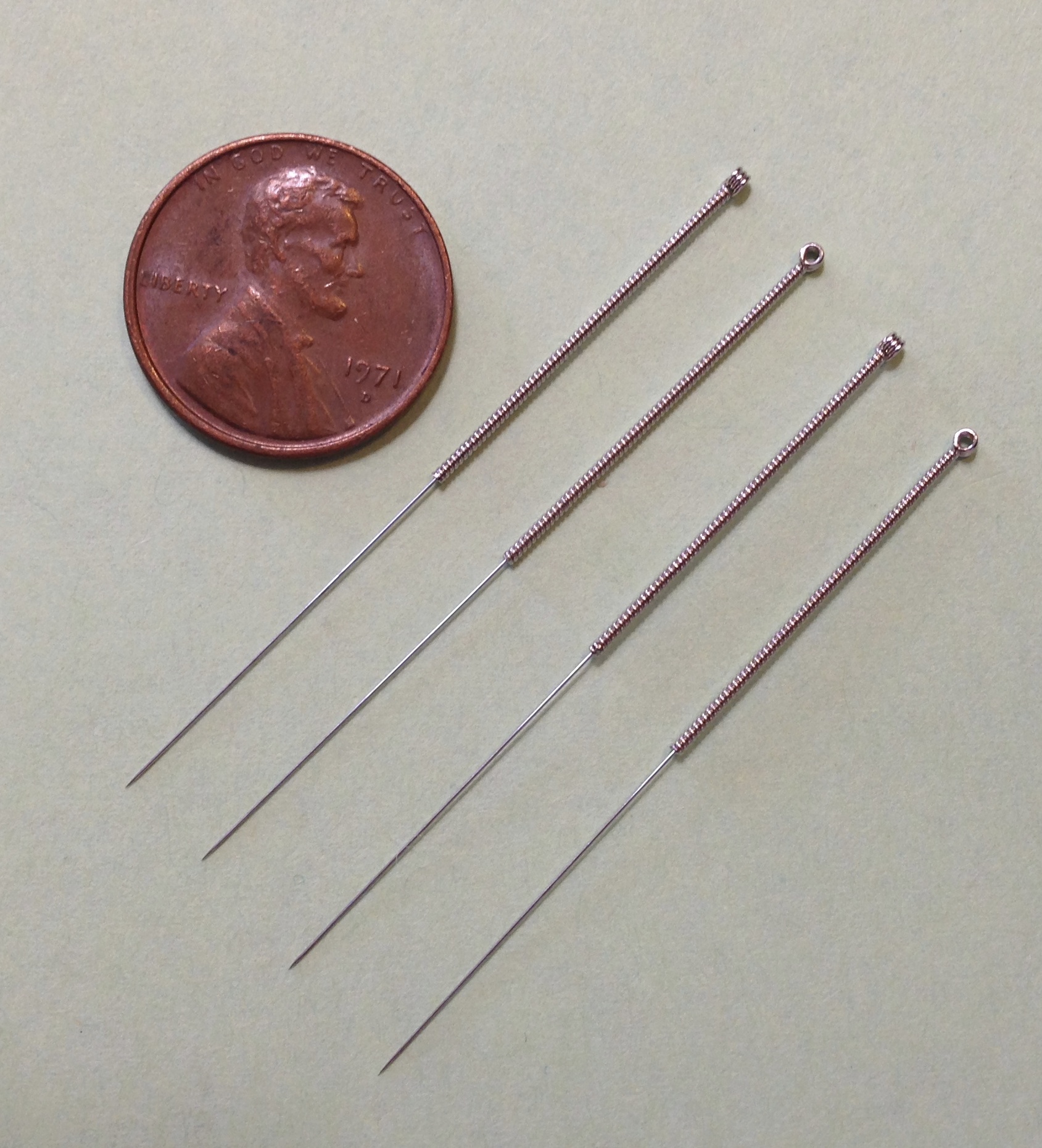
Suggested placement: after the quick answer section. Ideal size: 900px wide. Image credit: Wikimedia Commons, Acuhealth, CC BY-SA 3.0.
The most practical rule: use traditional Chinese medicine as an evidence-informed support, not as a replacement for diagnosis, emergency care, cancer care, heart care, diabetes care, or prescribed medication.
What Is Traditional Chinese Medicine?
Traditional Chinese medicine, often called TCM, is a broad medical tradition that developed over thousands of years. It includes acupuncture, herbal formulas, moxibustion, cupping, massage-style bodywork, diet therapy, breathing practices, tai chi, and qigong. In classical language, TCM describes health through concepts such as balance, patterns, meridians, and vital energy.
Modern science studies these practices differently. Instead of asking whether a meridian exists in the same way a nerve or blood vessel exists, researchers ask measurable questions. Does pain decrease? Do migraine days fall? Are people walking better? Are inflammatory markers changed? Are side effects acceptable? This is why the best discussions about TCM evidence separate cultural explanation from clinical outcomes.
This distinction is important for Saudi readers. Complementary medicine use in the Kingdom is high, and a 2019 review reported that traditional and complementary medicine use in Saudi Arabia had reached 75%, with religious healing, herbal medicine, and cupping among the most common therapies. See the abstract here: complementary medicine regulation in Saudi Arabia.
Tip Box 1: Ask the Evidence Question
When you hear a claim about traditional Chinese medicine, ask: For which condition, in which type of patient, compared with what treatment, and with what safety monitoring? This question protects you from vague claims and helps you focus on useful evidence.
How Science Studies TCM: Mechanism, Outcomes, and Placebo Effects
Good science does not reject a therapy just because it is traditional. It tests it with randomized trials, systematic reviews, safety reporting, and real-world outcomes. For traditional Chinese medicine, this can be challenging because treatments are often individualized, practitioner skill varies, and sham controls can be difficult to design.
Acupuncture is a useful example. Research suggests it may affect nervous system function, local connective tissue, pain processing, and non-specific effects such as expectation and the therapeutic relationship. If a therapy reduces pain, improves function, and has acceptable risk, it may be valuable, but the mechanism still matters for safe clinical decisions.
Reliable Data Points
- NCCIH reports that acupuncture has been used for at least 2,500 years.
- WHO reports acupuncture use in 103 of 129 reporting countries.
- A Cochrane migraine review included 22 trials and 4,985 participants.
- A Cochrane tension-type headache review included 12 trials and 2,349 adults.
- A Saudi Food and Drug Authority project screened 566 potential herb-drug interaction signals.
Evidence by Therapy: What Works, What Is Mixed, and What Needs Caution
1. Acupuncture Evidence for Pain and Headaches
Among TCM therapies, acupuncture has some of the strongest clinical evidence. It may help with chronic low back pain, neck pain, knee osteoarthritis pain, postoperative pain, migraine prevention, and frequent tension-type headaches. The American College of Physicians has also included acupuncture among non-drug options for low back pain, especially when patients want to reduce reliance on pain medication.
For migraine, the Cochrane review found moderate-quality evidence that acupuncture can reduce headache frequency. For tension-type headache, Cochrane concluded that a course of at least six sessions can be a valuable option. You can compare the summaries here: Cochrane migraine review and Cochrane tension headache review.
The cautious conclusion is this: acupuncture is not magic, and it does not work for every person. Yet for selected pain and headache conditions, especially when provided by a licensed professional using sterile needles, it can be a reasonable part of an integrative medicine plan.
2. Tai Chi and Qigong Benefits
Tai chi and qigong are movement-based practices that combine slow posture changes, breathing, mental focus, and relaxation. Their benefits are easier to understand through modern science than through mystery. They improve balance, gentle strength, coordination, body awareness, and stress regulation.
NCCIH states that tai chi research suggests benefits for balance and stability in older adults, pain from knee osteoarthritis, fibromyalgia coping, back pain, mood, and quality of life in people with heart failure. For Saudi Arabia, this is practical because indoor tai chi or qigong can be adapted to hot weather, older adults, and low-impact wellness programs.
3. Chinese Herbal Medicine: Promising, but Not Simple
Chinese herbal medicine is the most complicated part of traditional Chinese medicine. Some modern medicines have roots in plant research, and herbs can contain biologically active compounds. However, a traditional formula is not automatically safe or effective. Dose, plant identity, extraction method, contamination, manufacturing quality, and medication interactions all matter.
This is especially relevant in Saudi Arabia, where many people use herbal products while also taking medicines for diabetes, blood pressure, cholesterol, fertility, autoimmune disease, or transplant care. The Saudi Food and Drug Authority maintains herbal drug information and has published work on herb-drug interaction assessment. Readers can check the official SFDA herbal drug page here: SFDA herbal drugs.
Alert Box 1: Never Mix Herbs Blindly with Medication
If you take warfarin, aspirin, ibuprofen, blood pressure medicines, diabetes medicines, immune-suppressing drugs, cancer medicines, or fertility treatments, discuss herbs with a physician or pharmacist first. “Natural” does not always mean safe.

Suggested placement: inside the Chinese herbal medicine section. Ideal size: 1000px wide. Image credit: Wikimedia Commons, Mike from Vancouver, CC BY 2.0.
4. Cupping and Moxibustion
Cupping is culturally familiar in Saudi Arabia, especially through hijama. In TCM, cupping is used to create local suction on the skin. Some people report short-term relief for muscle tightness, but high-quality evidence is less consistent than for acupuncture in pain and headache conditions. Moxibustion, which uses heat from burning mugwort near the skin, also has mixed evidence and must be handled carefully to avoid burns and smoke exposure.
In Saudi Arabia, complementary medicine practice is regulated. Ministry of Health regulations state that complementary and alternative medicine practice requires licensing, and listed specialties include acupuncture. Regulations also require proper records and facility compliance. See the Ministry document here: MOH complementary medicine regulations.
Features and Benefits of Evidence-Based TCM
When used responsibly, traditional Chinese medicine can offer practical support for wellness and symptom management. The benefits are strongest when TCM is integrated with medical diagnosis, not used as a substitute for it.
- Non-drug pain support: Acupuncture may help selected people reduce pain intensity and improve function.
- Movement and balance: Tai chi and qigong are gentle options for older adults and beginners.
- Stress regulation: Slow breathing and mindful movement may support sleep routines and emotional balance.
- Patient engagement: TCM often encourages people to observe sleep, diet, activity, and daily habits.
- Integrative care potential: Licensed practitioners can coordinate with physicians, physiotherapists, and pharmacists.
- Preventive mindset: A focus on lifestyle fits well with Saudi Arabia’s expanding preventive healthcare goals.
Use Cases Focused on Saudi Arabia
The right use case depends on your medical history, goals, and safety risks. Here are practical examples that make sense for Saudi readers.
Case Study 1: Office Back Pain in Riyadh
Ahmed sits for long hours and drives daily. His physician rules out red flags, then recommends exercise, posture changes, and physiotherapy. After checking credentials, Ahmed adds six acupuncture sessions and tracks pain, sleep, walking time, and medication use.
Case Study 2: Migraine Prevention in Jeddah
Sara has episodic migraine. Her neurologist reviews triggers, sleep, hydration, medication options, and headache tracking. Sara adds acupuncture without stopping prescribed treatment, using TCM as support rather than replacement.
Case Study 3: Indoor Tai Chi for Older Adults
A family in Dammam wants a gentle activity for an older parent with mild balance concerns. They choose beginner tai chi indoors and also review vision, footwear, vitamin D, and fall risk with a doctor.

Suggested placement: after Saudi use cases. Ideal size: 1200px wide. Image credit: Wikimedia Commons, Kristoffer Trolle, CC BY 2.0.
Comparison Table: Traditional Chinese Medicine Therapies at a Glance
| TCM Therapy | Best-Supported Uses | Evidence Strength | Saudi Safety Note |
|---|---|---|---|
| Acupuncture | Chronic pain, migraine prevention, tension-type headache | Moderate for selected conditions | Use licensed practitioners and sterile needles |
| Tai chi and qigong | Balance, gentle mobility, stress regulation, quality of life | Moderate for movement-related outcomes | Good indoor option during hot weather |
| Chinese herbal medicine | Condition-specific support only with professional review | Mixed and highly variable | Check SFDA registration and medication interactions |
| Cupping | Short-term muscle discomfort relief in some users | Limited to mixed | Use regulated settings, especially for wet cupping |
| Moxibustion | Traditional warming practice with condition-specific claims | Mixed and condition-dependent | Avoid burns, smoke exposure, and untrained use |
Image SEO Plan for Google Images and Blogger
| Image | Alt Text | Title and Description | Ideal Placement and Size |
|---|---|---|---|
| Acupuncture needles | Traditional Chinese medicine acupuncture needles used in evidence-based pain care | Acupuncture needles and TCM evidence. | After quick answer, 900px wide |
| Chinese herbal jars | Chinese herbal medicine jars showing traditional Chinese medicine safety and quality concerns | Chinese herbal medicine quality and safety. | Herbal medicine section, 1000px wide |
| TCM pharmacy | Traditional Chinese medicine pharmacy showing herbal preparation and integrative medicine quality control | Herbal preparation and quality control. | Saudi use cases, 1200px wide |
| Historic acupuncture chart | Historic acupuncture chart showing the roots of traditional Chinese medicine and modern research questions | Tradition compared with clinical evidence. | Future trends or conclusion, 900px wide |
Future Trends: Evidence-Based TCM and Saudi Vision 2030
The future of traditional Chinese medicine will be shaped by data, regulation, quality control, and patient-centered care. WHO’s Global Traditional Medicine Strategy 2025–2034 emphasizes evidence, safety, regulation, health-system integration, and people-centered care. This direction fits the Saudi health transformation agenda, which focuses on prevention, digital health, access, quality, and efficient care.
Saudi Arabia’s Ministry of Health describes e-health as an enabler of digital transformation, unified electronic medical records, remote consultation, decision support, and improved efficiency. This can make integrative medicine safer. For example, a patient’s electronic record can show allergies, medications, chronic diseases, pregnancy status, and previous adverse reactions before a herbal product or acupuncture plan is considered. Read the official page here: MOH e-health initiative.
Expect more research using real-world evidence, wearable health data, AI-assisted safety monitoring, and better reporting of herb-drug interactions. The best future is not “traditional versus modern.” It is safe, regulated, transparent, evidence-based integrative medicine.

Suggested placement: future trends section. Ideal size: 900px wide. Image credit: Wellcome Collection via Wikimedia Commons, CC BY 4.0.
Tip Box 2: How to Choose a Practitioner
Choose a practitioner who is licensed, explains risks clearly, uses sterile equipment, does not promise cures, asks about your medications, and is willing to coordinate with your doctor. Avoid anyone who tells you to stop prescribed treatment immediately.
FAQ: Traditional Chinese Medicine Evidence and Safety
1. Does traditional Chinese medicine really work?
Some parts work better than others. Acupuncture has evidence for selected pain conditions and headache prevention. Tai chi and qigong can support balance, movement, and quality of life. Chinese herbal medicine is mixed because formulas, quality, dose, and patient conditions vary widely.
2. Is acupuncture effective for chronic pain?
Acupuncture may help low back pain, neck pain, knee osteoarthritis pain, and some headache disorders. Benefits are usually modest. It should be done by a licensed practitioner using sterile needles and combined with exercise, sleep improvement, physiotherapy, and medical assessment.
3. Are Chinese herbs safe with medications?
Not always. Some herbs can affect bleeding, blood pressure, blood sugar, liver enzymes, immune function, or drug levels. Saudi pharmacovigilance work has assessed examples involving green tea, ginkgo, turmeric, and licorice. Ask a doctor or pharmacist before combining herbs with medicine.
4. Is traditional Chinese medicine regulated in Saudi Arabia?
Yes. Complementary and alternative medicine practice in Saudi Arabia is regulated through national rules and licensing requirements. Acupuncture is among listed specialties, and patients should choose regulated facilities and qualified practitioners.
5. Can TCM replace conventional medicine?
No. It should not replace emergency care, diagnosis, vaccination, antibiotics when needed, surgery, cancer treatment, diabetes care, heart care, or prescribed medication. It may support comfort, function, prevention, and quality of life alongside standard care.
6. What is the safest TCM practice to start with?
For many healthy adults, beginner tai chi or qigong is a safe starting point because it is low impact. People with serious illness, pregnancy, recent surgery, dizziness, or fall risk should ask a healthcare professional first.
7. How many acupuncture sessions are usually needed?
Research protocols vary, but studies usually use several sessions. Cochrane notes that at least six sessions can be valuable for frequent tension-type headache. Set goals before treatment and review progress after a defined period.
Conclusion: What Should You Believe?
The science behind traditional Chinese medicine gives a balanced message. Acupuncture has useful evidence for specific pain and headache conditions. Tai chi and qigong can support balance, mobility, and quality of life. Chinese herbal medicine can be active, but its evidence is uneven and safety depends on quality, correct identification, dose, and medication review.
For Saudi readers, the best path is evidence-based integration. Use licensed practitioners, check SFDA and medical guidance for herbs, keep your physician informed, and treat TCM as a supportive tool rather than a cure-all.
Ready to Make a Safe Wellness Decision?
Before trying traditional Chinese medicine, write down your diagnosis, medicines, supplements, allergies, pregnancy status, and treatment goals. Then speak with a licensed healthcare professional or pharmacist. For more related articles, explore Traditional Chinese Medicine, Integrative Medicine, Wellness, Saudi Health, or contact us through our contact page.
Sources and Image Credits
- NCCIH: Traditional Chinese Medicine overview
- NCCIH: Acupuncture effectiveness and safety
- Cochrane: Acupuncture for preventing migraine attacks
- Cochrane: Acupuncture for tension-type headache
- WHO Global Traditional Medicine Strategy 2025–2034
- Saudi Food and Drug Authority: Herbal drugs
- Saudi Ministry of Health: E-health and Vision 2030
Tags
traditional Chinese medicine, acupuncture evidence, Chinese herbal medicine, TCM safety, integrative medicine, Saudi Arabia health, acupuncture for pain, tai chi benefits, herbal medicine interactions, evidence-based wellness, Vision 2030 healthcare


0 Comments